A new bilateral treaty signed by the UK and Germany on 17 July 2025, promises to “pave the way direct international rail services” between the two nations. It’s a move that the UK government says will benefit “millions of passengers” by making trans European travel “quicker and more convenient.”
In the first instance, the “Kensington Treaty”, formalised in the London district of the same name at the iconic V&A Museum, establishes a joint task force to explore the feasibility of the rail link as part of a commitment to sustainable transport and mobility.
Germany and the UK have signed a far-reaching friendship and bilateral cooperation treaty – the Kensington Treaty.
— German Embassy London (@GermanEmbassy) July 18, 2025
Chancellor Merz discussed the Treaty, support for Ukraine, close European cooperation and more in a wide-ranging interview with the BBC.https://t.co/JVab2oaUdF pic.twitter.com/ImqRQw4pHx
The UK’s Secretary of Transport Heidi Alexander issued a press release that said, within the next decade, the train route could “boost tourism” and “support jobs” as well as strengthening cross-border trade. “The Brandenburg Gate, the Berlin Wall and Checkpoint Charlie – in just a matter of years, rail passengers in the UK could be able to visit these iconic sights direct from the comfort of a train, thanks to a direct connection linking London and Berlin,” Alexander said.
If the task force finds a way to address the barriers to trans European rail, which include technical interoperability problems such as gauge differences, clashing national standards and regulations, and complex ticketing systems, the treaty could have the potential “to fundamentally change how millions of people travel between our two countries, offering a faster, more convenient and significantly greener alternative to flying,” Alexander added.
Today is a very special day for British-German relations: The groundbreaking Kensington Treaty was signed by our heads of government to drive forward cooperation across the board to benefit citizens in 🇩🇪 and 🇬🇧.
— Miguel Berger (@GermanAmbUK) July 17, 2025
A pleasure to work with you, @andrewjonathanm! pic.twitter.com/l5r4ySj0Ep
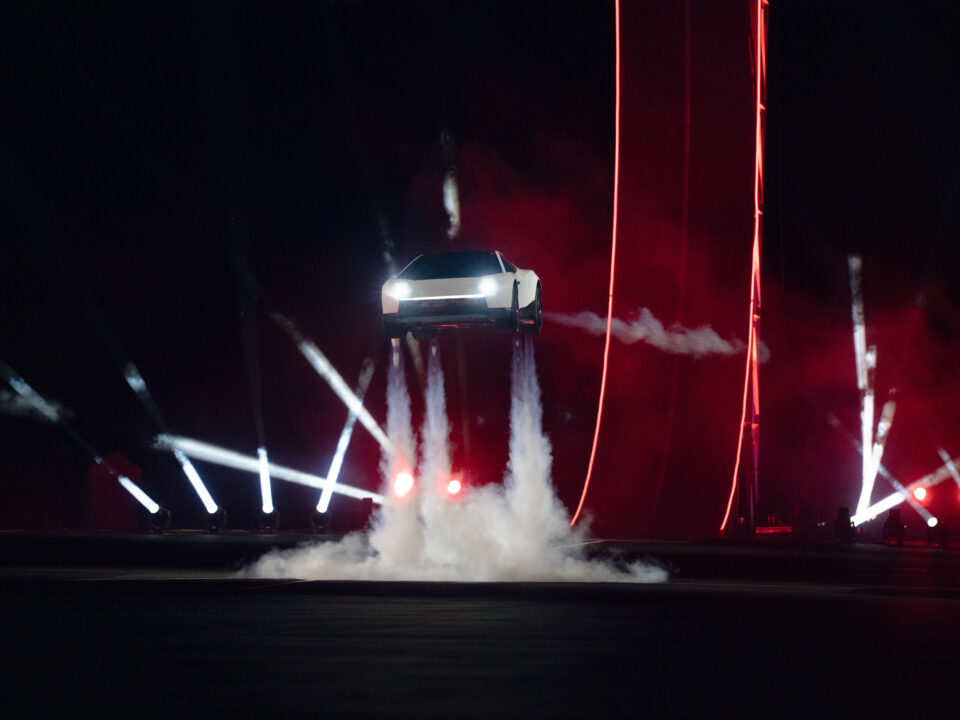
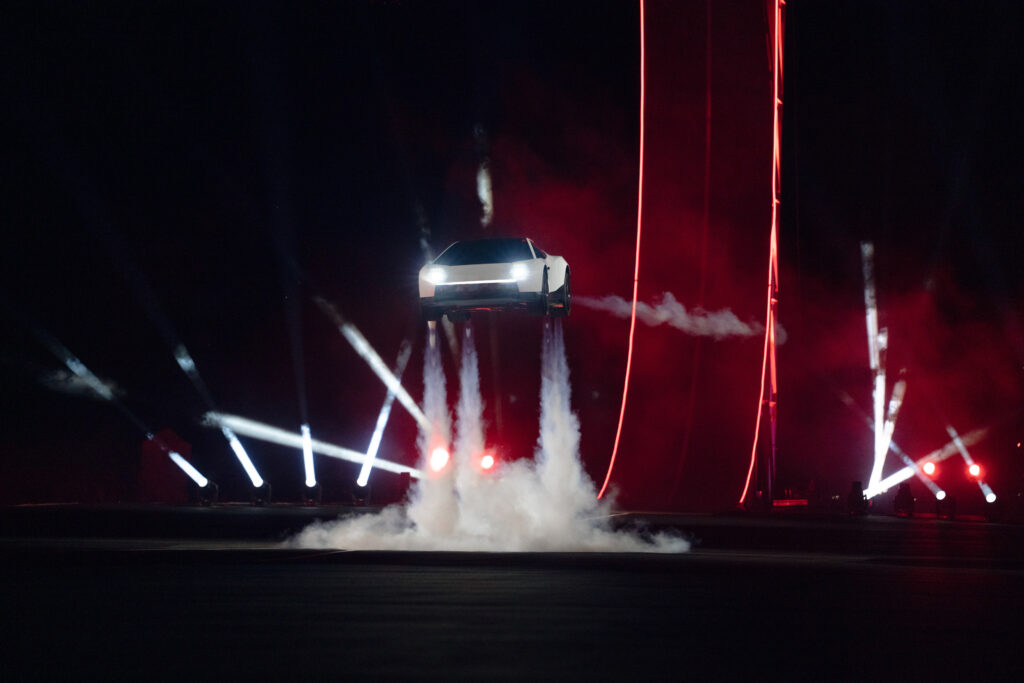
While there is a proven growing appetite for slower travel and decarbonised transport options, some commentators have questioned the efforts to establish a direct British-German rail link. The BBC notes that “Passengers can travel between the UK and German capitals in about 10 hours, changing in Brussels and Cologne,” while travel expert Simon Calder, writing in The Independent mocked the idea of direct trains from the UK to Germany running by 2030, saying “London to Berlin, a journey of at least nine hours? Allow me to present an equally likely transport goal for the next five years: “Personal jetpacks for all.”
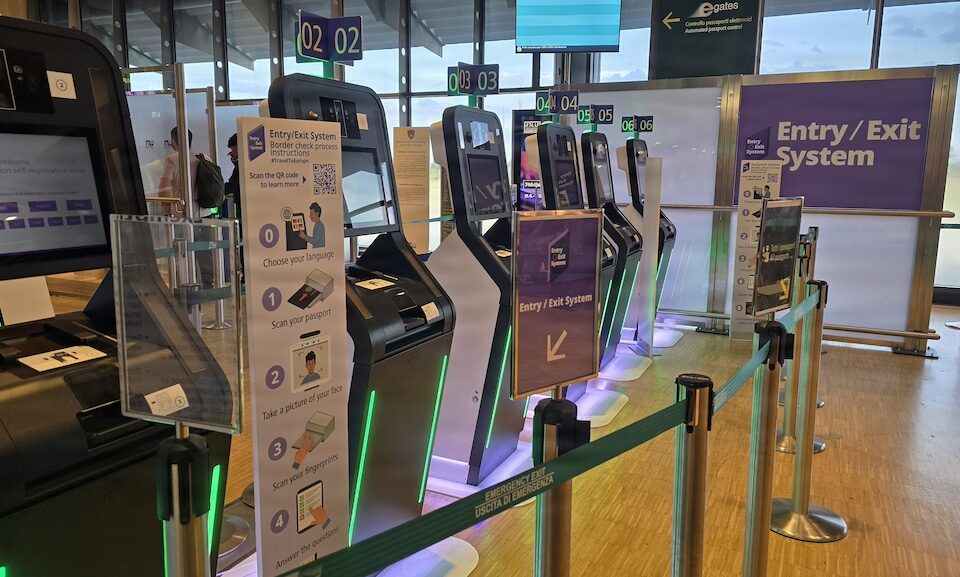
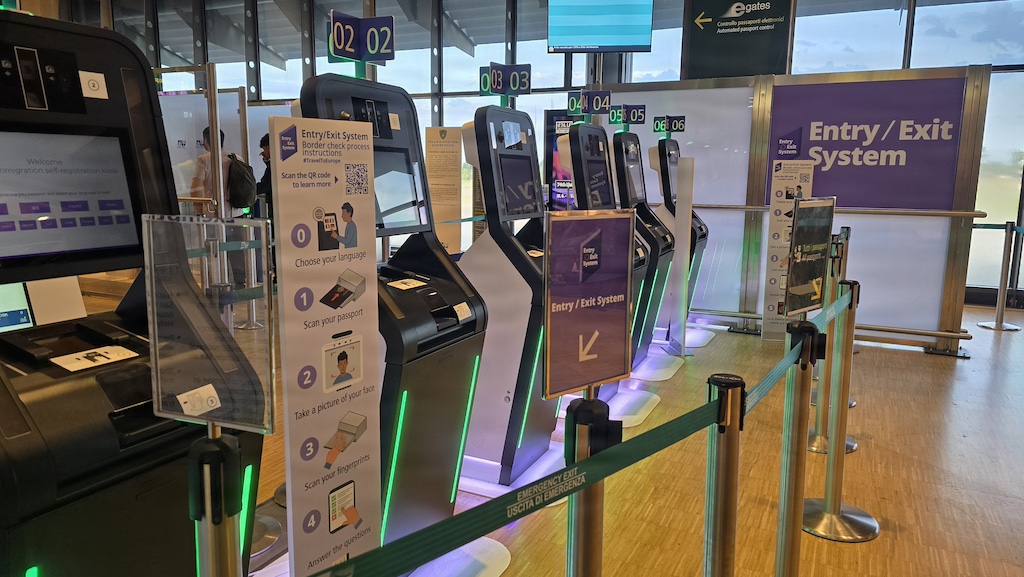
But rail transport was not the only item on the treaty’s agenda. It will also enable UK air passengers to use Germany’s e-gates, address people smuggling routes that allegedly bring immigrants to the UK via small boats, as well as driving over £200 million (€230 million) of investment in the UK, 600 new jobs, and a UK-Germany Business Forum. Joint national security developments were also on the table, including co-produced military equipment exports designed to support Ukraine’s defence.