The United Kingdom and Germany have signed an historic treaty for the first time since World War II, in a move intended to reflect the “friendship” between the two countries, enhance their “freedom, security and prosperity” and bring “our young generations closer together,” in the words of the German Chancellor Friedrich Merz.
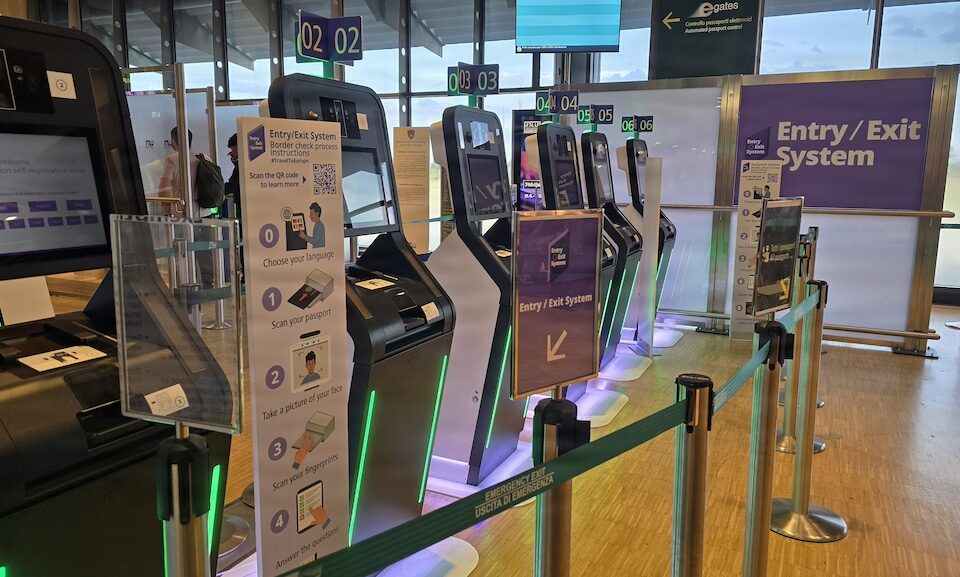
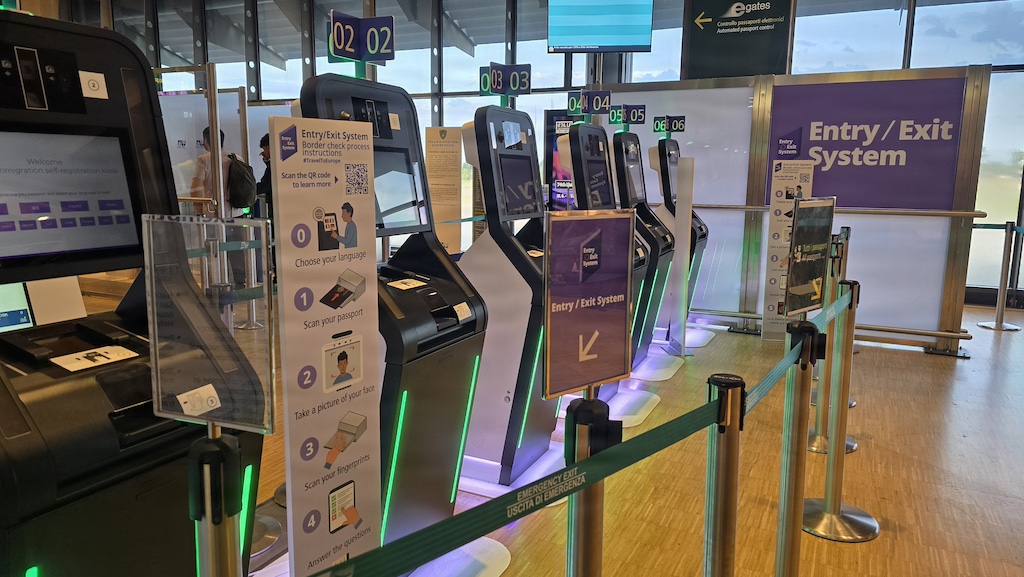
Described as a “first-of-its-kind”, the agreement will enable frequent travellers and those with family ties in Germany to use e-gates on arrival by August 2025. All UK travellers will be allowed to use them “as soon as technically possible” and commentators interpret that to mean by October, when the EU’s new entry/exit system (EES) comes into play, gathering biometric data on arrivals from non-EU countries – which the UK chose to become when it voted for Brexit.
EasyPass
To join Germany’s e-gate “EasyPass” system, UK citizens must sign up, which entails using normal passport control and then attending a police interview. Once the registration process is complete, the e-gates then become accessible for use on future visits.
Nearly a decade on from the seismic referendum that took the UK out of the EU, opinion polls show that a majority of Brits is now firmly in favour of rejoining the bloc and Prime Minister Keir Starmer is gently edging the nation closer to its European neighbours again.
The German e-gate development is being hailed as a victory that will ease travel woes for Brits who since Brexit have often found themselves stuck in long passport queues. But travel expert Simon Calder, writing in The Independent, points out that, for British citizens, the treaty is not the panacea it seems.
Will it make any difference?
Unless one is an EU passport holder, one will still be required to go to border control beyond the e-gates where German officials will check passports for compliance with validity rules. Passports must generally have been issued less than 10 years before arrival and have at least 3 months of validity remaining on the day of departure.
In addition, Brits, like other third country nationals are not permitted to have spent more than 90 days in the past 180 days within the Schengen area. Not only will documents be checked for all that, but German authorities will also question arrivals and, only if satisfied with the answers, provide an entry (or exit) stamp.
New rail links and improved educational and scientific cooperation
Still, the new British-German treaty promises more than just e-gate use. A new rail link to Germany could emerge thanks to the planned removal of barriers to direct international services within the next 10 years, aided by a team tasked with establishing “juxtaposed” border controls like those in place for current Eurostar journeys.
The pact should also establish visa-free school group travel by the end of 2025, and address “challenges faced by educational and scientific institutions, cultural bodies and political organisations.”
One of the ways in which Starmer is getting rabid Brexiteers to be more accepting of these closer ties is by including action on irregular migration to the UK in his negotiations with other EU leaders. For years anti-EU sentiment has been stoked by Eurosceptics who blame so-called “illegal” migrants on the EU (despite the fact that the “small boats” Channel crossing attempts have only increased since Brexit). Germany is set to criminalise the “facilitation of irregular migration to the UK” before the year is out.