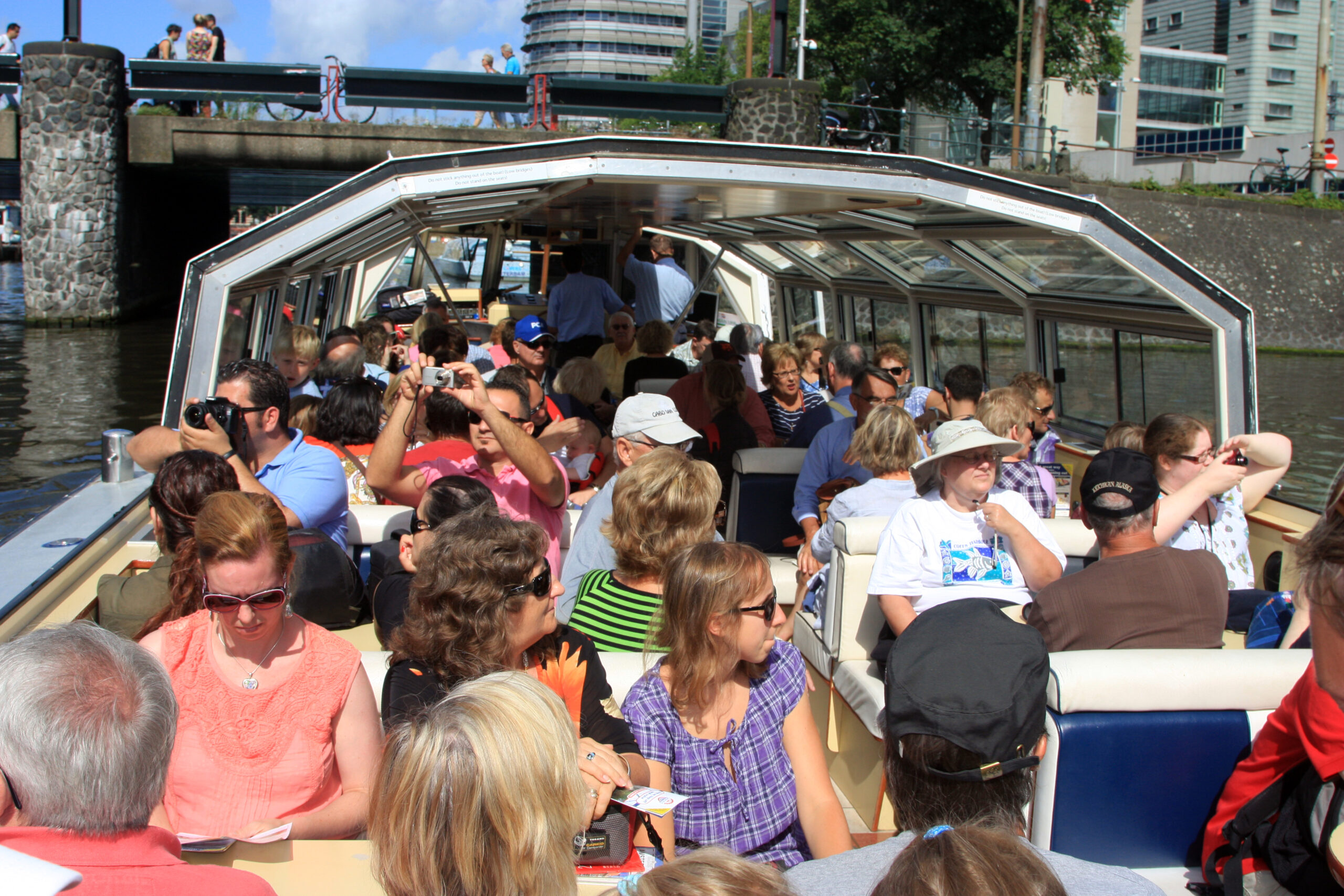


Unlike many European cities struggling with overtourism, Amsterdam was one of the first to impose a cap on tourist overnight stays. However, enforcing this limit has proven much more difficult than anticipated, and locals say they have had enough.
For the third year in a row, the 20-million mark has been exceeded. In response, Amsterdam Heeft een Keuze (‘Amsterdam Has a Choice’), a grassroots activist group supported by 12 local residents’ organisations, has initiated legal proceedings. They claim the authorities are failing to enforce their own rules and are pushing the city towards tourist overload.
Last week, the city council was formally served with a 26-page summons. The lawsuit has been financed by donations totalling around €50,000, €30,000 of which came from Alexander Klöpping, the founder of the digital publishing service Blendle. He told Het Parool, he finds it “outrageous that the municipality makes an agreement supported by 30,000 residents who signed a petition, and then fails to stick to it”.
The plaintiffs are calling for strict enforcement of the overnight-stay cap, an increase in tourist tax, and new measures to discourage ‘nuisance tourism’.
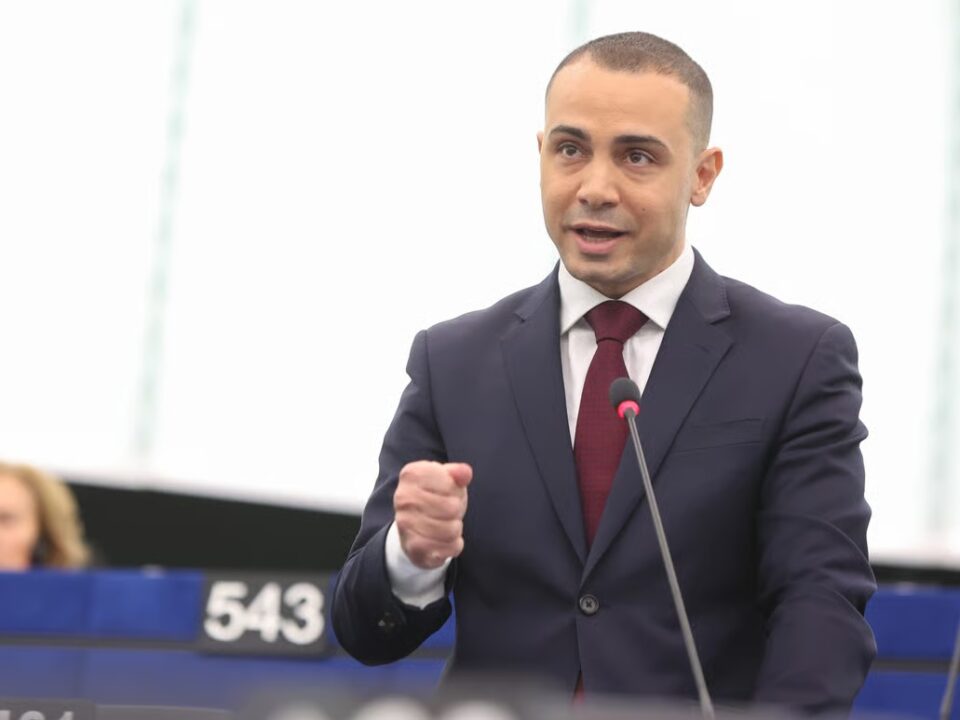
Deputy mayor for economic affairs Sofyan Mbarki acknowledged residents’ anger but said solutions would take time. He pointed to steps already taken – raising the tourist tax, freezing new hotels, halving cruises and banning holiday rentals in hard-hit areas – before adding there is “unfortunately, no magic button we can press to solve everything at once,” he added, “Tackling tourism takes perseverance”.
Amsterdam famously hosts the Rijksmuseum and the Van Gogh Museum, but art is far from the city’s only attraction. Thanks to its liberal drug laws, famous coffee shops, pub crawls and the no less famous Red Light District, the city made its name as a haven for stag parties – and any other kind of party, for that matter. It will be difficult to keep crowds away from such attractions.
The city has been trying for the last five years, though, with a series of measures. In 2020, officials curbed tourist businesses and tightened short-term rental rules; in 2021, they introduced the 20-million cap, sought to reduce souvenir shops and imposed a moratorium on new hotels; tourist taxes were later raised to 12.5% of the room rate – the highest in Europe.
In 2023, Amsterdam launched its controversial ‘Stay Away’ campaign, aimed at deterring young British partygoers. This cut UK numbers, but overall tourism still grew. Meanwhile, cruises were halved, and the city has most recently begun trialling AI travel tools to steer visitors to less crowded sites.
Despite this patchwork of measures, the upward trend continues. In 2024, Amsterdam recorded 22.9 million overnight stays – 3% more than in 2023 – and forecasts for 2025 range between 23 and 26 million.
Jasper van Dijk, one of the plaintiffs, argues that overnight stays have been exceeding the agreed limit for the last three years without the municipality taking effective measures. Amsterdam could use the significant additional revenue from the increased tourist tax to buy properties to help with the housing shortage or to rid the city of the street litter created in part by mass tourism.
Mbarki has promised a new package of measures by 1 December. The council is also examining the 26.7 million day trippers who visited the city last year and plans to reduce those numbers, too.
Still, keeping crowds away from all the bounties the city has to offer is bound to be riddled with obstacles.