For years, Mato Grosso do Sul has stood as a benchmark for ecotourism in Brazil. Destinations like Bonito and the Pantanal have long captured the imagination of travellers seeking unique natural wonders and authentic cultural encounters. But the state’s success goes far beyond crystal-clear rivers and abundant wildlife — it’s grounded in a shared commitment that unites communities, conservationists, the tourism industry, and local government around a common vision of regeneration.
In the heart of Brazil, Mato Grosso do Sul is redefining what it means to travel responsibly. While destinations around the world struggle to balance growth with sustainability, this state stands as living proof that tourism can protect ecosystems, empower communities, and drive positive change, setting a new benchmark for Brazil and beyond. Here, nature still speaks the loudest, dictating the rhythm of tourism, as Colonel Ângelo Rabelo — founder and president of Instituto Homem Pantaneiro (IHP) and one of the Pantanal’s most devoted guardians — likes to say.
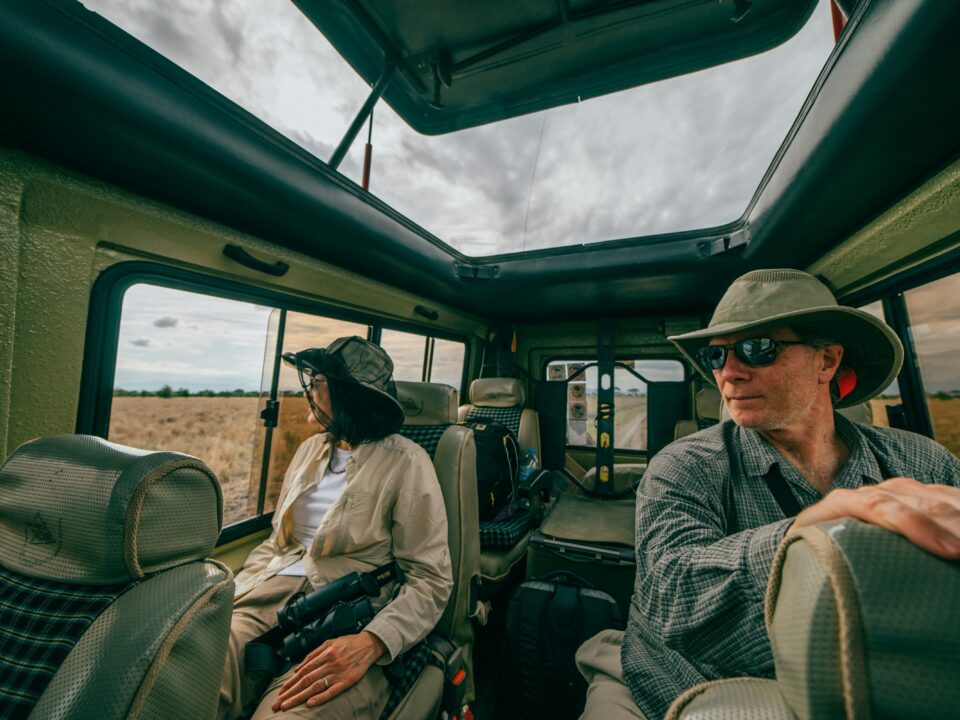
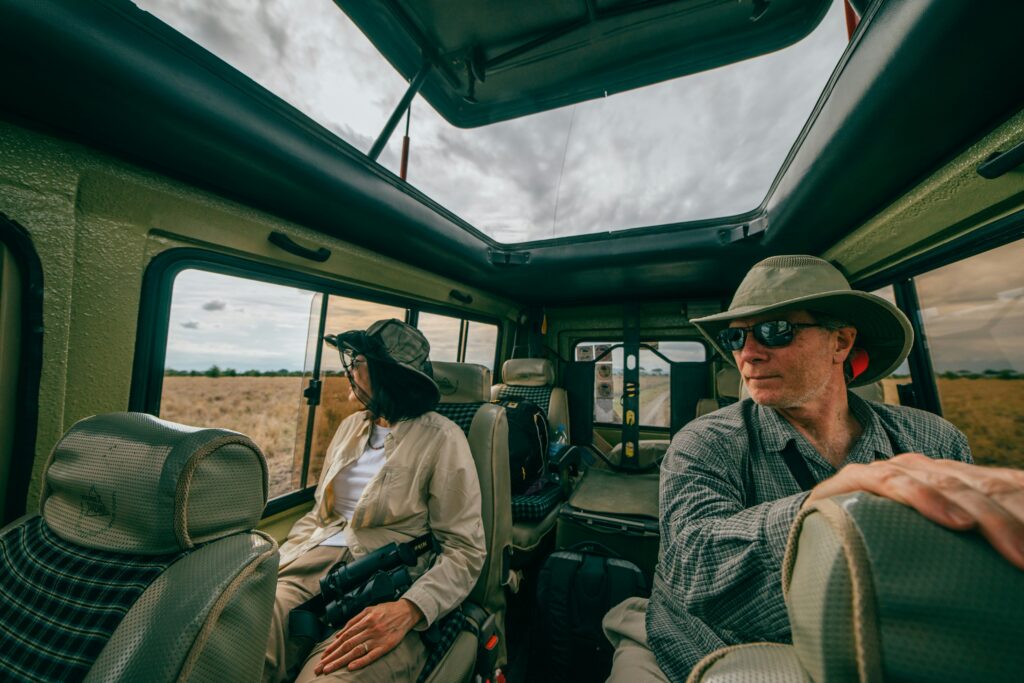
The Pantanal, home to the greatest concentration of protected species in Brazil, has become one of the world’s most sought-after safari destinations outside Africa. Here, travellers can spot jaguars, giant anteaters, tapirs, otters, caimans, and the elegant jabiru stork, the region’s iconic bird. Just a few hours away, Bonito and the Serra da Bodoquena region reveal another facet of this natural wonder: crystal-clear rivers brimming with fish, framed by lush forests, caves, sinkholes, waterfalls, and limestone formations. It’s a true paradise for adventurers and families alike.
Beyond their beauty, these landscapes are safeguarded by pioneering conservation initiatives that integrate conservation into tourism, fostering environmental education and visitor engagement. Notable examples include the Onçafari Association, which works to protect biodiversity with a focus on jaguars and maned wolves, and the Arara Azul Institute, dedicated to conserving the iconic hyacinth macaw. Both organisations have achieved remarkable success in recovering and expanding these species’ populations, proving that tourism, when done responsibly, can be a powerful ally for conservation.
Mato Grosso do Sul’s leadership in responsible tourism extends from on-the-ground initiatives to public policy. One of the first destinations to sign the Glasgow Declaration on Climate Action in Tourism, the state’s Tourism Foundation (Visit Mato Grosso do Sul) has adopted an ambitious climate and regeneration agenda. A signatory of the One Planet Network, the foundation launched its strategy with the decarbonization and certification of Bonito, recognised by Green Initiative as the world’s first carbon-neutral ecotourism destination. This roadmap is now being scaled statewide, aligned with the State Climate Change Program (PROCLIMA), and aiming for a carbon-neutral Mato Grosso do Sul by 2030.
“The climate emergency is our reality. For the tourism industry, taking initiative on this front is no longer a choice,” says Bruno Wendling, president of the Mato Grosso do Sul Tourism Foundation. “For decades, our sector has portrayed itself as low-impact, and that’s exactly what travelers now expect. Companies and destinations must adapt by embracing the climate agenda, regenerative and responsible tourism, and public policies that steer territories toward sustainable development. Otherwise, they risk being left behind by committed tour operators and travelers who seek destinations that genuinely protect their natural resources and cultures.”
Bonito, often described as the birthplace of Brazil’s ecotourism, has always been ahead of its time. Much of that progress stems from the passion and persistence of local entrepreneurs who understood early on that protecting nature was the only path to ensuring the future of tourism. Over the years, the private sector has taken the lead, improving waste management, adopting circular economy models, and designing experiences that give back more than they take. A standout example is the Rio da Prata Group, which manages three of Bonito’s most iconic attractions and has earned international recognition for its regenerative practices and positive climate certification.
Beyond its natural wonders, Mato Grosso do Sul recognises that valuing culture and people is an essential part of responsible tourism. In recent years, the state has made significant progress in advancing diversity, inclusion, and accessibility. Visit Mato Grosso do Sul launched an LGBT+ tourism seal, accompanied by awareness campaigns, training programs, and event support, reflecting a genuinely open and welcoming approach to all travellers.
Afro-centred and Indigenous tourism are also gaining visibility as part of this movement. In early 2025, the state hosted the 1st Mato Grosso do Sul Afrotourism Conference, marking the launch of the brand ‘This Is Mato Grosso do Sul – Afrotourism.’ Along the Pantanal route, Bela Oyá Pantanal, the state’s first Afrotourism agency, has developed a vibrant program that celebrates the stories, communities, and cultural heritage that bring destinations like Corumbá to life.
“Mato Grosso do Sul has been showing the world that it offers truly unique travel experiences. The state is firmly committed to the climate agenda and aims to become Brazil’s first carbon-neutral state,” says Bruno Wendling. “It’s a destination that carefully manages its tourism offer and carrying capacity, delivering exceptional added value to travelers through its nature, ecotourism, culture, and gastronomy.”
This vision is now reaching global audiences. From 29 October to 2 November, Embratur, the Brazilian Tourist Board, will spotlight the Pantanal in New York at the Visit Brasil Gallery, showcasing the state’s natural and cultural richness. Those following from afar can tune in to the “Sounds of Mato Grosso do Sul”, the new Spotify playlist curated by Visit MS — an audible journey through the rhythms, stories, and soul of a destination where tourism truly gives back to nature and people.