

The physical effects of air travel on the human body can range from mildly uncomfortable to life-threatening. With more and more people flying every year, experts are explaining how to avoid some of the stressors that air passengers experience.
Leg edema
Leg edema, or swollen ankles or lower legs, is caused by fluid build-up in the body, and is very common, occurring in around 97% of long-haul flyers (journeys over seven hours), according to a May 2021 clinical trial review.
It is remaining sedentary for long periods that reduces blood flow to the legs, so this side-effect of flying can be minimised by simply moving around during flights, finding regular opportunities to walk around the plane, and to keep ankles mobile, and raise and lower toes and lower legs, even when sitting. Many aircraft configured for long-haul flights now provide wellness areas for passengers to get their steps and movement in.
DVT (Deep Vein Thrombosis)
Blood clots can break off and travel through the bloodstream, causing deep vein blockages or pulmonary embolism, which can be fatal.
Stay aware of how tight clothing or jewellery feels, whether any swelling is one-sided, or stays indented when pressed, and of temperature levels. Some people at high risk of blood clots are recommended to try compression socks, and all flyers should keep an eye out for blood clot symptoms, such as swelling in only one limb, shortness of breath, and chest pain.
If a blood clot is suspected, immediate medical attention should be sought.
Ear popping
Babies are often heard crying on descent and ascent phases of flights, and this is to do with the way human bodies regulate pressure through the ears, which is easier for adults to manage.
Dr Asimah Hanif, a general practitioner with the United Kingdom’s NHS GP, has worked with travel insurance provider Staysure to raise awareness of common health issues that can be triggered by flying, and to share tips on how to minimise them. “Ear popping is quite common and is caused by changes in the cabin pressure which affects something called the eustachian tube,” Hanif explains.
As pressure changes within an aircraft cabin, the eustachian tube, connecting the middle ear to the throat, tries to balance the ear pressure by draining fluid and drawing air. Blockages and pain from the stretched or flattened eardrum can be felt by anyone on a flight as a result of this process, but adults can try frequent swallowing, yawning, and chewing to help relieve the discomfort.
For stubborn cases, Hanif suggests gently trying the Valsalva maneuver “where you take a breath, close your mouth, pinch your nose and then gently blow out.” This can help to make the ears “pop,” alleviating the feeling of fullness.
Ear pressure, discomfort, and residual tinnitus from air travel should resolve within 24 hours of flying, so if it does not, a doctor’s visit should be the next step.

Headaches
Headaches are not an unusual aspect of flying and can be caused by the reduced oxygen in the cabin, pressure changes affecting the sinuses, as well as other factors that tend to occur during travel, such as disturbed sleep and stress.
While not all of these are in flyers’ control, a top culprit for headaches is dehydration, and drinking plenty of water is something all passengers can do. Hanif says that aside from doing everything possible to avoid colds and promote health before your departure date, staying hydrated, and avoiding alcohol and coffee during flights, can make a real difference.
Dry skin, dry eyes, a cough
“Cabin air has low humidity compared with normal indoor environments which can increase fluid loss and contribute to dehydration,” explains Hanif. “That’s why people often find that they get dry eyes, dry skin and even a dry airway that can lead to a tickly cough.”
Again, staying hydrated is the answer here and eye drops, topical creams, or balms can help with the symptoms of dryness. Avoiding creams with strong fragrances is a courtesy to other flyers.
Dizziness or light-headedness
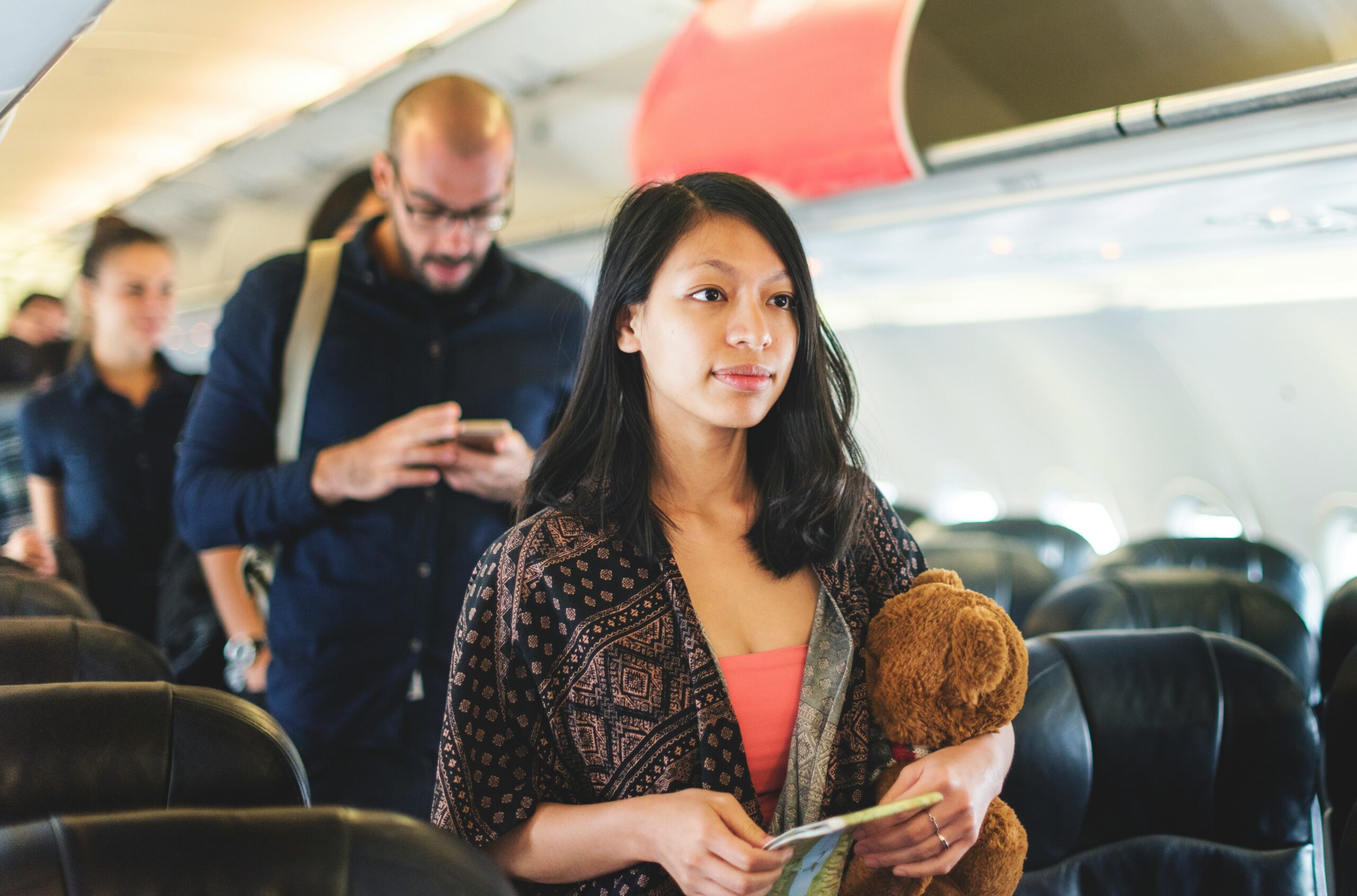
While these symptoms can also come from dehydration, fatigue, or even too much alcohol, dizziness and light-headedness can also be caused by anxiety, which for some people can be an unwelcome companion on a daily basis, let alone during travel and flights.
Some airlines offer services to acclimatise and assist anxious flyers, which could provide benefits here. Unless prescribed by a doctor, avoid self-medication with alcohol or drugs, which can make matters worse. Move slowly and cautiously on board to prevent falls and injury.