It is arguably one of the least visited of Belgium’s ten provinces, but lovely Limburg is well worth discovering.
The area was devastated economically just over a decade ago when the giant Ford car factory closed, resulting in the loss of more than 10,000 jobs. Limburg was forced to reinvent itself – and it has done so remarkably well, with its provincial capital, Hasselt, now showcasing the best of the region.
While the city once suffered the fallout of that crushing economic blow, this clean and pleasant destination has emerged as a flagship of entrepreneurial spirit and endeavour.
Guided tours
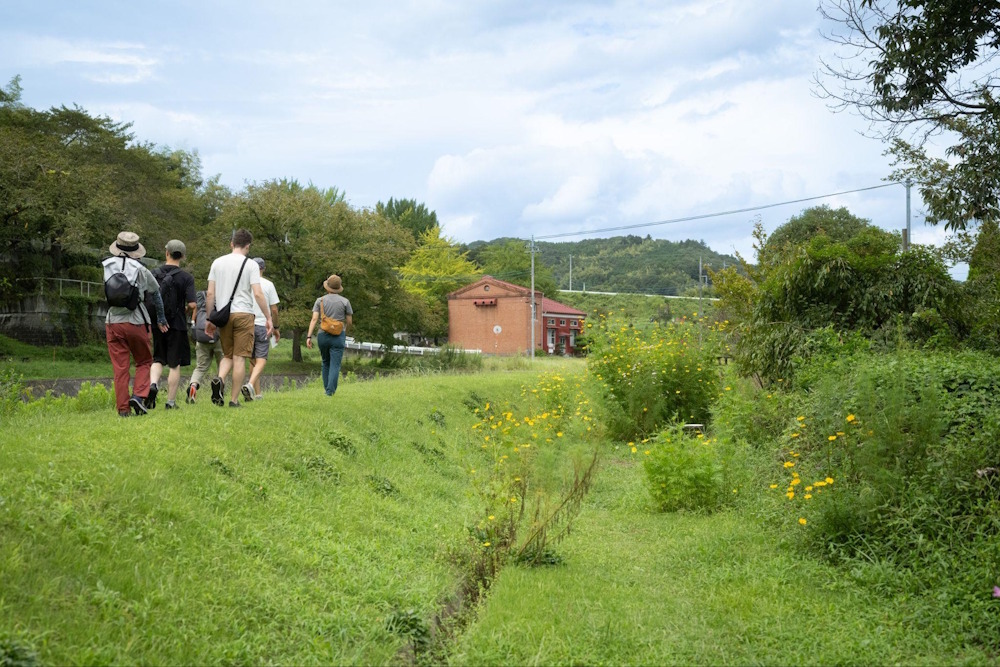
A good way to begin exploring and to hear about Hasselt’s impressive history is by joining a guided tour. Few do it better than local chemistry teacher Kristof Van Verde, whose knowledge of the city and its surroundings is second to none.
The 44-year-old first explains why, in his opinion, most visitors come to Hasselt and its environs: for a local historic abbey; for the European recognised regional product, Jenever (without which there would be no gin); and for the cycling. Even if you only come for one or two of these, Hasselt is worth the trip.
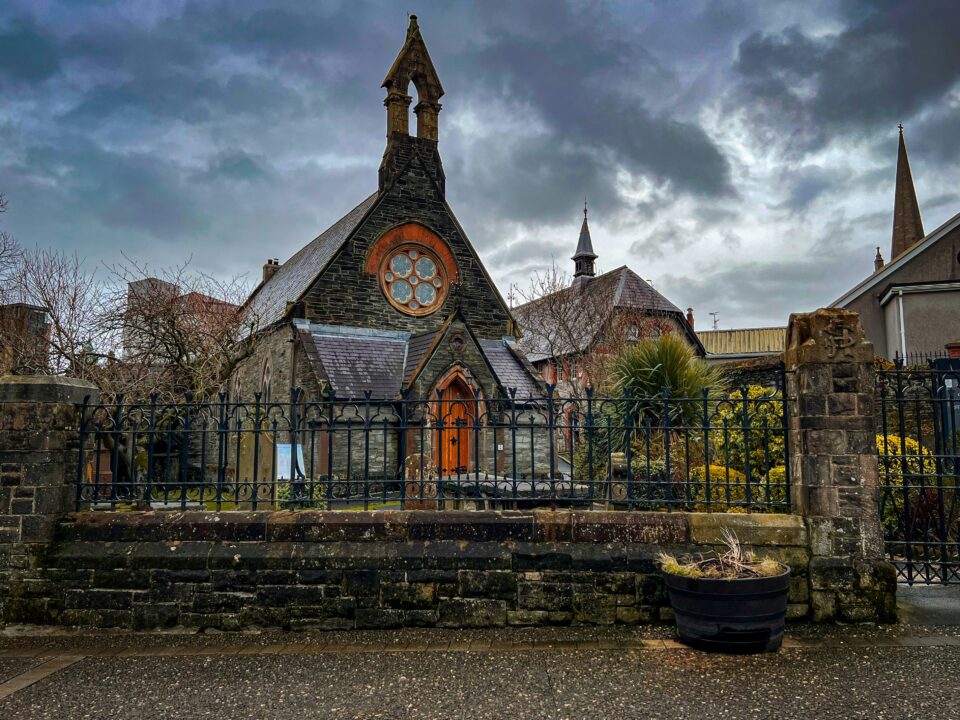
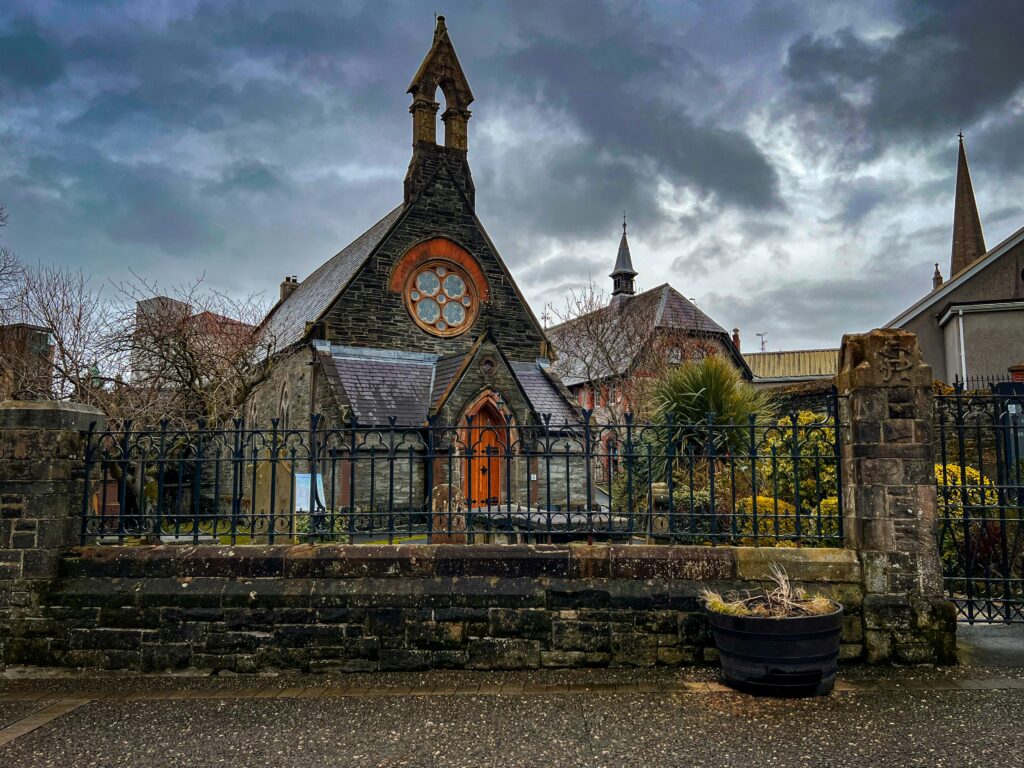
Back in the 14th century, only around 500 people lived in Hasselt. Today, the population is around 80,000. Over the centuries, the Virga Jesse Basilica on Kapelstraat has remained the city’s most important place of worship. Here stands a statue that is paraded through the city every seven years as part of an ancient tradition linked to a miracle that took place here. The next parade is some years away, as the last one was held just last year.
Kristof skilfully recounts the history of this marvellous church, as well as the story behind the Genever Festival, held on the third weekend of October and attracting up to 30,000 people. Genever even has a museum of its own, where visitors can enjoy a tasting. Kristof also explains why the drinking still has to stop by 8 pm on festival days, and shares the fascinating background of the strong beers for which Belgium is so famous.
One of the most striking things about this compact city – its centre is just 800 metres across, almost entirely traffic-free, and easily explored on foot – is the clever and colourful street art. Hasselt boasts more than 100 graffiti and street art works by some of the best national and international artists. Look out for ROA’s giant owl across the water, and just a little further along, you’ll also find the world’s largest QR code.
Your guide will lead you through the different themes as you meander around the centre, whose beating heart is the Grote Markt, where daily life unfolds. Piet Stockmans’ Waterpad (The Water Path) adds an artistic touch to the square, and from here you can listen to the carillon.
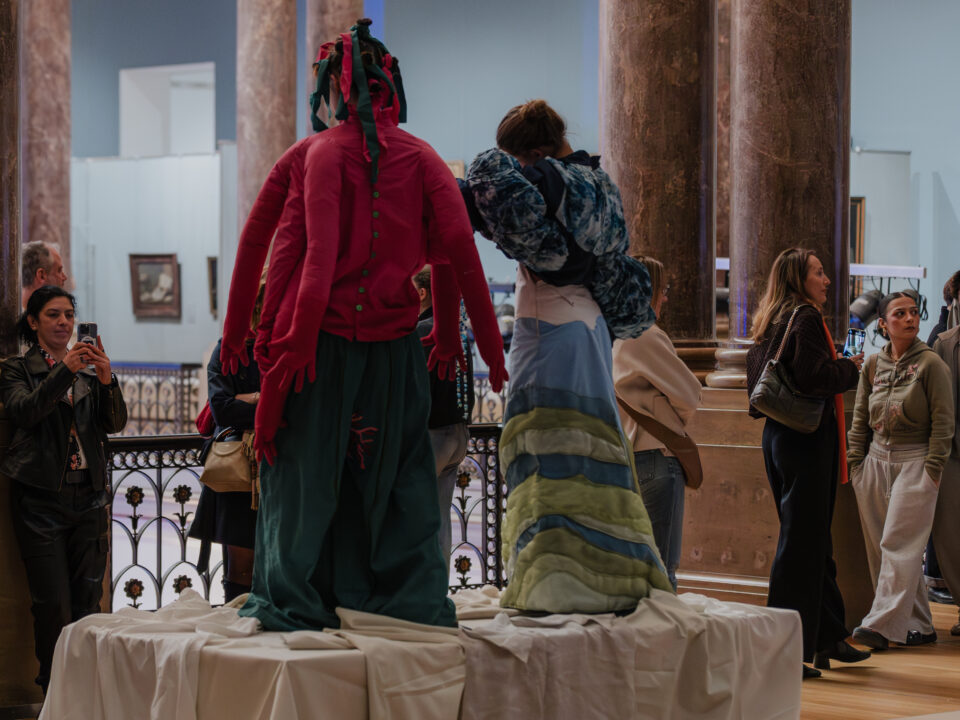
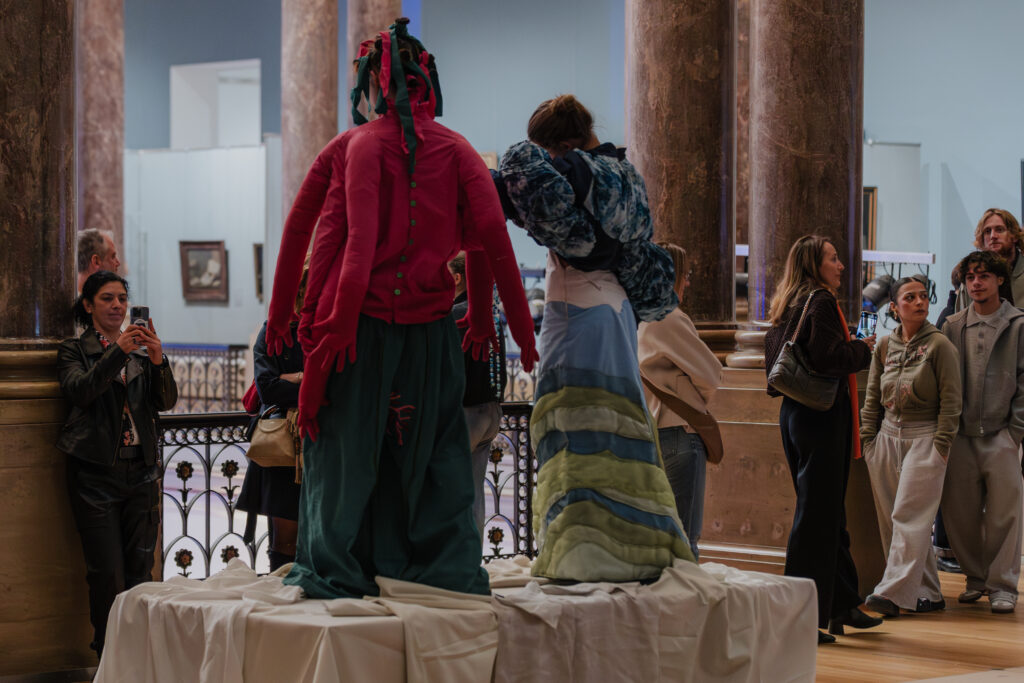
Other central highlights include the fashion museum, housed in a century-old abbey and telling the story of Limburg’s once thriving textile industry, and the Japanese Garden. Spanning 2.5 hectares, it is said to be the largest of its kind in Europe, offering a leisurely stroll in a Zen-like setting.
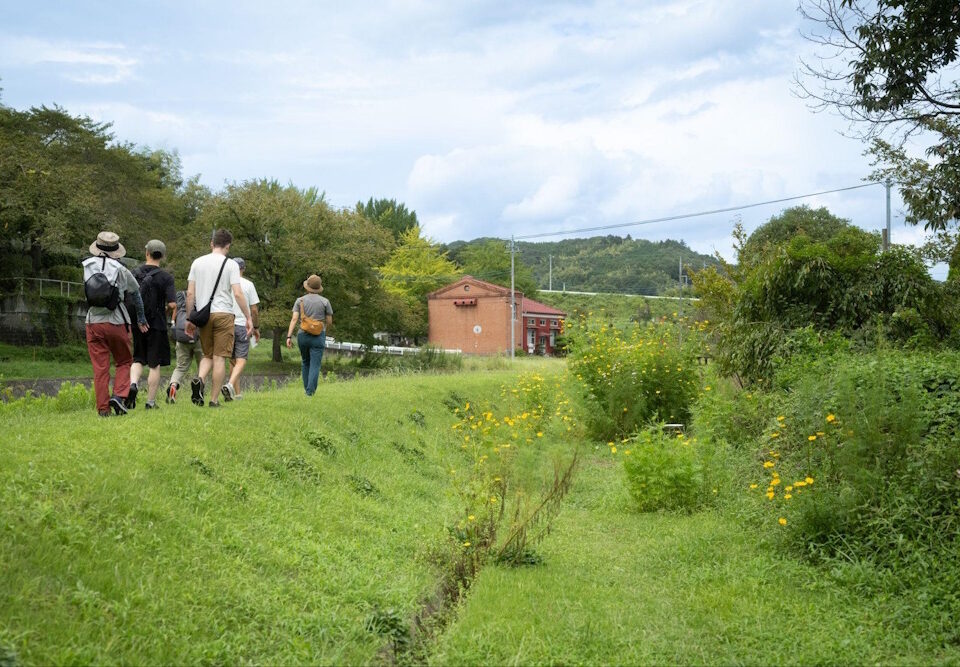
Just outside town is Herkenrode Abbey, one of the three major local attractions Kristof recommends. Once the richest women’s convent in the Low Countries, today it is an “experience centre” set within 100 hectares of green landscape. The abbey was nearly transformed into a factory and stables, but thanks partly to the Flanders Heritage Foundation, it has been brought back to life. Two local artists are currently working to rebuild an on-site church that burned down many years ago. British visitors may be intrigued to learn that some of the abbey’s beautiful stained glass windows, once sold at auction to industrialists, now adorn Lichfield Cathedral near Birmingham.
Capital of good taste
For years, Hasselt has been known as the “capital of good taste”, a reputation based on its food and fashion.
A fine example of its culinary tradition is De Boulevard, which has recently refreshed its menu with a cinematic theme, offering dishes under headings such as “Classiques du Cinéma” and “Sunset Boulevard”. Open from breakfast until late (though the kitchen closes at 9.30 pm), it serves both hotel guests and visitors. The imaginative “Friends and Famous” menu features Belgian classics such as carpaccio, croquettes, carbonnades and steak tartare. Almost everything, including the soups, is homemade.
The restaurant’s Belgian head chef, Marc Du Pont, sous chef Eddy Sallaerts, and attentive staff, such as Pascal, ensure a warm welcome. Seating 120 indoors, it also boasts a terrace for up to 100 guests – perfect for an alfresco drink or aperitif.
Hasselt’s culinary excellence is widely recognised: local businesses won five of the eleven prizes at the Belgian Vegan Awards.

Where to stay
De Boulevard sits on the ground floor of the Holiday Inn, an ideal base in the city centre with the added convenience of a large underground car park. Its general manager, Patrik Roosenboom, also oversees the nearby 89-room Holiday Inn Express.
Having arrived a couple of years ago, Patrik brings a wealth of hospitality experience, while many of the staff have been at the hotel much longer – always a positive sign in the fast-changing horeca industry. He explains how Hasselt was forced to evolve after the Ford factory closure and how the local economy has diversified, attracting a mix of businesses.

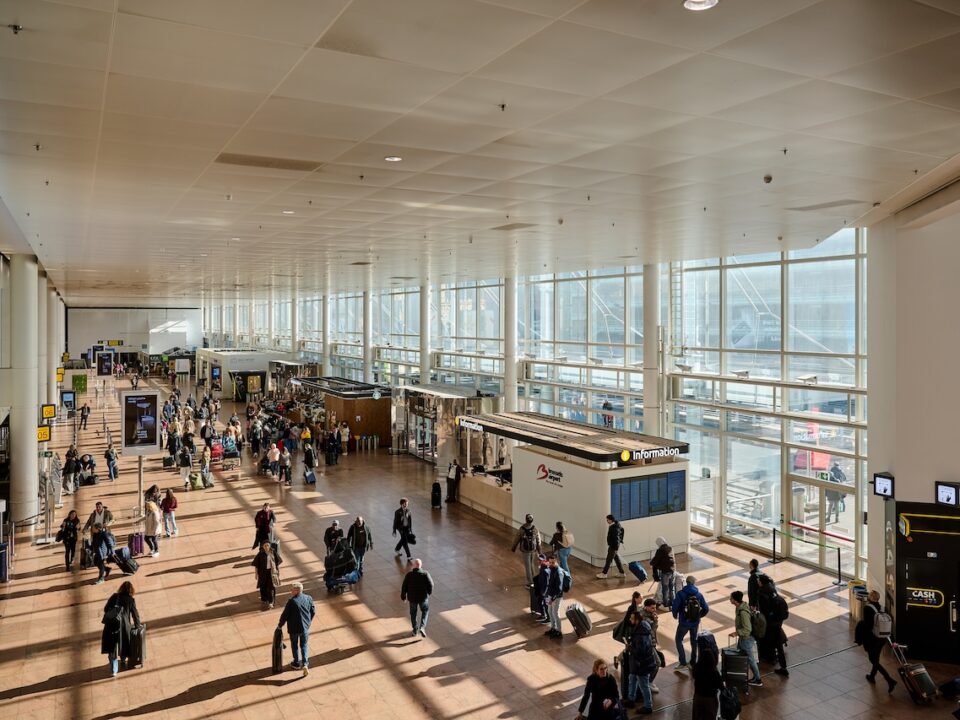
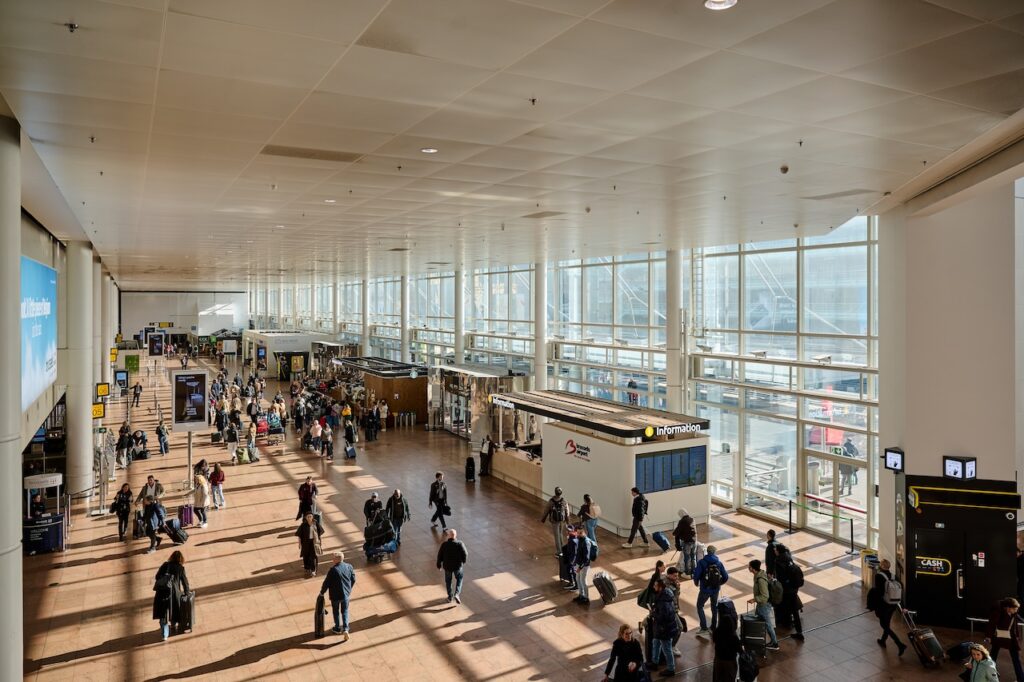
The hotel, with its 108 rooms and five meeting spaces, benefits from corporate trade during the week, while at weekends tourists and leisure visitors fill most of the rooms. Travel time from Brussels Airport can be comparable to that from the airport to central Brussels itself – another reason Hasselt is increasingly popular.
Patrik describes the hotel’s “vibe” as calm and relaxed, reflecting Hasselt’s agreeable pace of life. It is also exceptionally pet-friendly: if you arrive with a dog, staff will immediately offer water and a biscuit. Families are also well catered for, with tastefully decorated connecting rooms.
Opened 35 years ago as Hasselt’s first internationally branded hotel, the Holiday Inn remains a benchmark of quality, with customer satisfaction ratings for cleanliness exceeding 90%. Patrik, who celebrates 20 years in the hospitality industry this October, continues to raise standards.

Café culture
Before leaving Hasselt, make time for Marlo’s, a small café that opened seven years ago and has become one of the city’s trendiest spots. The café serves global dishes, from Mexican to Asian, as well as an “all-day breakfast” menu – even in the middle of the afternoon. (It closes at 5 pm on weekdays and 7 pm on Saturdays.)
@sandrinexplores Marloo’s Hasselt #marloos #hasselt #hotspot #brunch #brunchtok #hotspotshasselt #pancakes #blueberrypancake #blueberry #homemade #homemadefood #homemadepancakes #homemadeicetea #cocktail #brunchtime #dateideas #date #brunchdate #hasseltcentrum #hasseltbelgium #findinghotspots #belgiumhotspots #fy #fyp #voorjou #voorjoupagina #belgietiktok #belned #nederlandsetiktokkers #marloo #thathotspotgirl #lunch #lunchideas #fypシ #viral ♬ As It Was – Harry Styles
HasPas
One of the best ways to experience Hasselt is through the HasPas, a discount card that offers access to local hotspots, trendy shops and coffee bars. It also provides reduced price admission to numerous museums, including the Jenever Museum, Fashion Museum, Japanese Garden and Herkenrode Abbey. Available from Visit Hasselt, it can also be combined with bike rental, making it easy to explore Kristof’s third “must do” – cycling.
Hasselt is the perfect base from which to discover the wider Limburg region. Visit Hasselt has even developed four new cycling routes connecting the city to attractions such as Alden Biesen and C-Mine in Genk.
Soon the city will once again draw young visitors from across Belgium and beyond, as the annual four-day Pukkelpop festival returns, featuring international headliners and rising stars alike.
So there you have it – Hasselt, the ideal destination for a happy holiday.