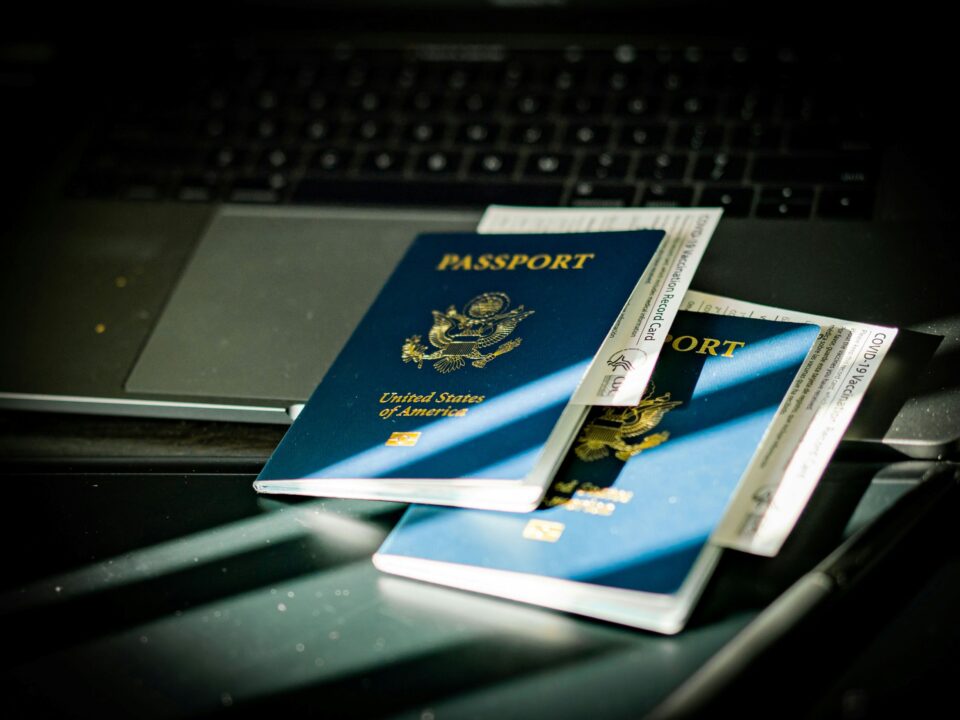
Indonesian authorities have established new, random checkpoints across Bali to enforce local laws and prevent unruly tourists from breaking them. The measure comes following months of complaints from locals about misbehaviour.
The new police force, the Bali Immigration Patrol Task Force, or Satgas, has been deployed to conduct these spot checks. Comprising 100 officers on motorcycles and in cars, the task force operates across ten of the island’s busiest tourist areas. These include Canggu, Seminyak, Kerobokan, Ubud, Kuta, Sanur, Benoa, Jimbaran, Nusa Dua, and the popular surfing beaches of Uluwatu and Bingin.
The task force works in cooperation with the military, the police, law-and-order agencies and Bali’s customary security officials, known as pecalang. Officers are easily recognisable in navy or black uniforms marked ‘Immigration’ and are equipped with body cameras.
Excessive tourism, fuelled by the post-COVID boom, seems to be driving the surge in unruly behaviour.
Ida Bagus Raka Suadarna, a professor of economics and business at the University of National Education in Denpasar, told This Week in Asia that “current law enforcement agencies are not yet effective… The task force has special duties and funds, and new efforts will be made to specifically monitor foreign tourists”.
Under the new policy, officers are authorised to stop foreigners anywhere – on the roads, on the beaches or at checkpoints – and demand to see passports or stay permits (KITAS). This measure was introduced on the orders of President Prabowo Subianto, with Immigration Minister Agus Andrianto saying that it was intended to “ensure stability and security in Bali, one of Indonesia’s top tourist destinations”.
Videos shared by the Ngurah Rai Immigration Office show officers stopping tourists and reprimanding them for not carrying passports or permits. At the time of writing, no fines had yet been issued.
Salah satu peran penting petugas keimigrasian di lapangan adalah melakukan random check terhadap WNA di Bali, khususnya di wilayah kerja Kantor Imigrasi Ngurah Rai. Pemeriksaan ini bertujuan untuk memastikan setiap WNA mematuhi aturan dan tertib administrasi keimigrasian pic.twitter.com/L3AlRzHD8X
— Imigrasi Ngurah Rai (@imngurahrai) August 22, 2025
The initiative is also a direct response to growing concerns about foreigners engaging in illegal business activities on the island. Visitors have been accused of subletting flats, running unlicensed guesthouses or boarding houses, and even renting out luxury villas without permits. Chusnunia Chalim, vice-chairwoman of the parliamentary commission that oversees tourism, has warned that such practices risk “increasing economic inequality and reducing the opportunities available to Balinese people in the tourism sector”.
The legal basis is clear: carrying immigration documents is mandatory under Law No. 6 (2011), and failure to do so can result in a fine under Article 116. Officers are also entitled to check whether tourists have paid the new IDR 150,000 (approximately €8.50) tourism levy, which was introduced in February.
The initiative has divided opinion. Some locals welcome it and would like to see spot checks extended to indoor spaces such as yoga studios and co-working hubs; others fear it could deter visitors and that the presence of uniformed officers could make tourists feel anxious.
As for the visitors themselves, one tourist commented under an official Instagram post that “carrying an actual passport around is ridiculous. It’s one of the most unsafe things to do, and 99% of people won’t be carrying one”.
Tourism is crucial for Indonesia. Last year, the country received nearly 14 million foreign tourists, generating US$16.7 billion, which accounts for around 4% of its GDP. Bali alone attracted 6.3 million visitors, which is more than its population of 4.3 million.