


Destination managers in Uppsala, Sweden, are taking a novel approach to promoting their region, with the launch of an “IQ Tourism” campaign to tap into personal growth and individual curiosity.
While some might argue that curiosity about the world is nothing new when it comes to driving travel, the rise of mass tourism as a checklist activity during the second half of the 20th century could be argued to have erased some of the joy of individual discovery and development that seeing the world can offer. More recently, possibly in a backlash to such a consumerist vision of the world, experiential tourism and the search for authentic, community-led, responsible travel have grown in popularity.
Feeding into that demand, stakeholders in Uppsala, in east-central Sweden, hope to showcase why the destination is the perfect place for travellers motivated by more holistic goals.
“We consider it a movement, with travel increasingly centred on meaning, context and new facets rather than simply experiences to check off a list. Uppsala has all the prerequisites to be a destination for this type of traveller,” says Helena Bovin, Head of Marketing at Destination Uppsala.
Less than an hour north of Stockholm, and possessing one of the most youthful populations in the country, Uppsala boasts “one of Europe’s oldest universities and a history of pioneering spirits,” press materials point out. This background, they argue, makes it the perfect place to experience IQ tourism, such as:
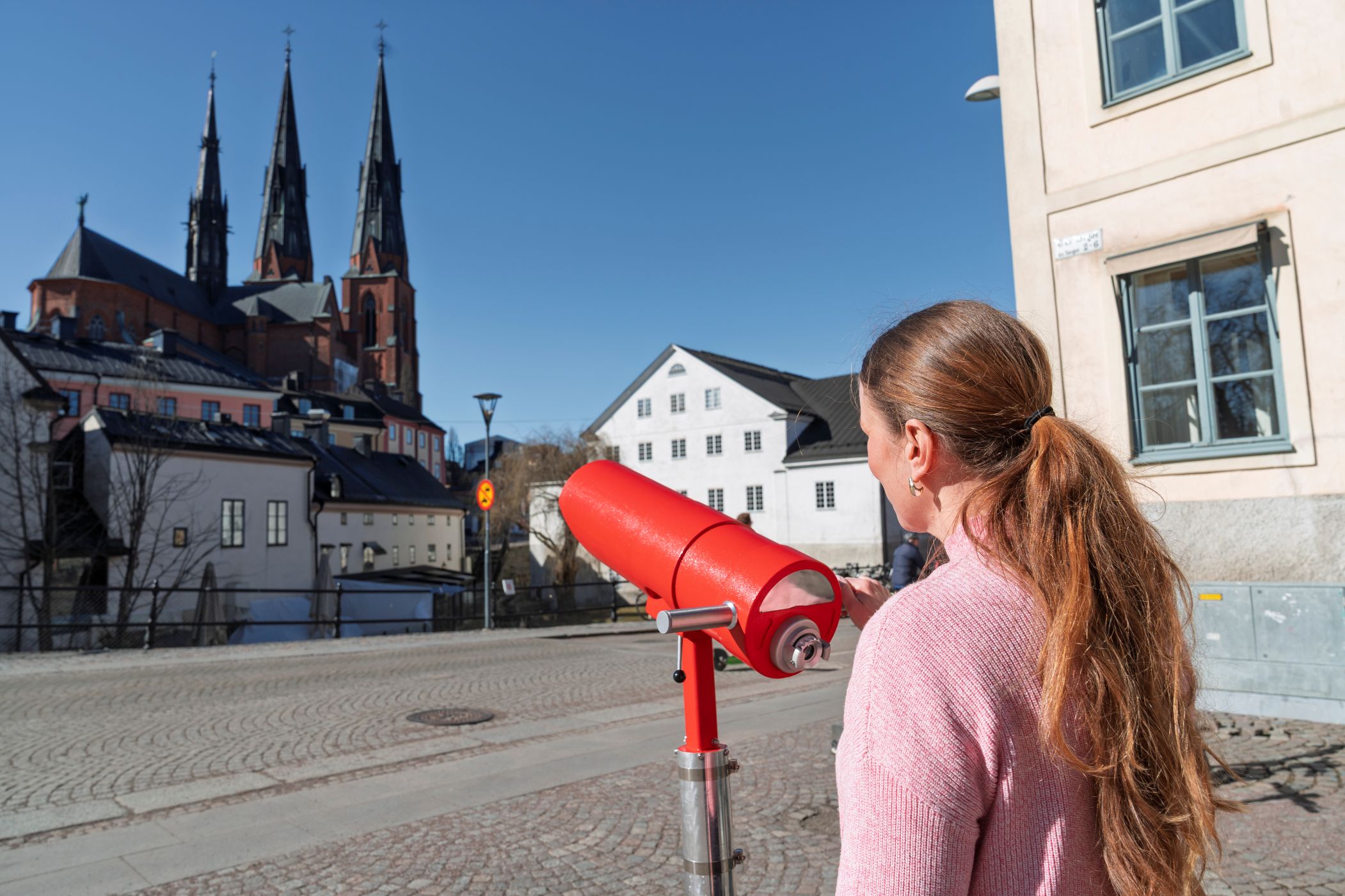
- hunting down a moveable red tower that will change location during the year
- using code words to unlock book tips at an independent bookstore
- exploring what lies behind a memorial stone for a historical event that perhaps never happened but has left a mark
- creating one’s own perfume with every ingredient chosen to tell a story
- discovering a miniature world hiding in plain sight in the city
- or simply indulging in a specialist coffee roastery where the conversation is as important as the beans
Ironically perhaps, for an approach that is supposed to reject check-lists, promoters have put together a list of around 60 “experiences, places and phenomena – from groundbreaking research and history to contemporary innovations, culture, food and handicrafts,” to give visitors “just a selection of everything that Uppsala has to offer, providing new insights, new knowledge and new perspectives.”
The campaign will be visible through video content, digital, and physical channels, Uppsala’s own and third-party social media accounts and commercial media both in and outside Sweden.