


Planned expansions at some of Europe’s largest airports could push aviation emissions far beyond levels compatible with national climate targets, according to a new study by environmental group Transport & Environment (T&E).
Published on 15 September, the report examined expansion plans and traffic forecasts at 20 major airports across 10 European countries against a carbon budget aligned with limiting global warming to 1.7°C. T&E found that all the airports analysed would exceed what it considers their fair share of that budget, even after accounting for the uptake of sustainable aviation fuel (SAF) and improvements in aircraft efficiency.
Major expansion projects are underway or have been announced in cities including London, Paris, Madrid, Lisbon, Dublin, Frankfurt and Brussels. According to T&E, current growth plans would see the airports emit between two and three times their allocated carbon budgets by 2050, while the planned expansions would add around 225 million tonnes of CO₂ compared with existing capacity.
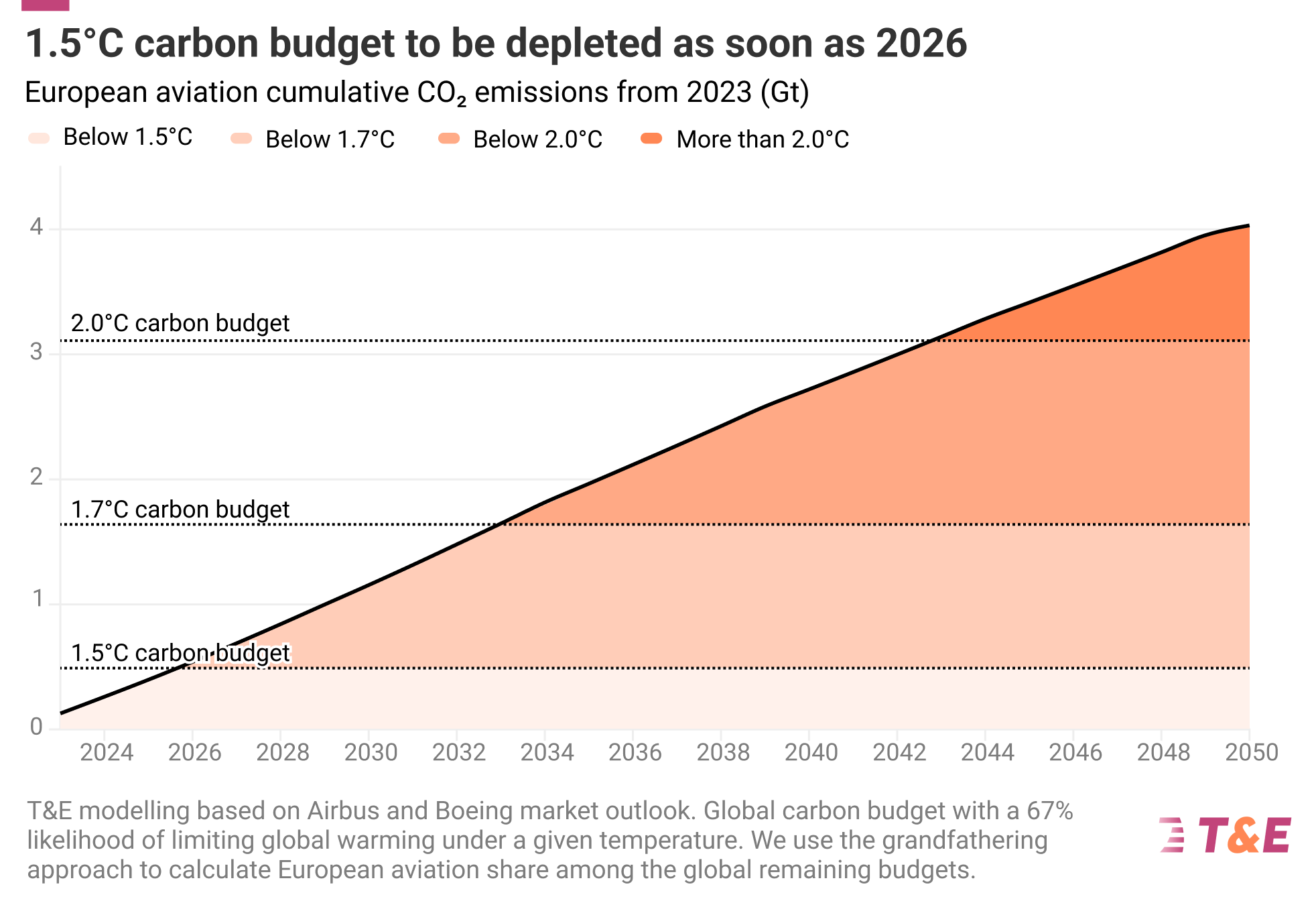
The organisation estimates that, on current growth trajectories, European aviation will exhaust its remaining carbon budget compatible with 1.5°C of warming in 2026 and its 1.7°C budget by 2033. Most of the airports assessed would use up their individual budgets during the 2030s.
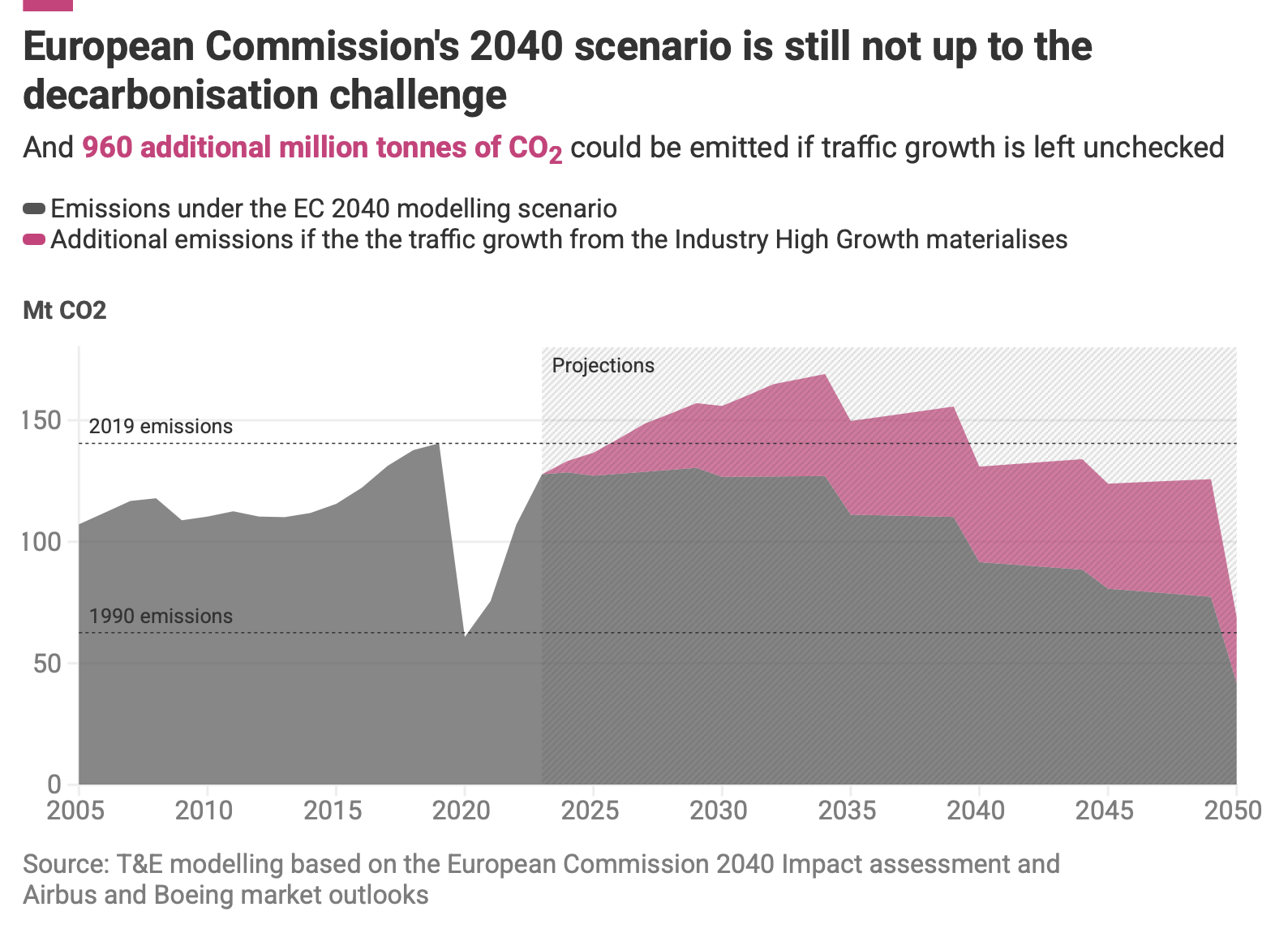
“Increasing traffic volume by adding runways and extending terminals cancels out any benefits from cleaner fuels or efficient engines. No plausible tech improvement can close the gap in time,” said Denise Auclair, head of T&E’s Travel Smart campaign. “After this summer’s dramatic heat, fires and drought, governments have a stark choice: they can either make it worse by approving climate-busting expansion, or show decisive action and stop it now.”
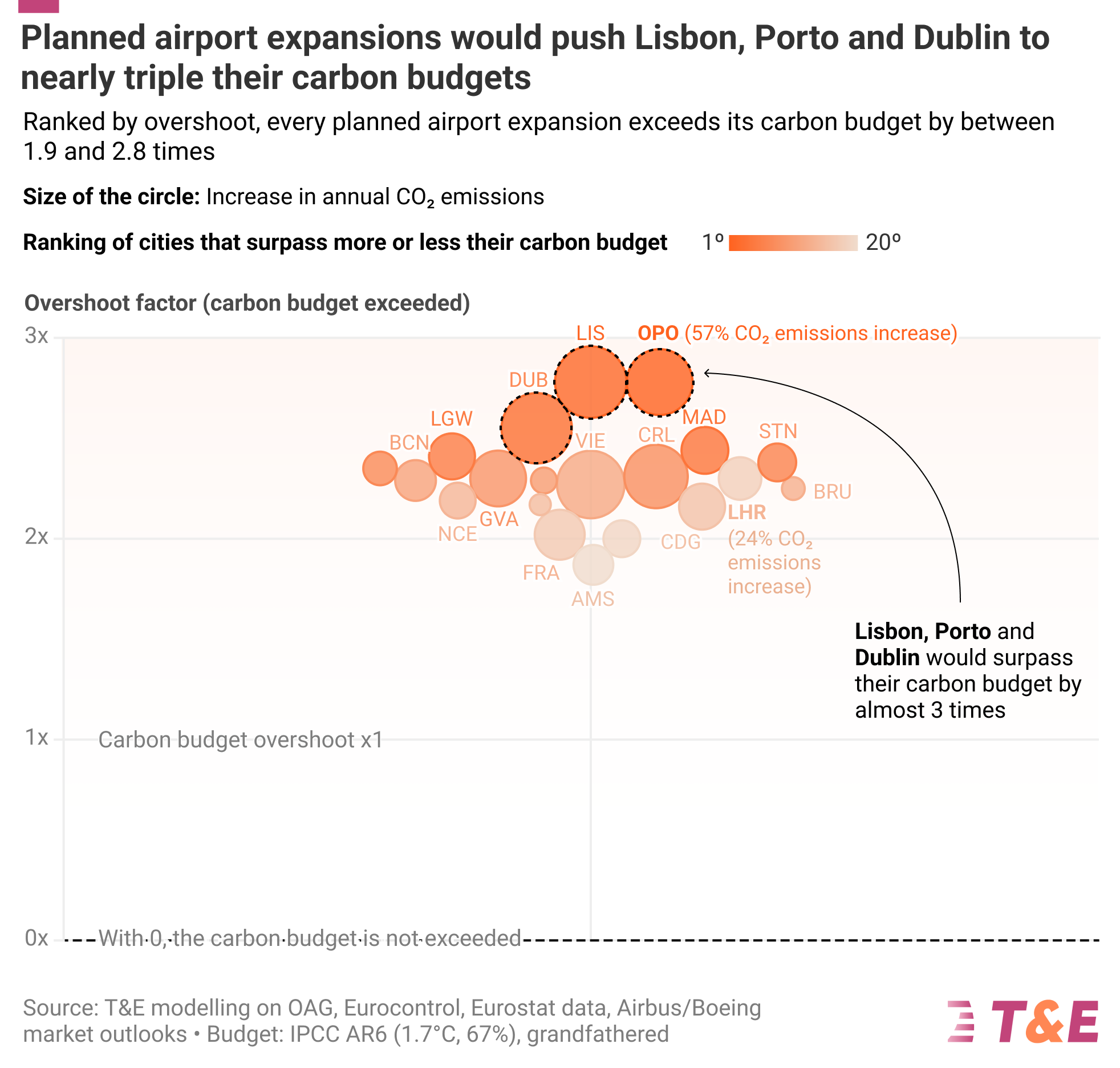
The largest projected overshoots were identified at Lisbon and Porto airports in Portugal, where emissions could reach 2.8 times their allocated budgets, followed by Dublin at 2.6 times. T&E estimates Lisbon and Porto, which together account for around 80% of Portugal’s aviation emissions, would instead need to reduce emissions by about 12% annually to remain within national climate limits.
In the UK, T&E calculated that additional emissions generated by a third runway at Heathrow between 2035 and 2050 would be equivalent to a full year of economy-wide emissions from Croatia. In Spain, planned expansion at Madrid, Barcelona, Palma and Málaga airports is expected to add 35 million tonnes of CO₂. The four airports accounted for 66% of Spain’s departing aviation emissions in 2025.
Brussels Airport is also among the 20 airports included in the analysis. T&E argues that its projected growth, like that of the other airports studied, would exceed the carbon budget assigned under the report’s methodology.
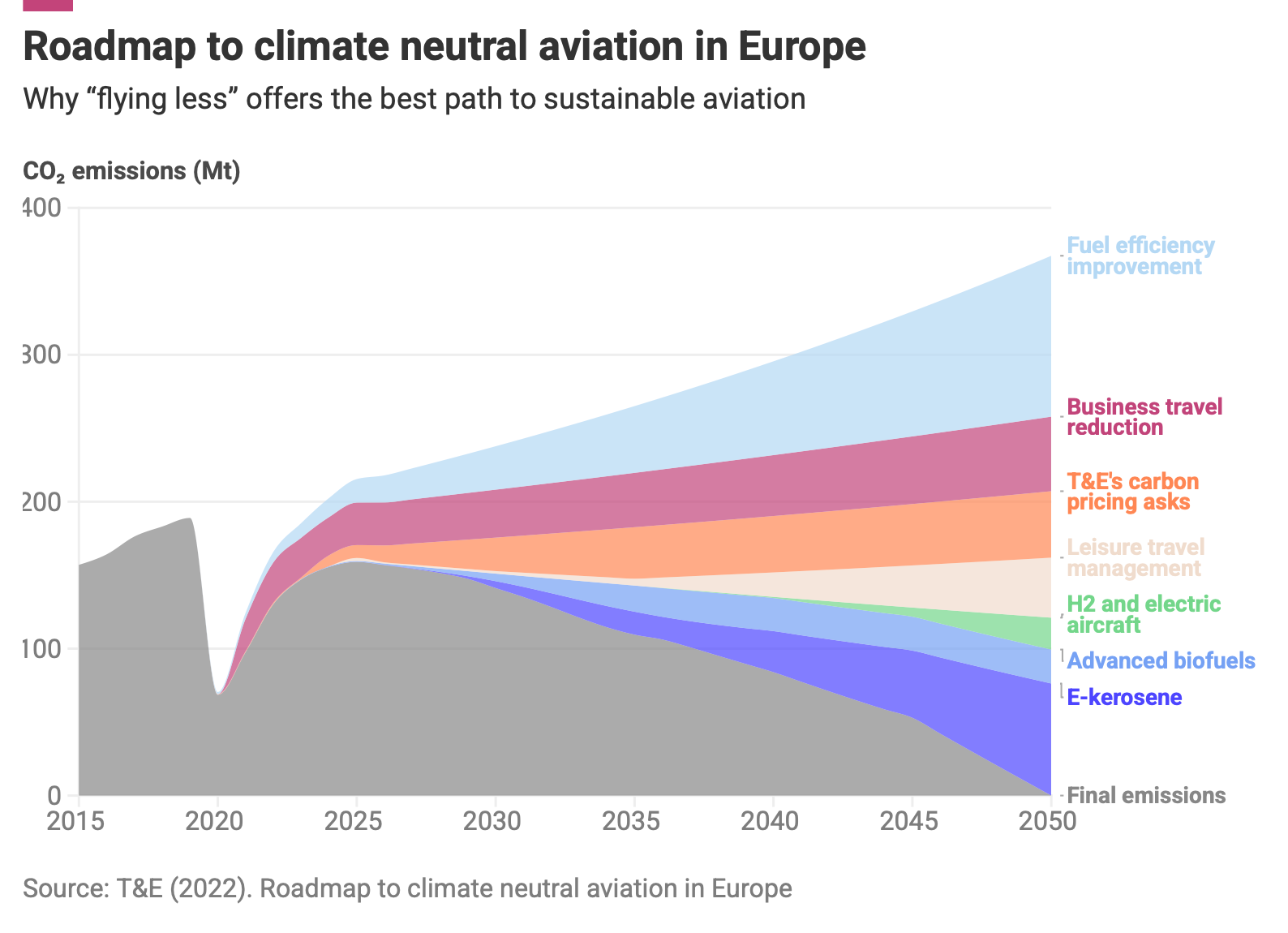
The organisation is calling on governments to reject airport expansions that exceed their carbon budgets, establish Paris-aligned limits for individual airports and use measures including taxation and airport slot policies to manage traffic. It also recommends redirecting public funding away from additional airport capacity towards cleaner transport alternatives.