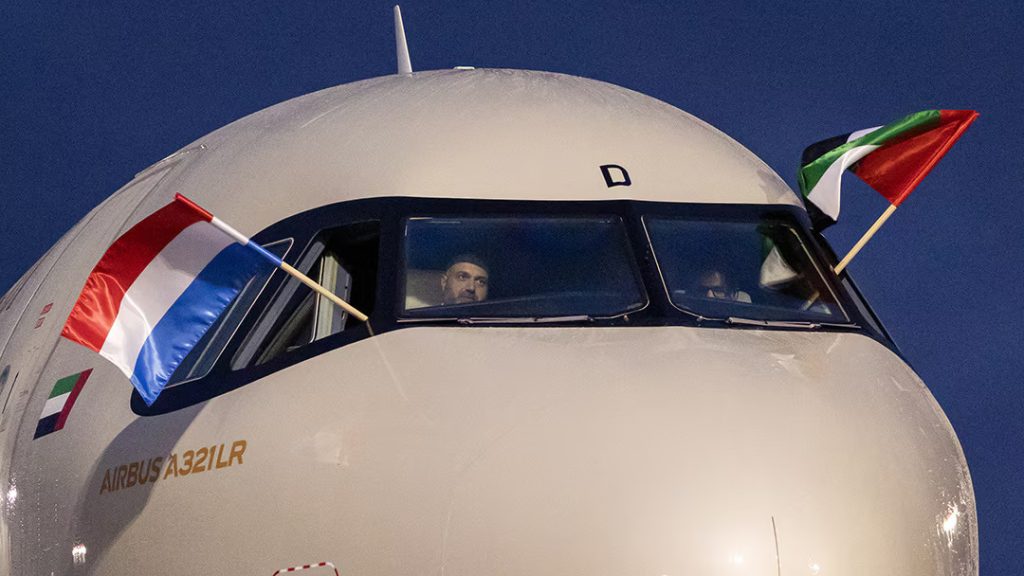



Emirates has completed the refurbishment of its 100th aircraft as part of a $5 billion (€4.4 billion) programme to modernise its fleet. The milestone comes nearly four years after the Dubai-based airline started upgrading the cabins of its widebody aircraft. So far, 53 Boeing 777s and 47 Airbus A380s have received new interiors. The project reflects a wider trend in the aviation industry, where airlines are extending the life of existing aircraft while waiting for new deliveries from manufacturers such as Airbus and Boeing.
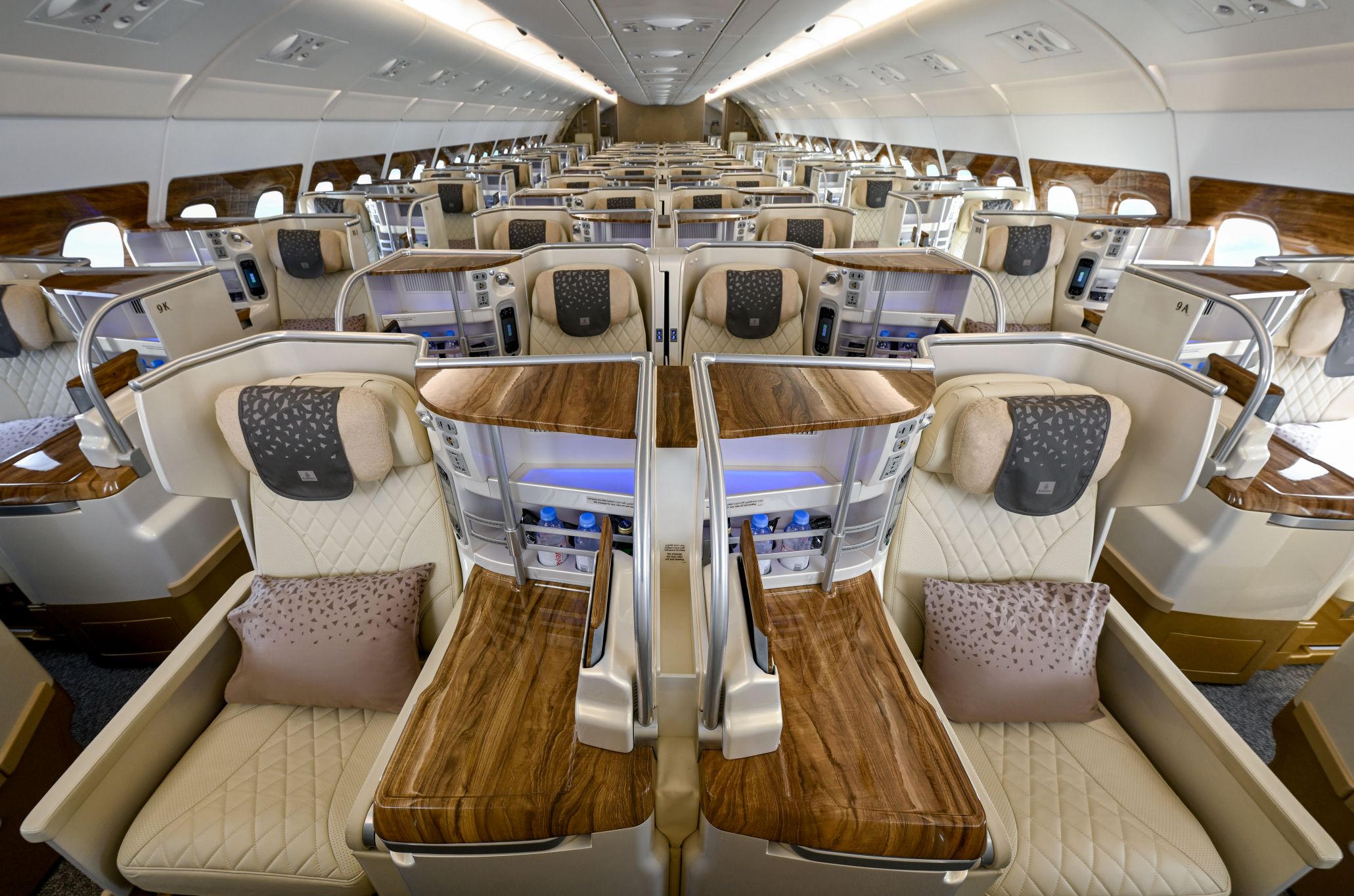
Rather than replacing its aircraft, Emirates has chosen to refurbish many of them from the inside. During each retrofit, engineers remove large sections of the cabin before installing new seating, redesigned premium cabins, refurbished galleys, upgraded lavatories and improved onboard technology. The work is intended to give aircraft that have already spent years in service an updated cabin without replacing the aircraft itself. Future retrofits will also include new 4K OLED HDR10+ seatback entertainment screens and lighter economy class seats.
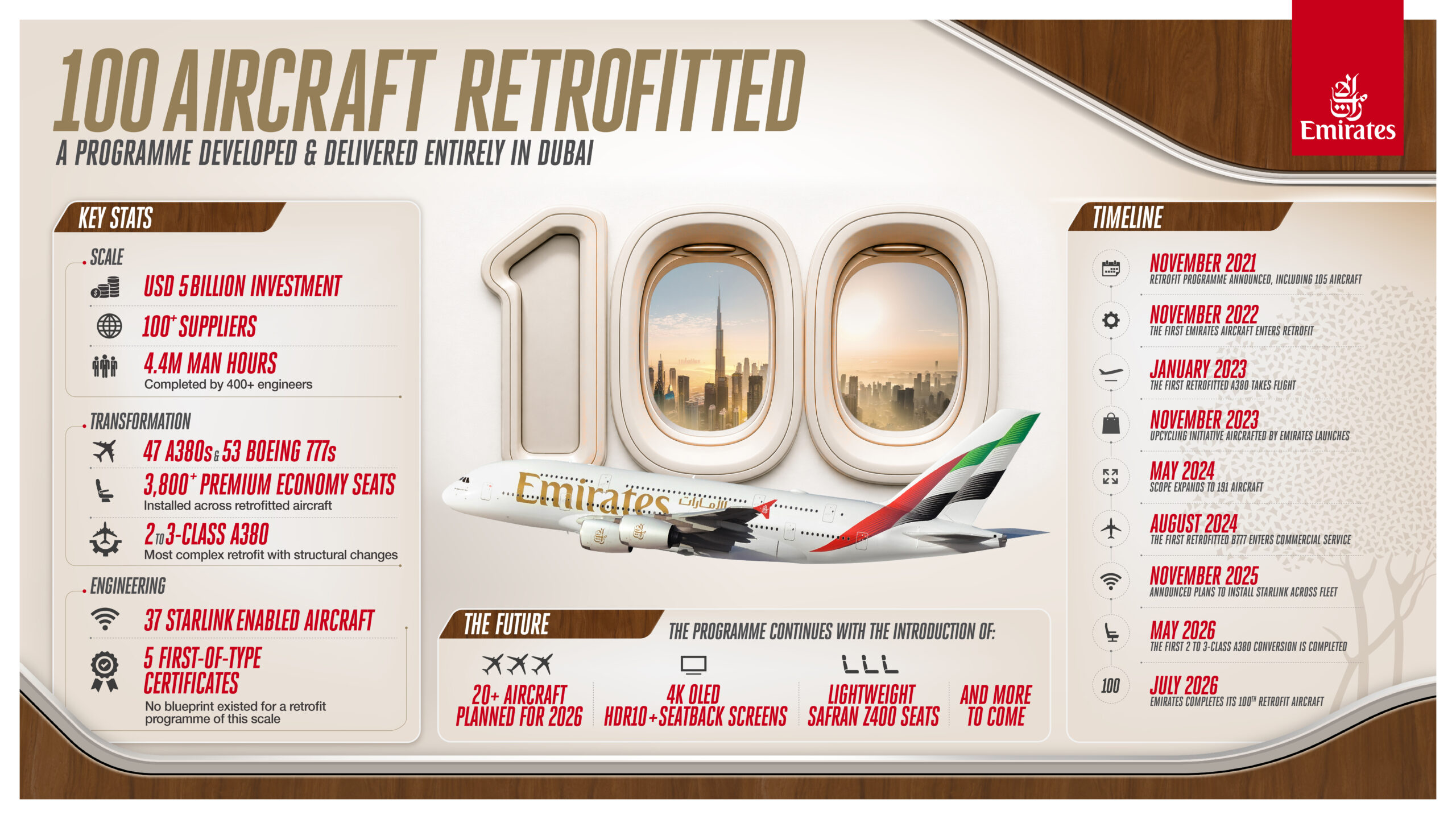
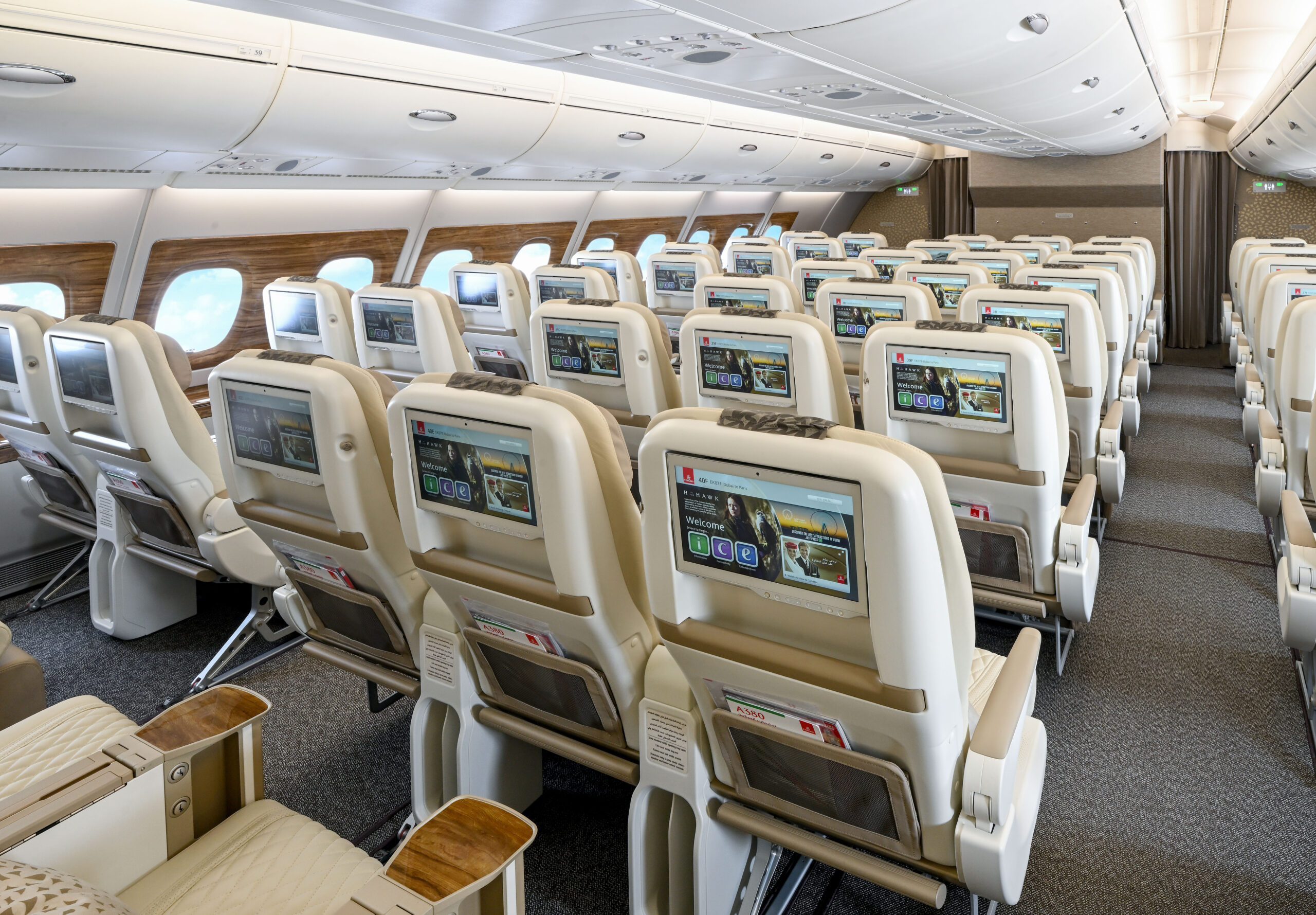
One of the biggest changes for travellers is the expansion of Emirates’ Premium Economy cabin. Premium Economy is positioned between Economy and Business Class and offers passengers more legroom, wider seats, extra recline and an upgraded dining experience. Since the programme began, Emirates has installed more than 3,800 Premium Economy seats across its refurbished aircraft. The airline has been expanding the cabin on more routes as demand for an option between Economy and Business Class continues to grow.
The project has become one of the largest engineering programmes ever carried out by a commercial airline. Since work started in November 2022, more than 400 engineers, technicians and specialists have spent a combined 4.4 million working hours refurbishing the aircraft at Emirates’ engineering facilities in Dubai. Each Airbus A380 retrofit requires the installation of more than 4,000 newly manufactured components, while every Boeing 777 receives more than 2,500 replacement parts. More than 100 suppliers from around the world are involved in providing the materials and equipment needed for the upgrades.
The refurbishment programme is particularly significant for the Airbus A380, an aircraft that is no longer in production. Emirates is the world’s largest operator of the double-decker aircraft, and modernising its cabins allows the airline to continue operating the type for many years. The company has also developed specialised tools and operational processes to carry out the work efficiently, including custom-built equipment for accessing aircraft interiors and modified catering trucks capable of transporting large cabin components around the maintenance facilities.
Aircraft delivery delays have become a challenge for airlines worldwide, with manufacturers struggling to meet demand. Refurbishing aircraft that are already in service allows airlines to improve the passenger experience while waiting for new aircraft to arrive. For Emirates, the programme also helps create a more consistent onboard experience across its Airbus A380 and Boeing 777 fleets. Emirates President Sir Tim Clark described the completion of 100 retrofits in 44 months as an important milestone in the airline’s long-term fleet strategy.
The programme has expanded considerably since it was first announced. Emirates originally planned to refurbish 105 aircraft before increasing the target to 191 and later to 219 aircraft in response to customer demand and its long-term fleet plans. Around 20 additional aircraft are expected to be upgraded before the end of 2026, taking the project beyond its halfway point. If completed as planned, it will rank among the largest aircraft cabin refurbishment programmes undertaken by a commercial airline.
Alongside passenger comfort, Emirates has also introduced a sustainability element to the refurbishment programme. Materials removed from aircraft cabins, including leather and fabric, are being repurposed instead of discarded. Some of these materials have been transformed into limited-edition products through the airline’s “Aircrafted by Emirates” collection. The airline has also donated more than 4,000 backpacks made from recycled Economy Class seat fabric to children in 11 countries.