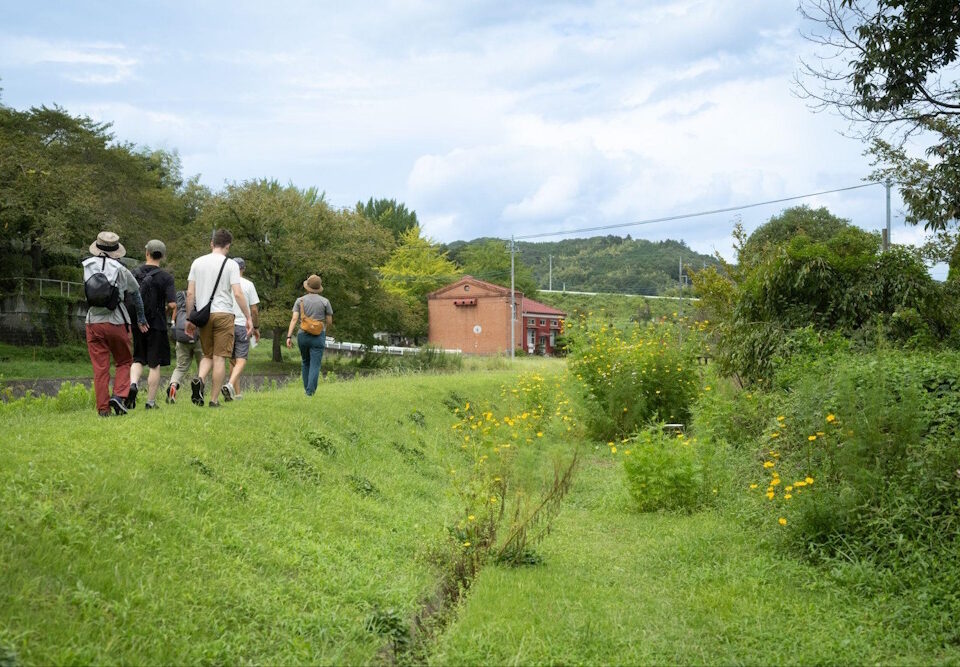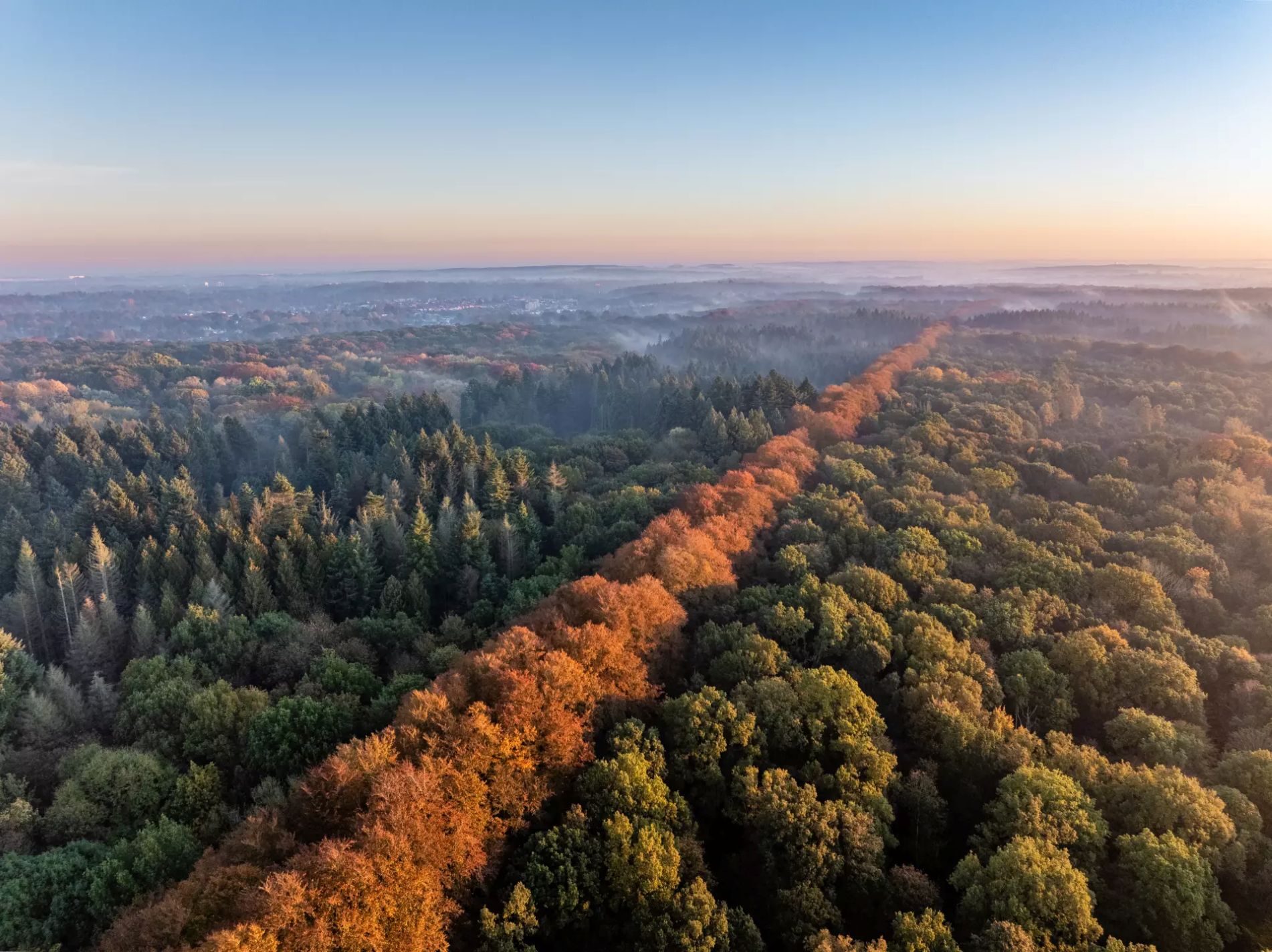



Forests, river valleys and open countryside form Brabantse Wouden National Park, a landscape extending south and east of Brussels. Recognised by the Flemish Government on 13 October 2023, it encompasses more than 10,000 hectares of valuable nature across three main areas: the Sonian Forest, the Meerdaalwoud–Dijle Valley and Hallerbos. Tervuren offers a starting point for exploring its woodland, with walking routes, a geographical arboretum and historic parkland close to the town centre.
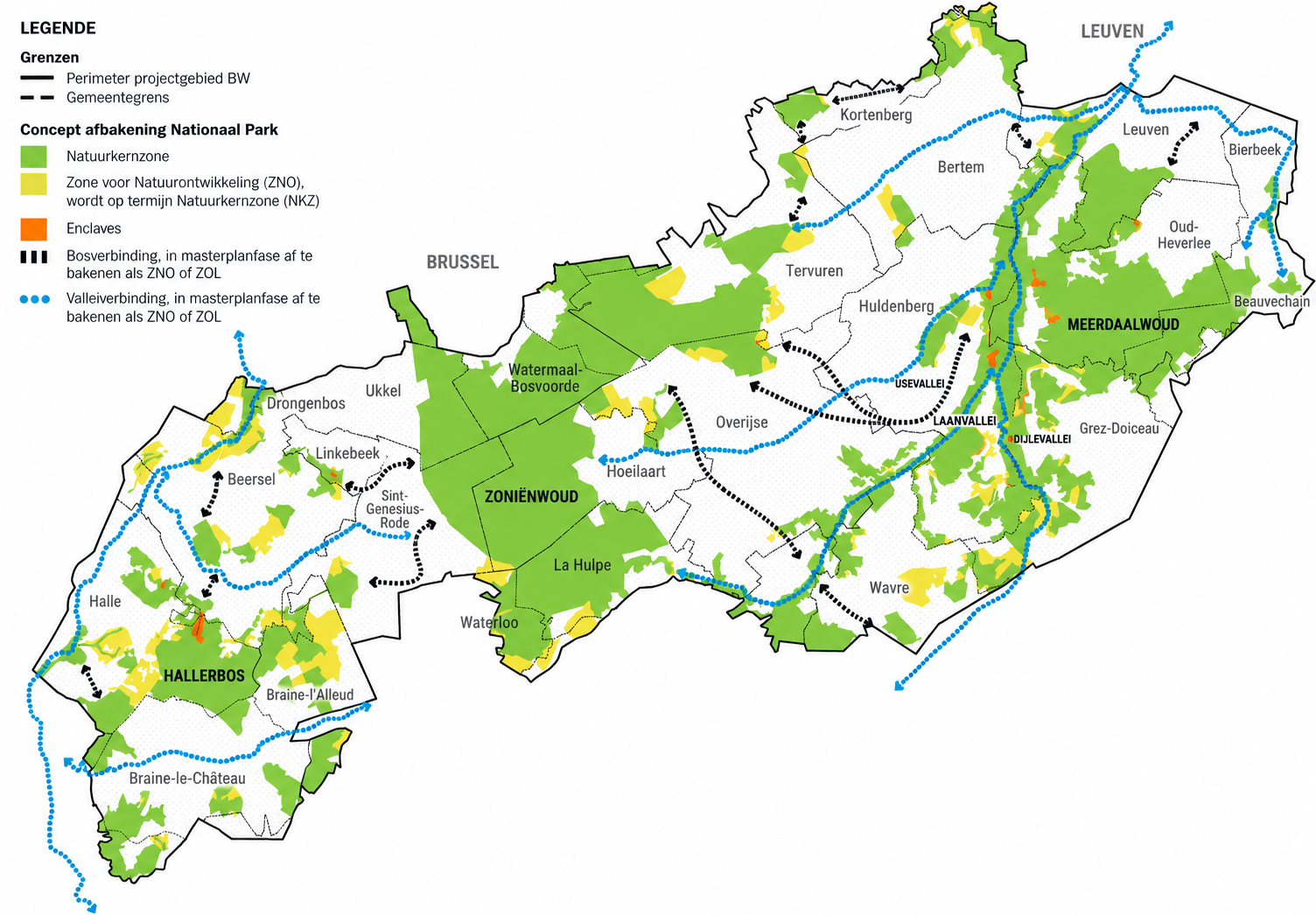
The national park extends well beyond the 205-hectare Tervuren Park beside the AfricaMuseum. Its designation brings nature, heritage, agriculture and tourism into a shared regional project, with a long-term plan to strengthen, expand and connect natural habitats.
A landscape connected by nature and history
Brabantse Wouden’s masterplan covers the period 2024–2048, with particular attention to rare and sensitive animal and plant species. Connecting habitats involves both extending natural areas and reducing the barriers created by roads and other infrastructure.
Agriculture also has a place in this landscape, through sustainable local food production and practices that support biodiversity. The partnership involves twelve municipalities, including Tervuren, with cooperation addressing issues such as drought and flooding.
Alongside its forests and valleys, the national park encompasses a cultural landscape shaped by centuries of settlement. Beersel Castle, dating from the 14th century, is one example of the heritage found across the wider area.
Tervuren’s gateway to the Sonian Forest
Tervuren’s connection to the national park centres on the Sonian Forest, known in Dutch as the Zoniënwoud. Its avenues and branching paths provide options for short walks and longer excursions, with Tervuren Park forming one of its Flemish gateways.

Five strictly protected areas within the forest received UNESCO World Heritage status in 2017 as components of the transnational site, Ancient and Primeval Beech Forests of the Carpathians and Other Regions of Europe. This designation applies to those specific reserves, rather than the entire forest or national park.
De Warandepoort visitor centre provides information for planning local excursions. During autumn, changing foliage adds a seasonal dimension to the walking routes around Tervuren, from pond-side paths to woodland trails.
A walking itinerary through the arboretum
Established in 1902, Tervuren’s geographical arboretum brings together trees and forest types arranged according to their geographical origins. The collection offers a different perspective on woodland, placing forest communities from different regions within a single walking destination.
The approximately seven-kilometre Royal Walk provides a structured itinerary through the Tervuren arboretum. Sequoias from western North America and araucarias from the Andes are among its distinctive trees.
The route can form the main excursion of a day focused on woodland, with a separate park walk or museum visit adding a cultural element.
Combining parkland with architectural heritage
Tervuren Park brings together French gardens, ponds and wooded avenues on the former hunting grounds of the Dukes of Brabant. The 5.5-kilometre Warande Walk passes the AfricaMuseum, Africa Palace and Chapel of St Hubert, linking the estate’s natural surroundings with its historical landmarks. It features among six routes for discovering Tervuren on foot.
The baroque chapel dates from 1617, while the remains of the ducal palace recall the estate’s earlier role as a residence. The Africa Palace, formerly the Palais des Colonies, was built for the Brussels International Exposition of 1897. Today’s AfricaMuseum occupies a separate building inaugurated by King Albert I on 30 April 1910.

The exhibition’s collections formed the basis of a permanent museum established in 1898. Today, the institution combines scientific research with exhibitions on Central Africa’s societies, history and natural environments. Its reopening in 2018 followed five years of renovation.
Exploring beyond Tervuren
For a first visit, choosing the Royal Walk or Warande Walk as the main excursion creates a manageable day itinerary. A shorter alternative follows the 1.5-kilometre AfricaMuseum promenade between the museum and Tervuren’s church, with nine information panels explaining the institution’s connection to the town.
Longer stays allow time to explore the national park’s other landscapes, from Hallerbos near Halle to Meerdaalwoud and the Dijle Valley near Leuven. Tervuren provides an introduction to a regional destination whose forests, waterways, farmland and heritage can be explored over several outings.