A new rail trail has opened to the public in the Canadian Rockies, following an abandoned railway line used by the coal mining industry in the early 1900s. This offers visitors a unique opportunity to explore Alberta’s history beyond its national parks.
Spanning 109 km from Rocky Mountain House to Nordegg, the trail follows the former route of the Canadian Northern Railway (CNoR). The 50 km western segment from Nordegg towards Saunders is currently fully accessible, and the final stretch to Rocky Mountain House is scheduled for completion by the end of this year.
Once completed, the developers envisage it as part of a multi-trail system that will connect with other regional trails and the trail networks of the Bighorn Backcountry, an area of outstanding natural beauty and ecological importance.
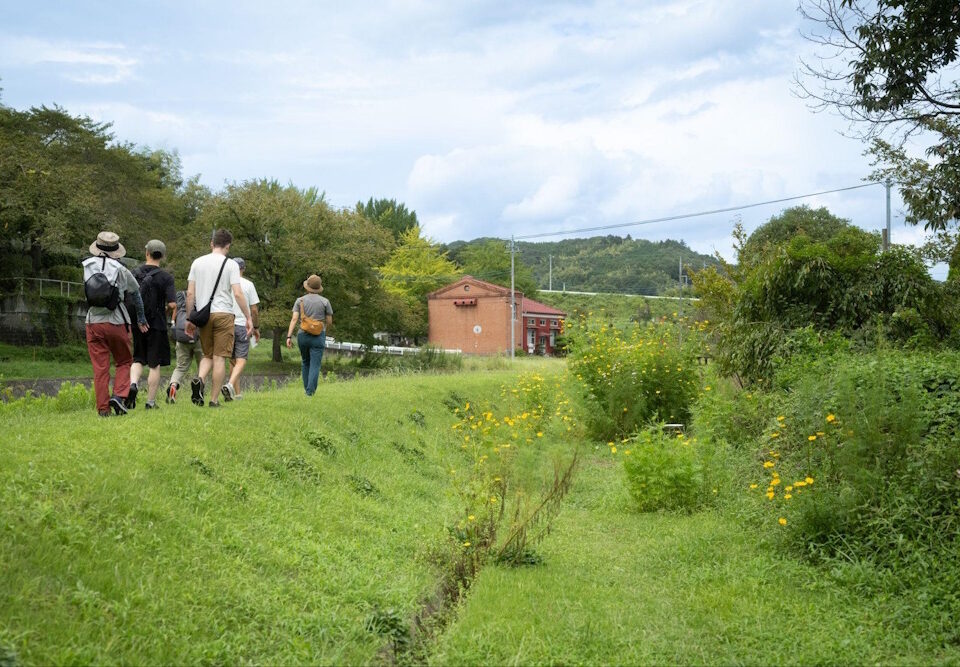
Located in Alberta’s Clearwater County, the trail winds through the mixed wood forests and valleys that are characteristic of the Canadian Rockies’ foothills. Frequently spotted wildlife includes elk, deer, and moose, while the forests and wetlands also shelter smaller mammals and birdlife typical of the region, as well as grizzly and black bears.
The trail passes through not only forests, but also eerie and fascinating ghost towns such as Saunders and Alexo.

As it follows a former rail track, the route is flatter and easier to navigate than many challenging alpine treks in nearby Jasper. It is ideal for those not looking for overly strenuous outdoor activities.
A major stop between the two ends of the trail is the 220-metre Taunton Trestle Bridge, a centrepiece of the route. Recently upgraded, it now features a dedicated parking lot for RVs, an outhouse, and a formal observation deck offering panoramic views of the Clearwater County foothills that are a true feast for the eyes and soul.
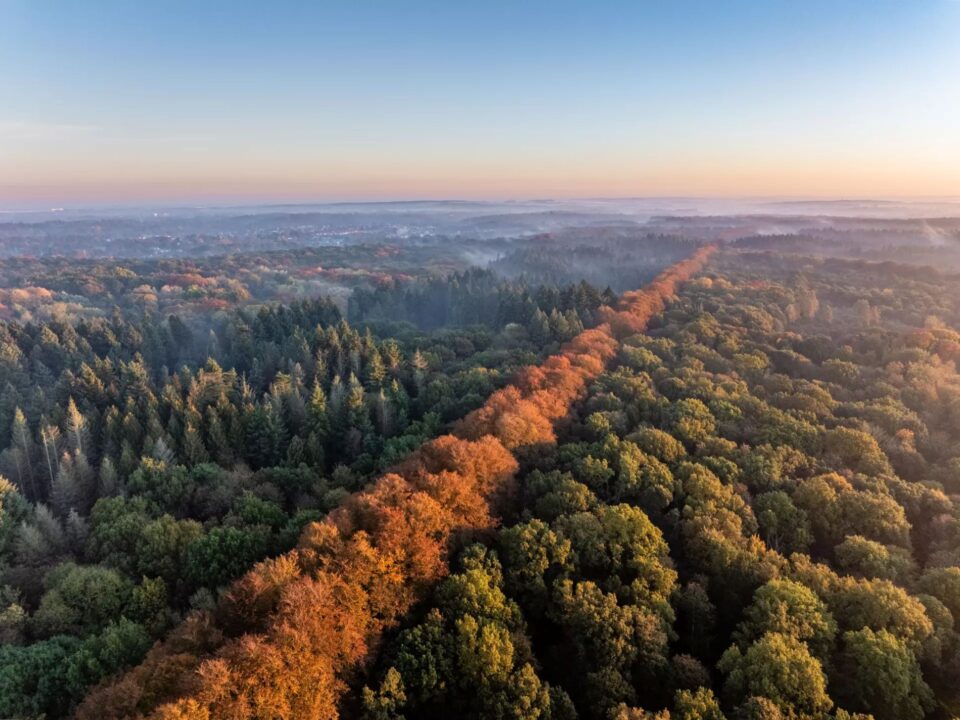
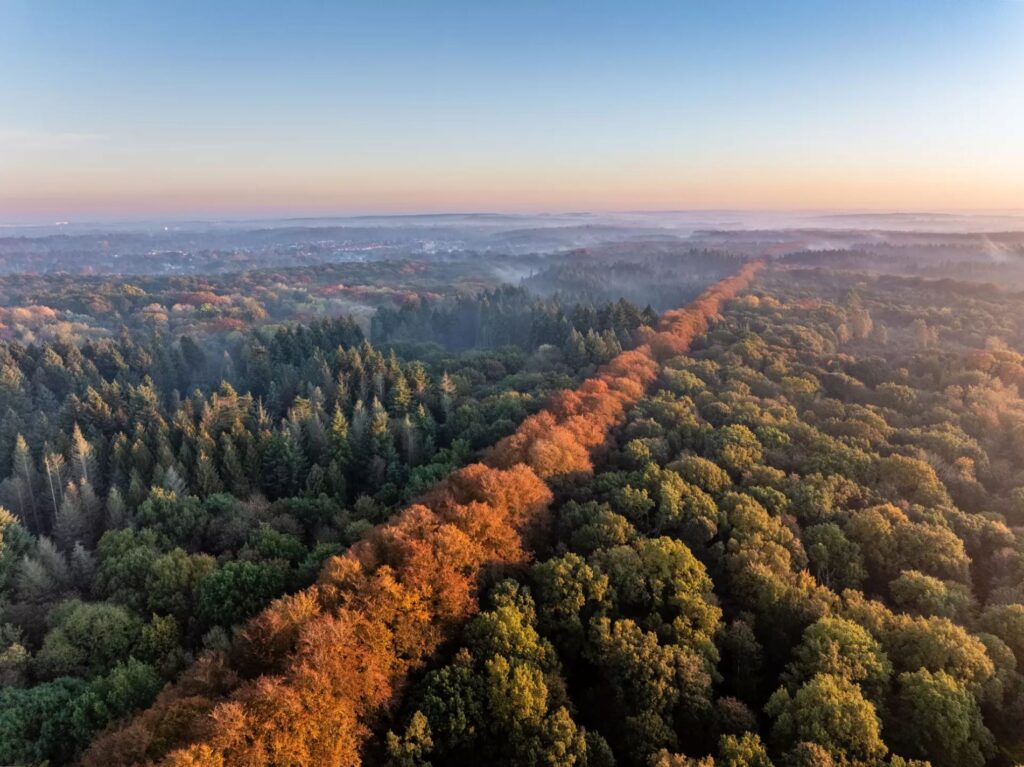
The landscape is a vibrant mix of forests and valleys. In the summer heat, the air is heavy with the sweet, medicinal scent of trembling aspen and balsam poplar. When autumn arrives – the season that Albert Camus famously called “a second spring when every leaf is a flower” – the willows and water birch turn to gold.
When winter transforms the trail into a snow-covered wonderland, the scent of the lodgepole pines stands out sharply.
Designed for year-round use, the trail is popular with hikers, cyclists, and horse riders in summer, and also permits quads and off-highway vehicles (OHVs). In winter, the path belongs to cross-country skiers, snowshoers, and dog sledging teams.
Built between 1911 and 1914, the railway line was the lifeblood of the region, transporting coal across Canada and fostering the growth of local mining communities.
However, demand for coal declined after the Second World War, resulting in the closure of mines and a slowdown in rail traffic. The town of Nordegg is named after the entrepreneur Martin Nordegg, who was forced to leave Canada during the First World War due to his Austrian origins. He returned in 1920 to continue his work.
Today, the trail can be accessed from either Rocky Mountain House or Nordegg, both of which are about two hours’ drive from Calgary. As development continues, this path serves as a bridge between Alberta’s industrial past and its ecological future.