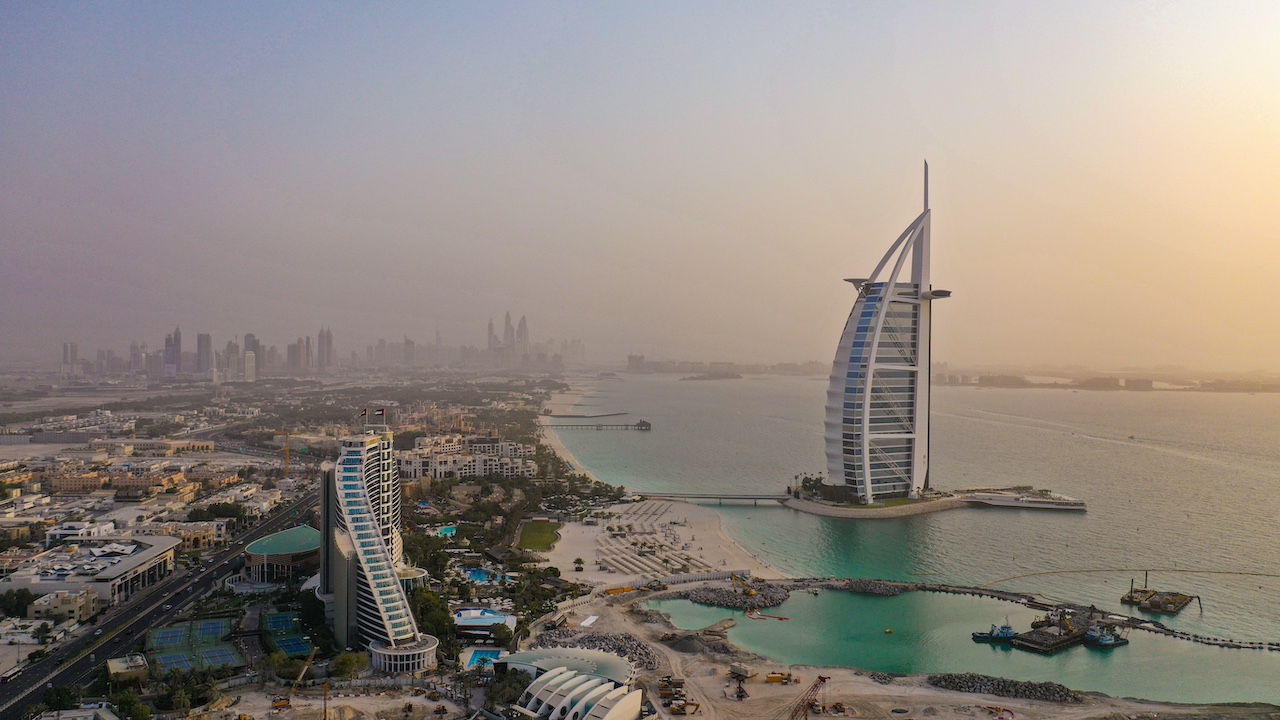



Opened in 1999, Burj Al-Arab, Dubai’s most iconic silhouette and a global benchmark for luxury, long considered the only real rival to Burj Khalifa, is set to close for an 18-month restoration.
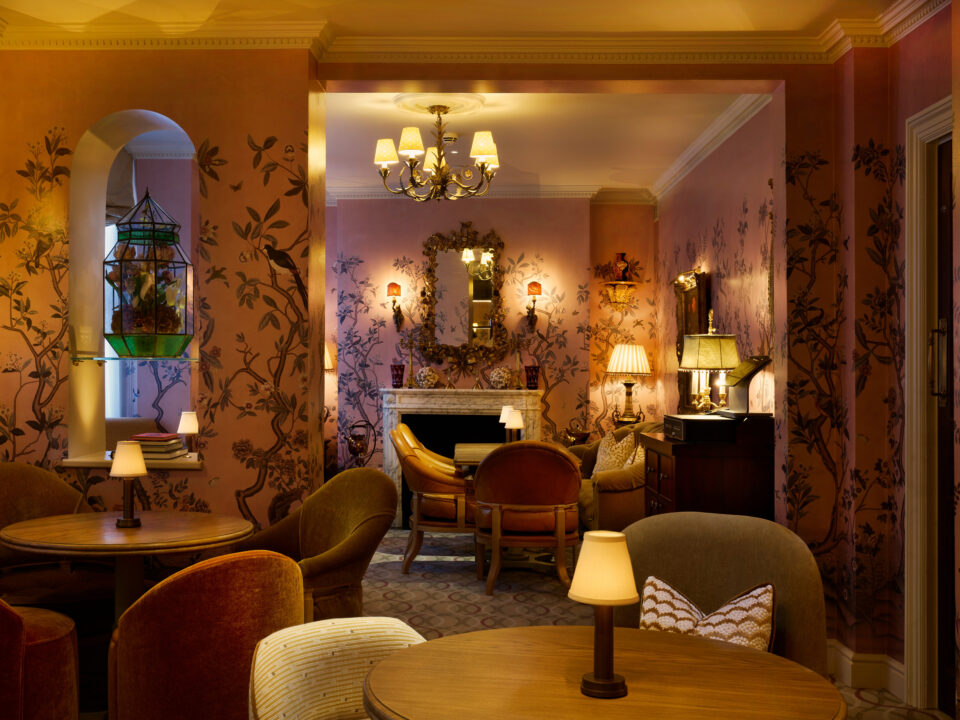
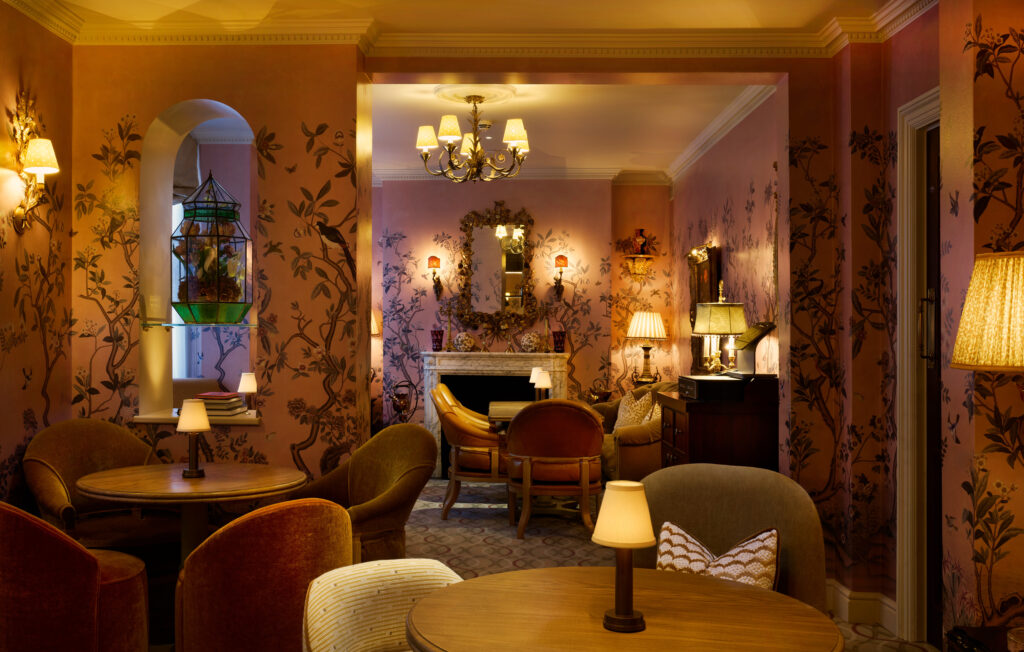
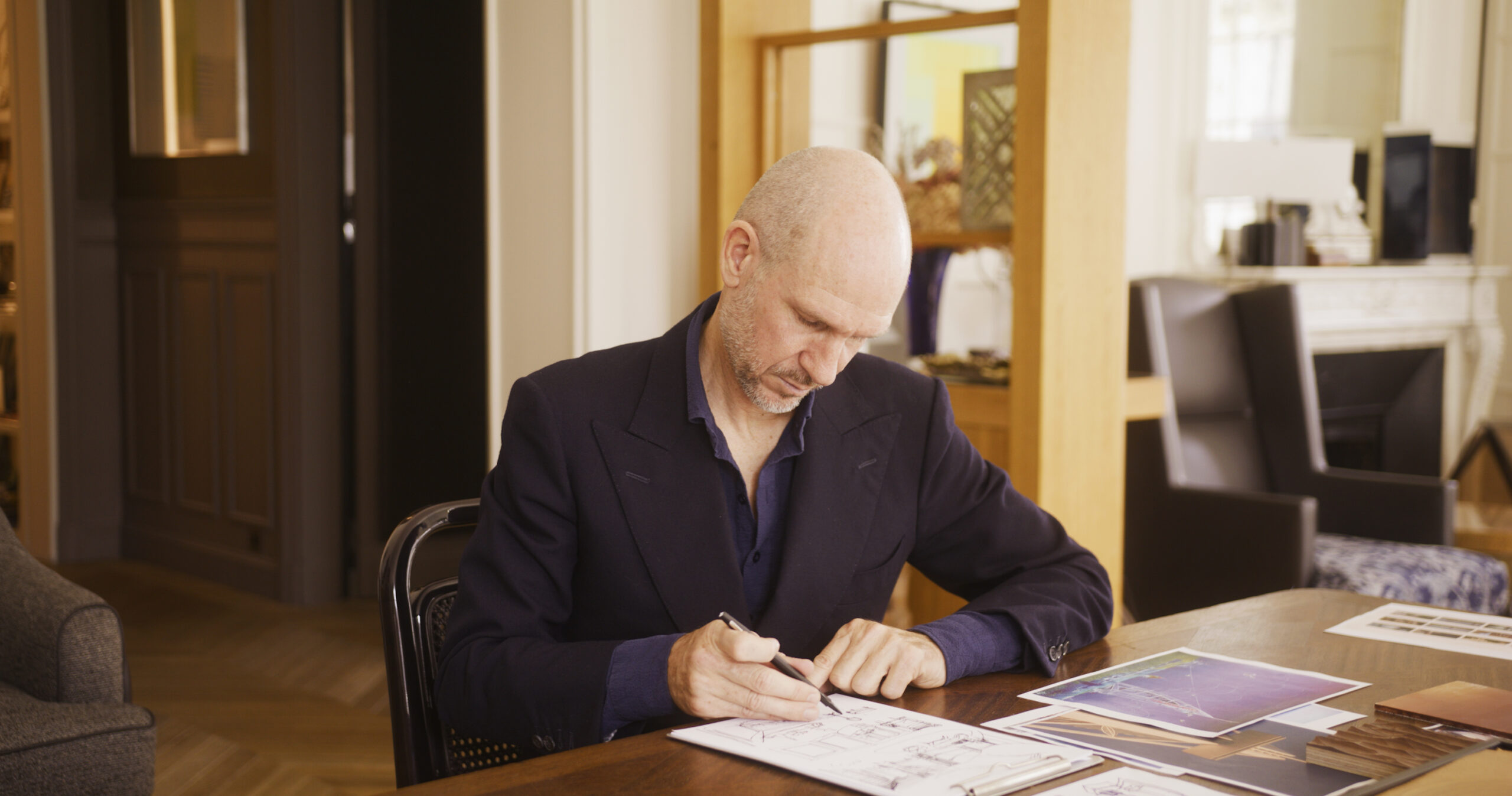
The project has been entrusted to the acclaimed French interior architect Tristan Auer, who is known for his work on famous Parisian establishments such as the Hôtel de Crillon and Les Bains Douches, as well as the Carlton Cannes. Named Designer of the Year in 2017 by Maison & Objet, Auer has already spent two years on-site redesigning the hotel’s spa.
The refurbishment comes after the hotel suffered minor damage when debris from an intercepted Iranian drone caused “a limited fire on the outer façade”, according to the Dubai Media Office.
Speaking to Condé Nast Traveler, Auer compared the restoration to a science, describing it as “as difficult as preserving a work of art”.
He emphasised the importance of observing how guests experience the space before intervening: “As one of the most recognised hotels in the world, it is vital as a designer to be respectful.”
🚨#ULTIMA ORA : L'iconico hotel Burj Al Arab di Dubai, noto per essere l'unico hotel al mondo a sette stelle, è stato colpito da un drone iraniano; le immagini mostrano le fiamme che si alzano dalla struttura. pic.twitter.com/wXrhgjtR8p
— Roberto Avventura (@RobertoAvventu2) March 1, 2026
For Thomas B. Meier, CEO of Jumeirah, the building is “far more than an architectural landmark”. He describes it as “a symbol of ambition, craftsmanship and enduring excellence”. The renovation marks a new chapter intended to preserve the identity of the flagship within the group’s “limited-edition collection of iconic landmarks”.
Auer shares this focus on continuity. “Legacy is everything,” he said, adding that the work requires “stepping into the shoes” of the original vision in order to preserve the experience while extending it for the next 25 years.
Rising 321 metres above a man-made island 280 metres off Jumeirah Beach, the sail-shaped structure was one of the first buildings to define Dubai’s skyline and establish the city’s reputation as a futuristic destination. It helped put Dubai on the global luxury travel map.
Often described as the world’s first “seven-star” hotel – an unofficial label coined by a journalist – the 198-suite property is a masterclass in gold and glamour, where opulence knows no bounds.
Its interior features around 1,790 square metres of 24-carat gold leaf, over 30 types of marble, and more than 86,000 Swarovski crystals. Each duplex suite comes with a dedicated butler, and a fleet of Rolls-Royce vehicles is available to guests on demand.
The hotel’s reputation is bolstered by its world-class culinary scene, which includes the Michelin-starred Al Muntaha and Ristorante L’Olivo at Al Mahara.
Some of the hotel’s most memorable moments have taken place on its helipad, including a tennis match between Roger Federer and Andre Agassi, a Formula 1 stunt by David Coulthard and, more recently, a precision landing by pilot Luke Czepiela.
Auer intends to continue this tradition, saying, “I am doing haute decoration. For me, luxury is bespoke; everything will be of the highest quality”. He assures us that he will “push the opulence a little bit further”. “People dream about this hotel.”
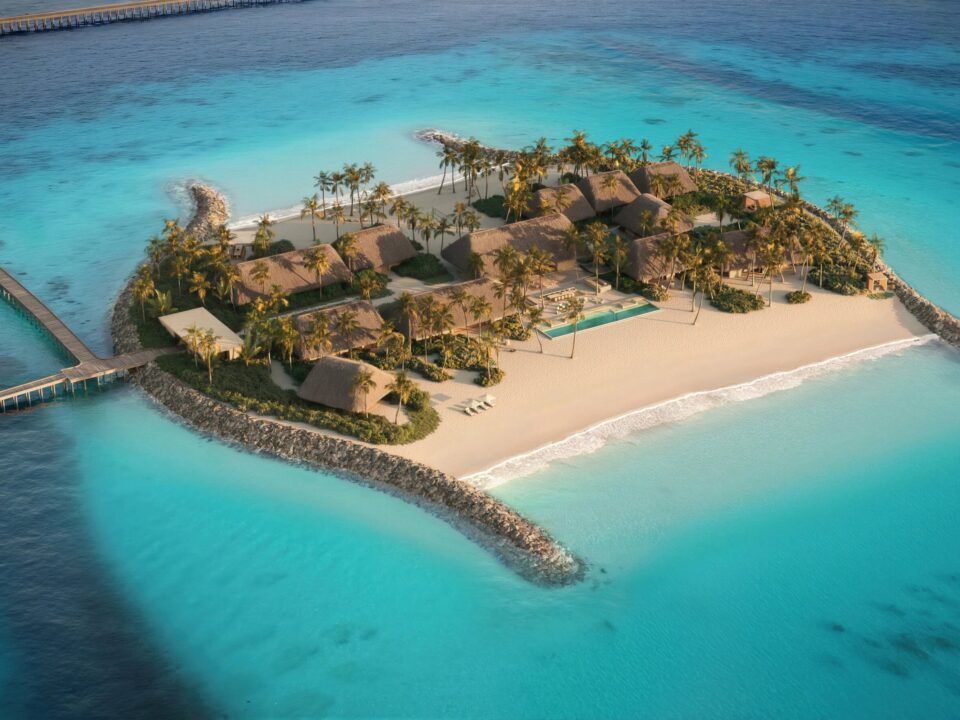
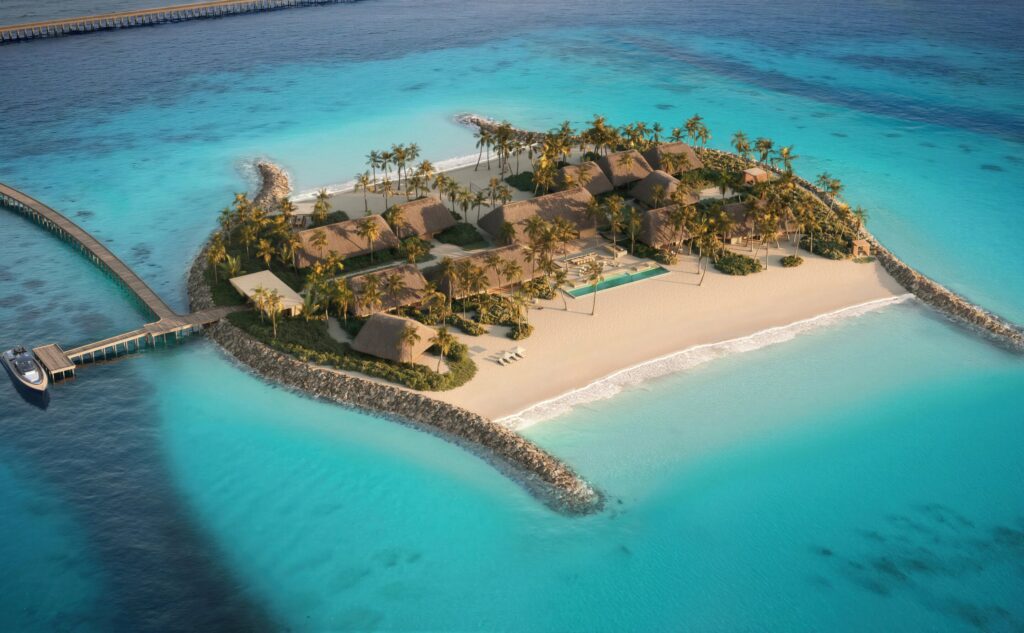
The closure also comes as Dubai continues to expand its luxury offering. Plans announced for 2025 include the development of Naia Island, a new high-end destination near the Burj Al Arab featuring private villas, beachfront residences, and a Cheval Blanc-branded hotel.