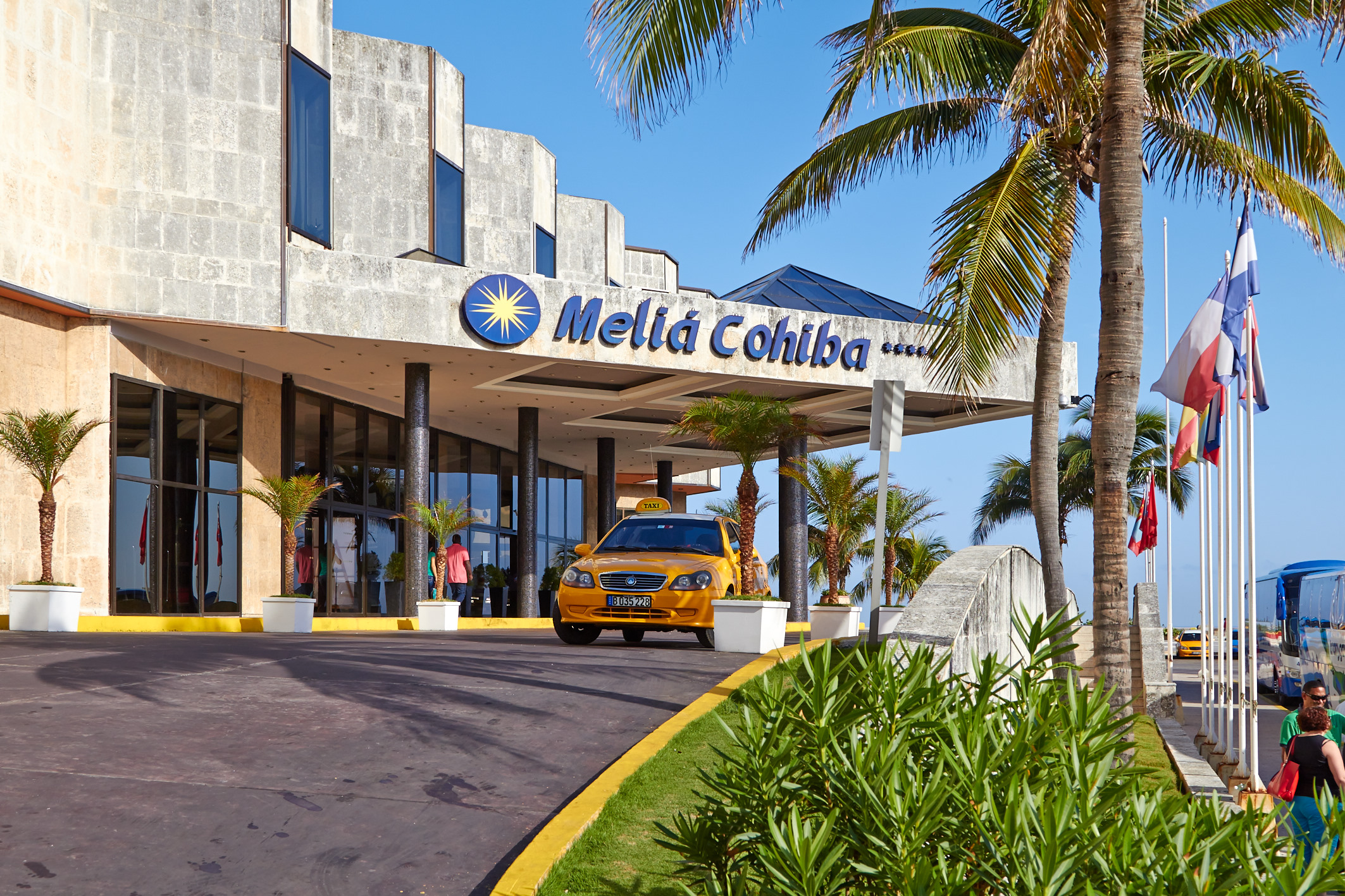



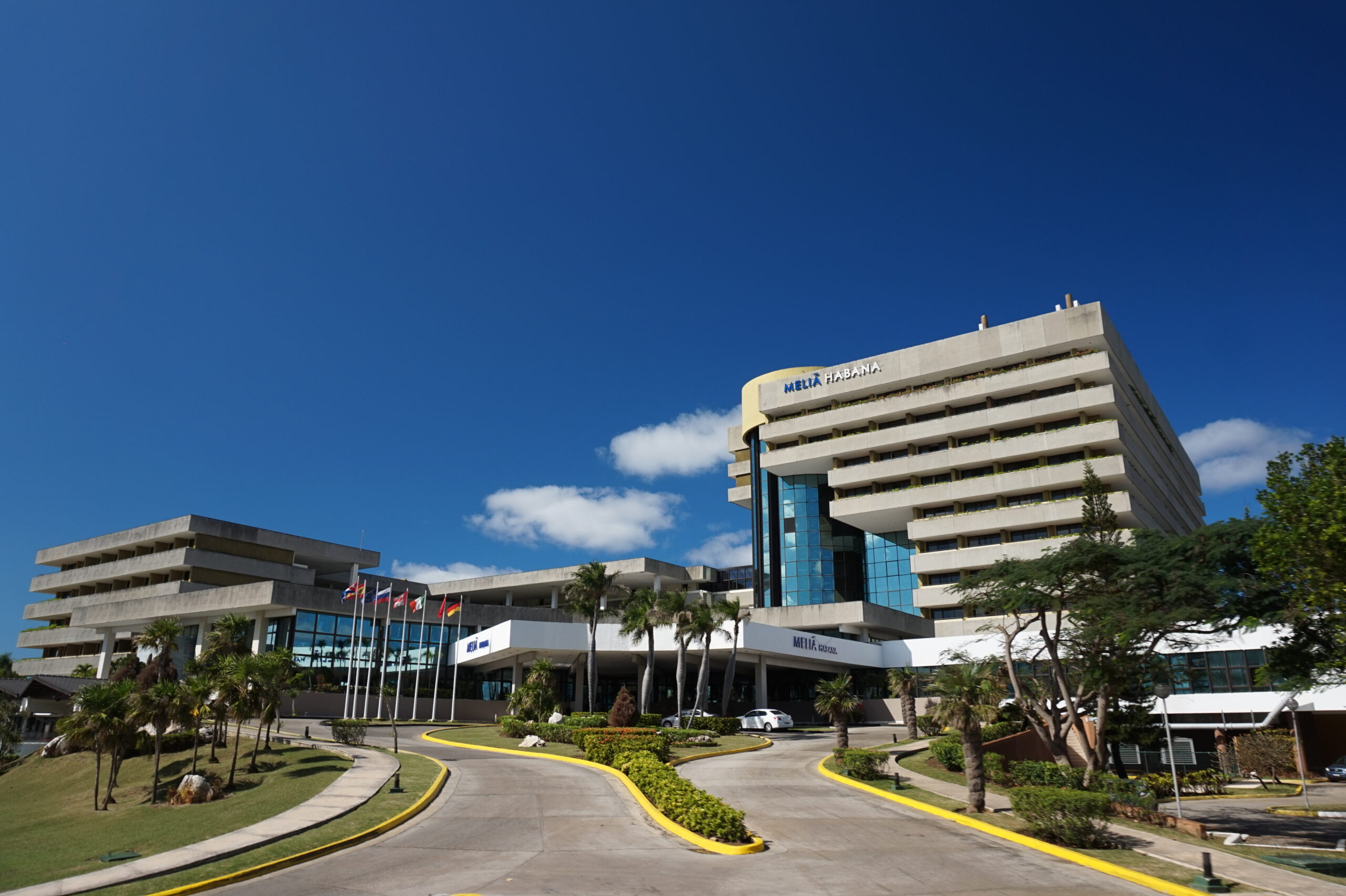
Spanish hotel group Meliá is scaling back its presence in Cuba, ceasing management, marketing and branding services for 15 hotels.
The decision was announced through Meliá’s Portuguese subsidiary, Ilha Bela Gestão e Turismo, which said a combination of “unforeseen circumstances” had undermined the viability of the operations.
The company pointed to growing concerns over the legal certainty, security and economic stability of its Cuban business, prompting it to withdraw from the affected hotels. The move marks another blow to the island’s struggling tourism sector amid geopolitical pressures in the Middle East.
Meliá, one of the largest foreign hotel operators in Cuba, has been present on the island since the early 1990s. However, contributions to the group’s earnings have declined sharply in recent years, with most of the properties affected by the withdrawal already closed or out of operation.
The company emphasised that the decision was taken with a “deep sense of corporate responsibility” as external factors increasingly constrained normal operations.
The withdrawal comes as the U.S. intensifies pressure on Cuba through tougher sanctions and measures. The Trump administration has set 5 June as a deadline for foreign companies to cut ties with businesses linked to GAESA, the island’s military-run conglomerate, which controls a significant share of the Cuban economy.
According to Reuters, sanctions target entities operating in sectors such as energy, defence, mining and financial services, as well as those providing funds or services to individuals designated by Washington, including military officer Ana Guillermina Lastres, a GAESA director.
Foreign companies operating hotels associated with GAESA have faced growing scrutiny, prompting several hospitality groups to reconsider their presence on the island. Despite the withdrawal, Meliá said it is working to ensure an orderly transition from the affected properties and to keep suppliers, customers and other stakeholders informed throughout the process.
La cadena hotelera Meliá, también cesa sus operaciones en Cuba.
— Cuba y España 🇨🇺🤝🇪🇸 (@pastvict) June 3, 2026
GAESA (el conglomerado militar cubano que tiene secuestrada la economía de la isla), se está quedando sin los aliados que durante décadas fueron clave para su expansión y supervivencia. #Cuba #España #Miami #GAESA pic.twitter.com/hip49lpKro
According to Euronews, Iberostar has stopped operating and marketing 12 properties in Cuba as of 1 June, ending contractual ties with assets managed by the Gaviota Tourism Group, GAESA’s operational arm, while saying it will retain a limited presence in hotels not affected by sanctions-related restrictions. Canadian chain Blue Diamond had earlier announced it was ending its operations in Cuba, where it managed 62 properties.
The downturn reflects the broader struggles of Cuba’s tourism industry, which has been hampered by recurring power outages, fuel shortages and weaker visitor demand, remaining below pre-pandemic levels and undermining recovery efforts.
The challenges extend beyond the hotel sector. Spanish carrier Iberia recently suspended its direct Madrid–Havana route until at least November, citing fuel supply issues. Air Canada, Air France and Turkish Airlines have also temporarily suspended operations to Cuba due to similar logistical constraints, further complicating efforts to attract visitors. Meanwhile, Air Canada has operated special flights to repatriate around 3,000 stranded passengers.
Cuba received 328,608 international tourists in the first four months of the year, a 55.8% decline compared with the same period a year earlier, according to the National Office of Statistics and Information (ONEI). In April alone, arrivals fell to just 30,551 visitors.
The downturn follows an already difficult 2025 for the country’s tourism sector, which recorded 1.8 million visitors — the lowest annual figure since 2002, excluding the pandemic period.
For Cuba, the loss of one of its most prominent foreign hotel partners underscores the growing difficulties of sustaining tourism investment amid economic hardship, international sanctions and declining connectivity with key overseas markets.