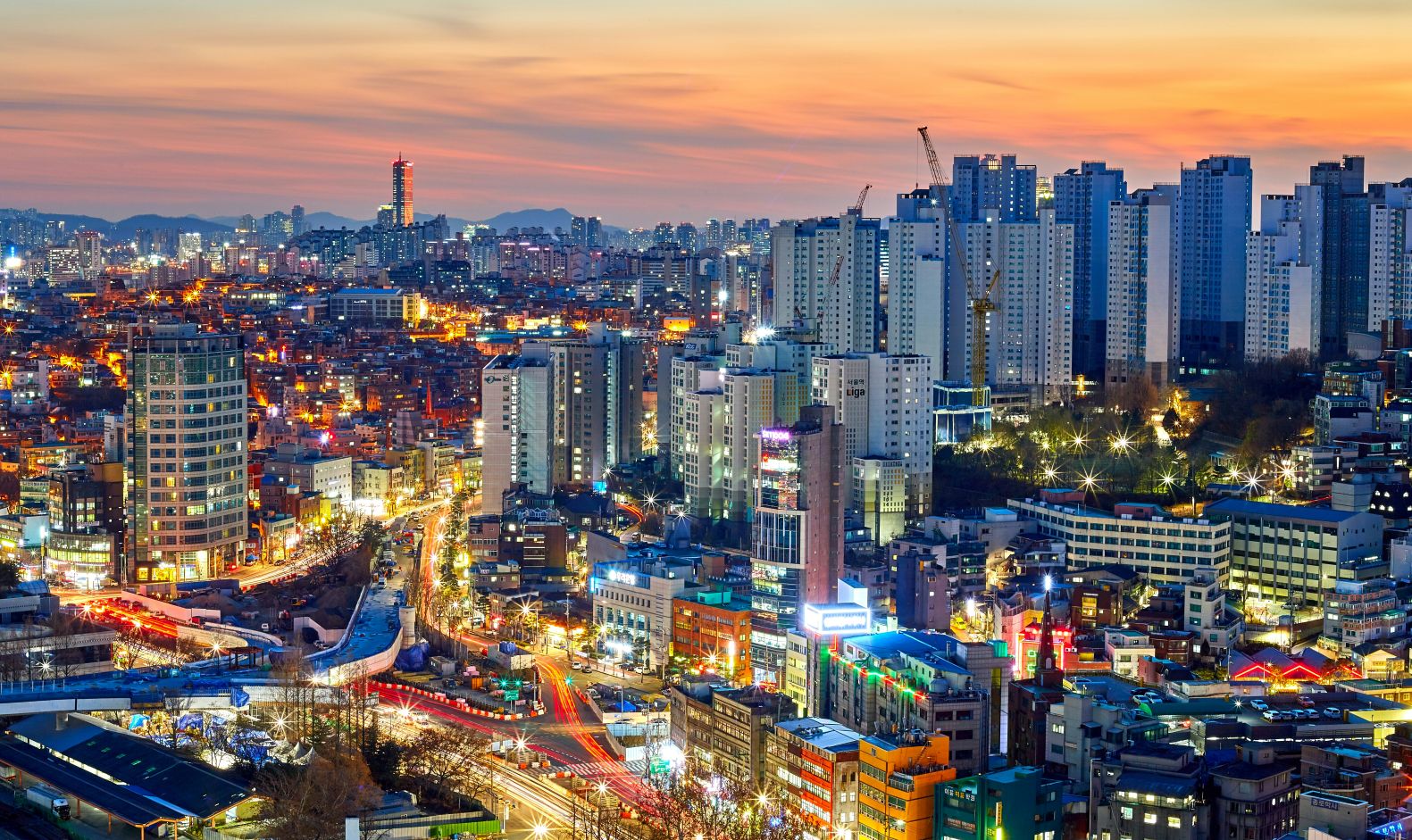



South Korea has made radical changes to its national hotel rating system in a bid to streamline the process for industry stakeholders at the same time as implementing tighter consumer protections against unfair pricing.
Effective from the beginning of July 2026, the framework entails an initial inspection by hotel evaluators who compare the hotel’s amenities and operational standards to the information submitted by its owners. Later, a secret guest review takes place to confirm hotel’s final ranking.
During the checks, different criteria are applied depending on the hotel’s existing star rating, with hotels up to three stars grouped apart from four-and five-star establishments. Safety and hygiene, fire prevention, management, data protection, and sustainability are all elements taken into consideration, but the new system’s approach to pricing practices is, perhaps, its most significant aspect.
There will be a harsher response to “establishments collecting unfair charges,” with the gouging penalty now tripled from 10 to 30 points. There will be only 100 points separating 4-star and a 5-star rating, meaning docked points could see properties losing a star.
The new measures attempt to address recent public disquiet over spikes in the cost of accommodation during major events, such as K-pop gigs by BTS in Busan, which drove 200 to 300% increases in hotel room prices.
Commenting on the new framework, Kang Dong-jin, Director General of Tourism Policy at the Ministry of Culture, Sports and Tourism, said its focus was “reducing the burden on the hotel industry while more strongly guaranteeing the safety and convenience of the public.” Encouraging stakeholders to respond positively to the overhaul, he added that the rating system should “serve as an opportunity to improve the quality of domestic hotel services.”
Hoteliers who do not agree with their rating under the new system have the option to apply for their establishment to be re-evaluated and possibly to receive a higher rating, though it is not possible to be automatically promoted from the one to-three star category to the premium segment.
One part of the sector that commentators deem unlikely to be very affected by the new framework is South Korea’s casino resort offering. Due to the cards they hold in terms of export revenue (only foreign guests are allowed to gamble there), they are mostly classed as high-end establishments.
Medical tourism providers in South Korea— a global hub for dermatology, plastic surgery, longevity work, and complex interventions attracting over two million foreign patients annually—will need to prove “medical linkage services and the provision of conveniences.” It’s a move designed to promote more specialist facilities in an exploding health and wellness travel marketplace.
If successful, the changes should make South Korean hotel ratings a more reliable guide that gives visitors and guests are clearer picture of what to expect, before they book. Tougher penalties for unfair charges may discourage sharp price hikes during major events, while greater emphasis on safety, hygiene, data protection, and guest experience could give travellers more confidence that a hotel’s star rating reflects both its facilities and the quality of service delivered on the ground.