On 12 December 2025, Ashgabat will host the International Forum dedicated to the International Year of Peace and Trust (2025), held alongside the International Day of Neutrality and the 30th anniversary of Turkmenistan’s permanent neutrality.
The timing is not ceremonial alone. The forum is anchored in the UN framework: UN General Assembly resolution 78/266 proclaimed 2025 as the International Year of Peace and Trust, emphasising trust as a foundation for international stability and cooperation, while resolution 79/274 welcomed the decision to convene this forum in Ashgabat.
From Brussels, it is easy to see “peace” and “trust” as lofty words. In practice, they translate into the harder, less glamorous work of keeping dialogue alive, creating formats for cooperation when geopolitical lines are tightening, and ensuring that development questions – energy, climate, economic stability – do not become accelerators of insecurity.
More than fifteen leaders confirmed – and a broader diplomatic ecosystem in the room
Participation has been confirmed by more than 15 heads of state and government, alongside senior delegations expected from across regions. Turkish and Central Asian representation is expected to be strong.
The forum is designed to be broader than a leader’s stage. Participation includes UN Member States, UN bodies, international organisations, research centres, and civil society representatives – a mix intended to connect political authority with expertise and societal voices.
What will actually be discussed
The forum is structured as an in-person event built around one high-level plenary and three thematic sessions, with space for bilateral meetings on the margins.
The plenary opens the political tone with the central theme: “Peace and Trust: Unity of Goals for a Sustainable Future.” From there, the programme moves to three focused tracks:
- Neutrality, peace, and trust as a basis for sustainable international cooperation
- The nexus between peace and sustainable development
- A culture of peace and dialogue, with a specific emphasis on education, youth, and humanitarian cooperation
This layout is intentional: it links security and diplomacy to the underlying drivers that often determine whether a region stabilises or fractures – opportunity, resilience, education, and the ability to cooperate.
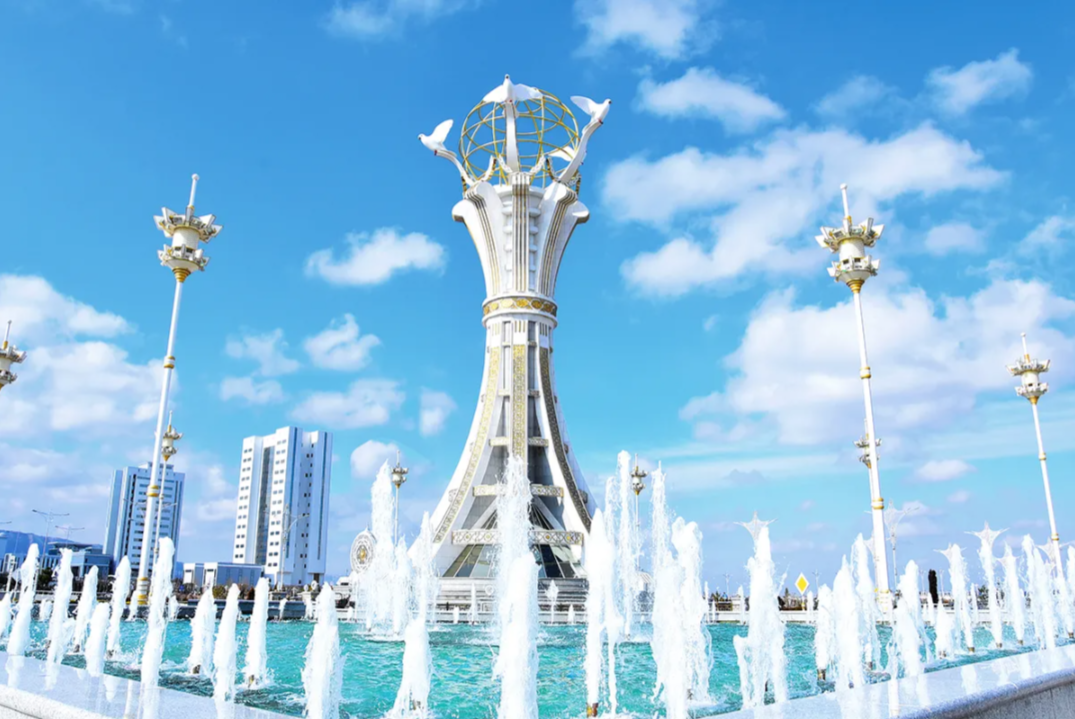
Why neutrality is being presented as a tool – not a retreat
Turkmenistan’s neutrality is framed as an active foreign-policy identity rooted in peaceful coexistence, conflict prevention, peaceful settlement of disputes, and non-participation in military alliances – a set of principles Turkmen diplomacy argues can help strengthen trust and mutual understanding.
In other words, neutrality here is not silence. It is an attempt to widen diplomatic space – a place where dialogue can happen when other channels are blocked, and where shared interests (humanitarian cooperation, sustainable development, regional connectivity) can be insulated from the shockwaves of great-power rivalry.
Expected outcomes
The forum is set to conclude with the adoption of a Final Document and the development of proposals for further international events – signalling an effort to build continuity beyond a single summit day.
That matters because the credibility of “peace and trust” diplomacy is always measured the same way: by what happens next. Do delegations establish working-level processes? Do they agree to keep technical cooperation moving even when politics are tense? Do researchers and civil society leave with partnerships that outlast the headlines?
That matters for Europe too. The EU has publicly welcomed strengthened regional cooperation in Central Asia and noted Turkmenistan’s initiatives connected to peace and trust in the official EU language following EU–Central Asia engagements.
How the forum is viewed: optimism about dialogue
From a European perspective, the Ashgabat forum lands at a moment when the continent is navigating hard questions about security architecture, strategic dependencies, and the resilience of multilateralism. It is also a reminder that Central Asia is no longer peripheral to these debates: it sits at the crossroads of energy, transport, climate vulnerability, and regional security dynamics.
The forum’s promise is “diplomacy as infrastructure”: building routines of dialogue that reduce the risk of miscalculation, and creating practical cooperation on development and humanitarian priorities – areas where trust can be constructed, step by step. For Turkmen diplomacy, the intent is clear. Neutrals, as the organisers argue, are not meant to be silent bystanders; they can be useful conveners – hosting conversation when others cannot share a table, and keeping channels open when politics pushes them shut. That is the wager Ashgabat is making this December.