In a landmark announcement, Angola, nestled on Africa’s southwest coast, has been confirmed as the Official Host Country for ITB Berlin 2026. The agreement between Angola’s Ministry of Tourism and Messe Berlin marks a bold new chapter for both parties, coinciding with the sixtieth anniversary of the world’s leading travel trade show. From 3 to 5 March 2026, Angola will enjoy a global platform to present its tourism assets, cultural richness, and natural treasures to the international travel industry.
A strategic partnership for ITB Berlin sixtieth anniversary
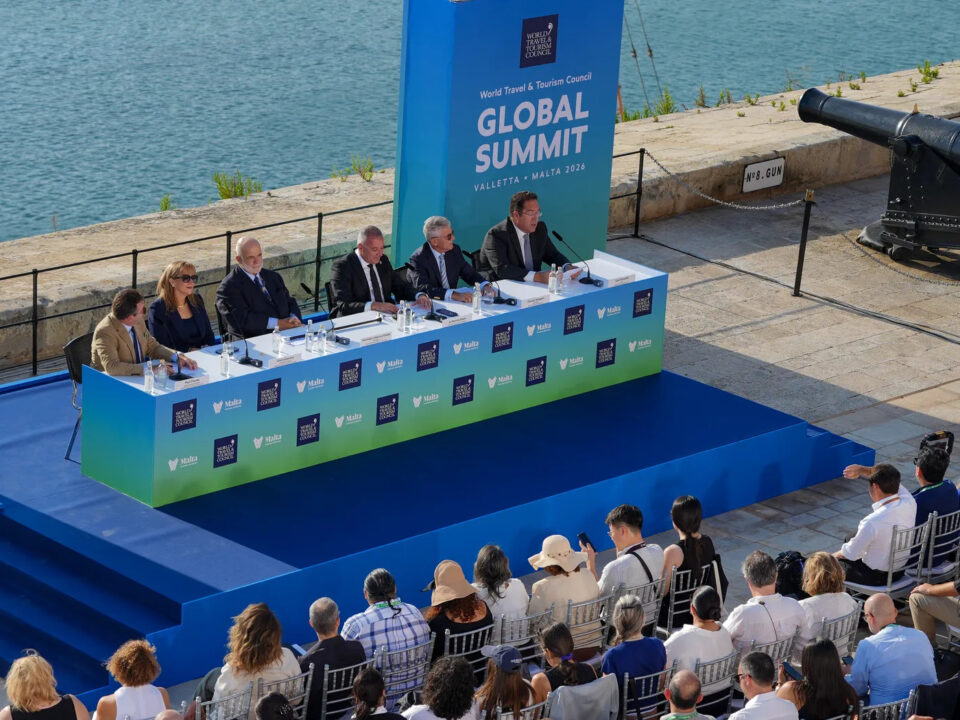
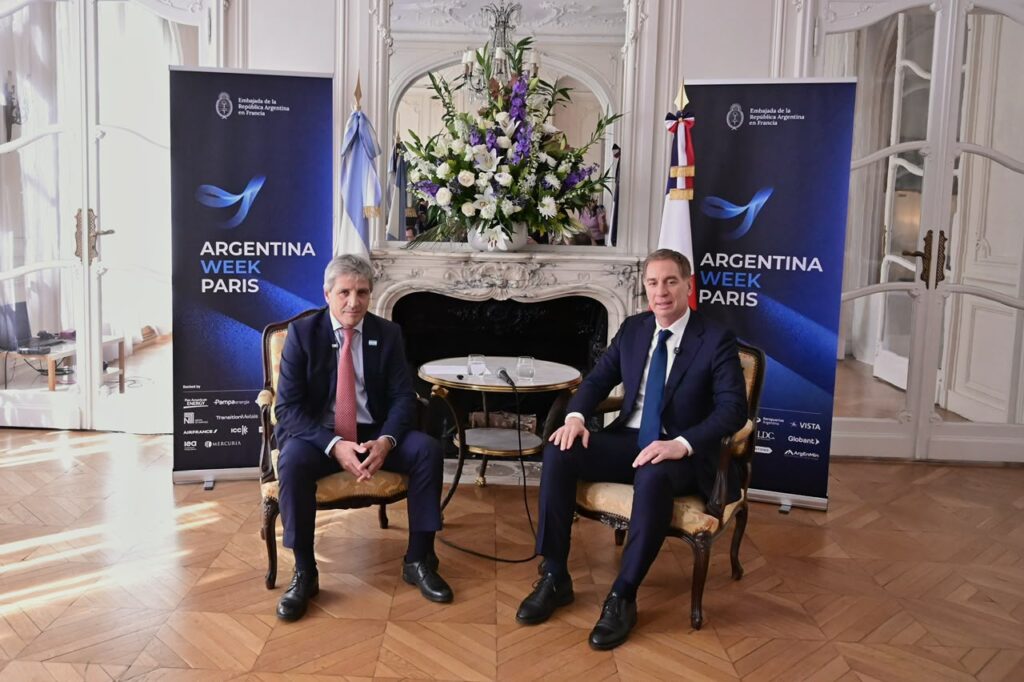
At a formal signing ceremony, Márcio de Jesus Lopes Daniel, Angola’s Minister of Tourism, and Dirk Hoffmann, COO of Messe Berlin, put pen to paper on the partnership that will define the 2026 edition of ITB Berlin. “We are delighted that Angola is the official host country of ITB Berlin 2026,” said Minister Daniel, emphasising that the accord offers “a unique opportunity to showcase the country’s diversity, culture, and natural beauty on one of the world’s most important platforms.”
The new national branding “Visit Angola – The Rhythm of Life” is central to Angola’s pitch. Through it, the Ministry intends to evoke a sense of vibrancy, authenticity, and sensory richness, inviting the global travel trade to experience Angola with all their senses.
From the ITB side, Hoffmann said the partnership “once again highlights ITB Berlin’s role as a platform that supports destinations in making their tourism potential visible on the world stage.” He called Angola a “multifaceted country” whose presence as the host for the 60th anniversary would be a “special honour.”
Also present at the signing was Julia Kleber, CEO of the Kleber Group and official representative of the Angola Tourism Board. She painted a vivid picture of what visitors might expect: “fascinating contrast of wild coasts, impressive desert landscapes, majestic waterfalls and ancient rock formations … full of energy, diversity and warmth.” Kleber stressed that the role of the official tourism board gives Angola a rare chance to lift its international profile and assert itself as a truly fresh and authentic African destination.

Angola on the stage at ITB Berlin 2026
As the host country, Angola will mount a comprehensive and ambitious presence at ITB Berlin 2026. The programme will officially kick off with an opening gala on 2 March at Berlin’s CityCube, preceding the three-day trade show. During the event (3–5 March), Angola will curate exhibitions, cultural performances, and immersive experiences reflecting its “Rhythm of Life” motif.
In many ways, 2026 will be a moment not just for celebration but for reflection on the trajectory of global tourism. ITB Berlin has grown since its founding in 1966 to a global brand, with satellite events in Asia, China, India, and, from 2026, the launch of ITB Americas. The 60th edition promises to unite past, present, and future in one platform.
From Albania to Angola
Each year, ITB Berlin designates a host country that enjoys special visibility during the fair. In 2025, Albania held this role, captivating visitors with its “All Senses” theme and immersive cultural programme. Following in its footsteps, Angola now steps into the spotlight as the next invited country, ready to showcase the diversity and dynamism of the African continent. The transition from Albania to Angola illustrates ITB Berlin’s commitment to highlighting emerging destinations with strong tourism potential.
Africa’s hidden gem is ready for the spotlight
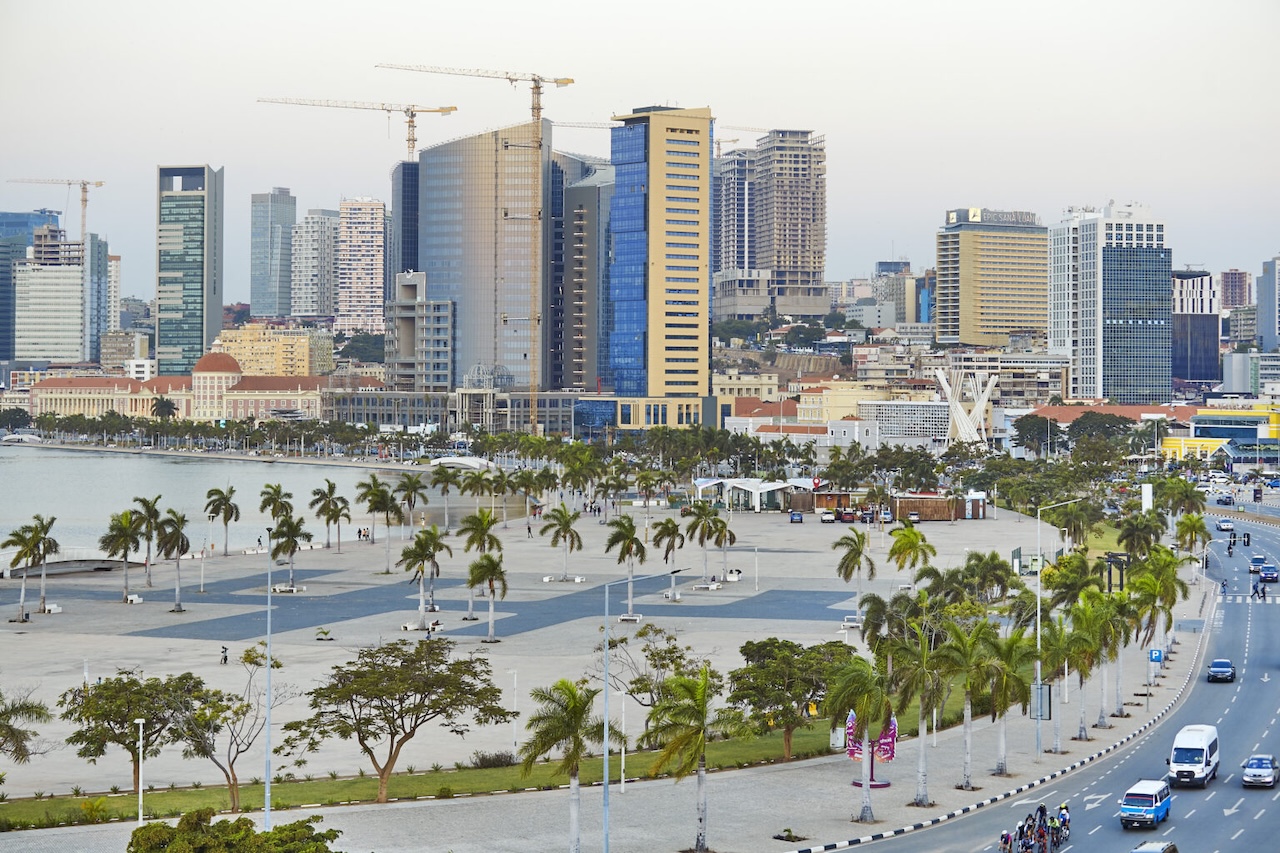
Angola is, in relative terms, still underexplored in global tourism discourse, yet its potential is compelling. Its geography is richly varied, with a long Atlantic coastline, arid deserts, verdant interior plateaus, river valleys, and cascading waterfalls. One of its signature protected areas is Iona National Park, its oldest and largest, situated in the southwest Namibe region. Iona is characterised by shifting dunes, rugged escarpment,s and scattered lagoons, and is now undergoing restoration and biodiversity initiatives.
The local music, dance, and cultural traditions are equally vivid, reflecting a tapestry of indigenous heritages and Portuguese influence. Under the “Rhythm of Life” branding, Angola hopes to lean into its intangible cultural assets as much as its physical ones.

From an economic perspective, Angola’s tourism sector is still relatively small by global standards, but recent data suggest momentum is building. In 2023, the sector reportedly generated US $667 million in receipts, supporting over 100,000 direct jobs, and infrastructure investments, such as a new convention centre, are underway. Meanwhile, a visa exemption policy introduced under Presidential Decree No. 189/23 has eased access by enabling citizens of 98 countries to enter more freely. An important signal of policy intent to loosen barriers to tourism.
On the arrivals front, data remain sparse, but historical numbers offer context. In 2019, Angola recorded around 218,000 international arrivals, which gives a sense of scale compared to more established destinations. In 2022, the country received nearly 130,000 tourists, around 40% lower than pre-pandemic levels. These modest numbers underscore both the challenge and opportunity: Angola must deliver a strong showcase in Berlin to catalyse interest and bookings. The traction it achieves could drive new flight routes, tour packages, investment in hospitality, and cross-border collaborations.
Challenges and opportunities ahead
The road to ITB 2026 will require deft coordination. Logistically, Angola must develop exhibitor displays, cultural performances, media campaigns, and destination marketing content, all on schedule and to a standard expected on a global stage. Internally, infrastructure improvements in transport, lodging, signage, and tourism services must keep pace with any uptick in demand.
At the same time, Angola has a relatively blank canvas. Fewer entrenched tourism narratives give it freedom to shape perceptions anew. With the support of the international travel trade, bilateral promotion, airline partnerships, and sustainable development strategies, Angola can move from a hidden gem to a destination on the rise.