

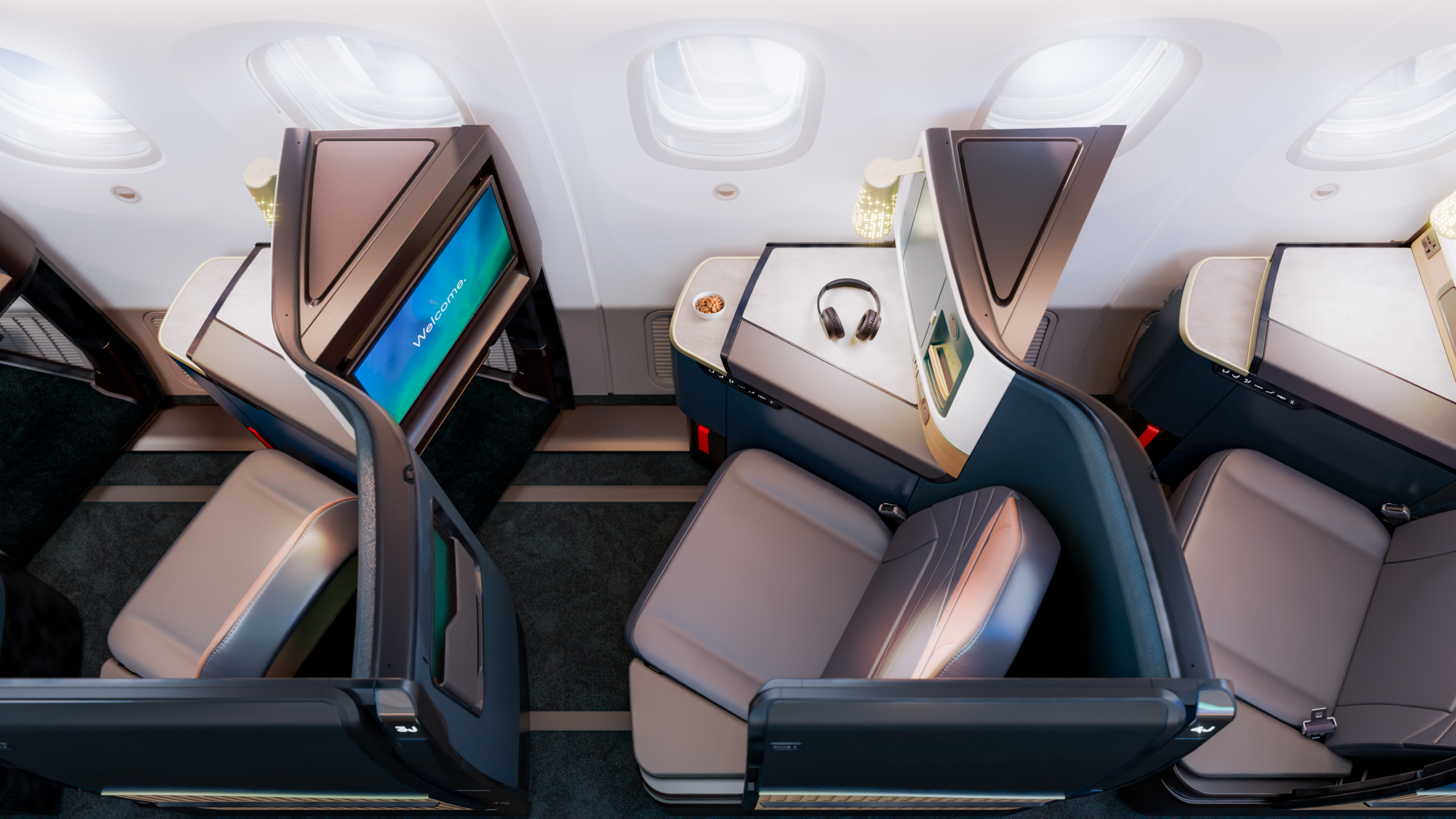
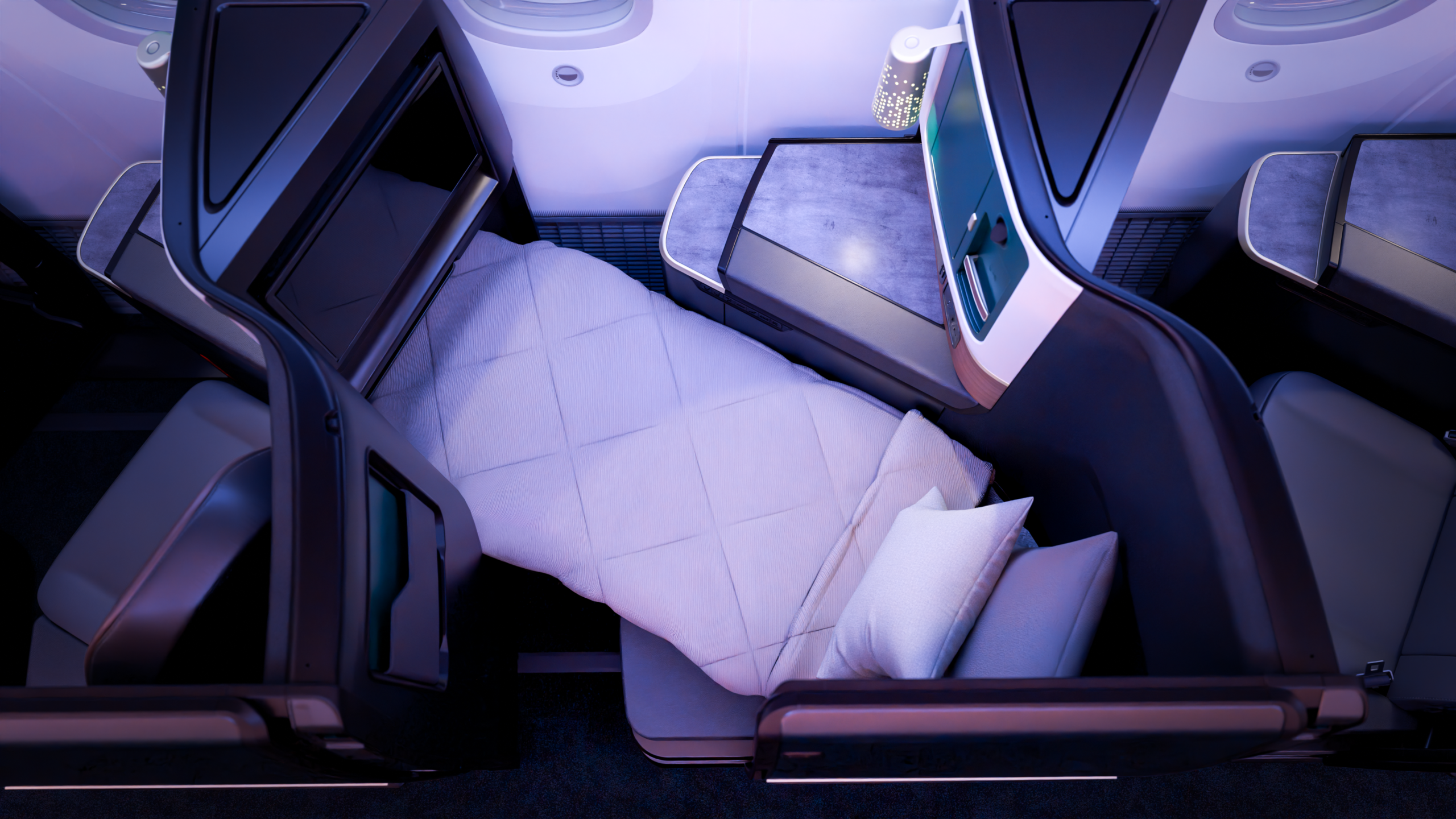
Alaska Airlines plans to introduce lie-flat suites on selected US coast-to-coast routes from 2028 as part of a wider investment in premium travel. The airline intends to install 12 Aurora Suites on each of at least 25 Boeing 737 MAX 10 aircraft. These seats can turn into flat beds, allowing passengers to lie down during their journey. The plans would bring another option for travellers willing to pay more for comfort on longer domestic flights. Alaska Air Group expects its investment in premium cabins and airport facilities to increase earnings as high fuel costs put pressure on profits.
The group will also introduce Premium Reserve, a premium-economy cabin, on Boeing 787s, Hawaiian Airlines’ Airbus A330s and selected MAX 10s from 2028. Premium economy generally sits between standard economy and business class, offering an intermediate option for passengers seeking greater comfort. Alaska says the seats will be wider than those in standard economy, with greater recline and leg and calf rests. Passengers will also have 16-inch entertainment screens, charging points and upgraded dining. Premium Reserve and Aurora Suites are separate products, and their availability will depend on the aircraft and route.
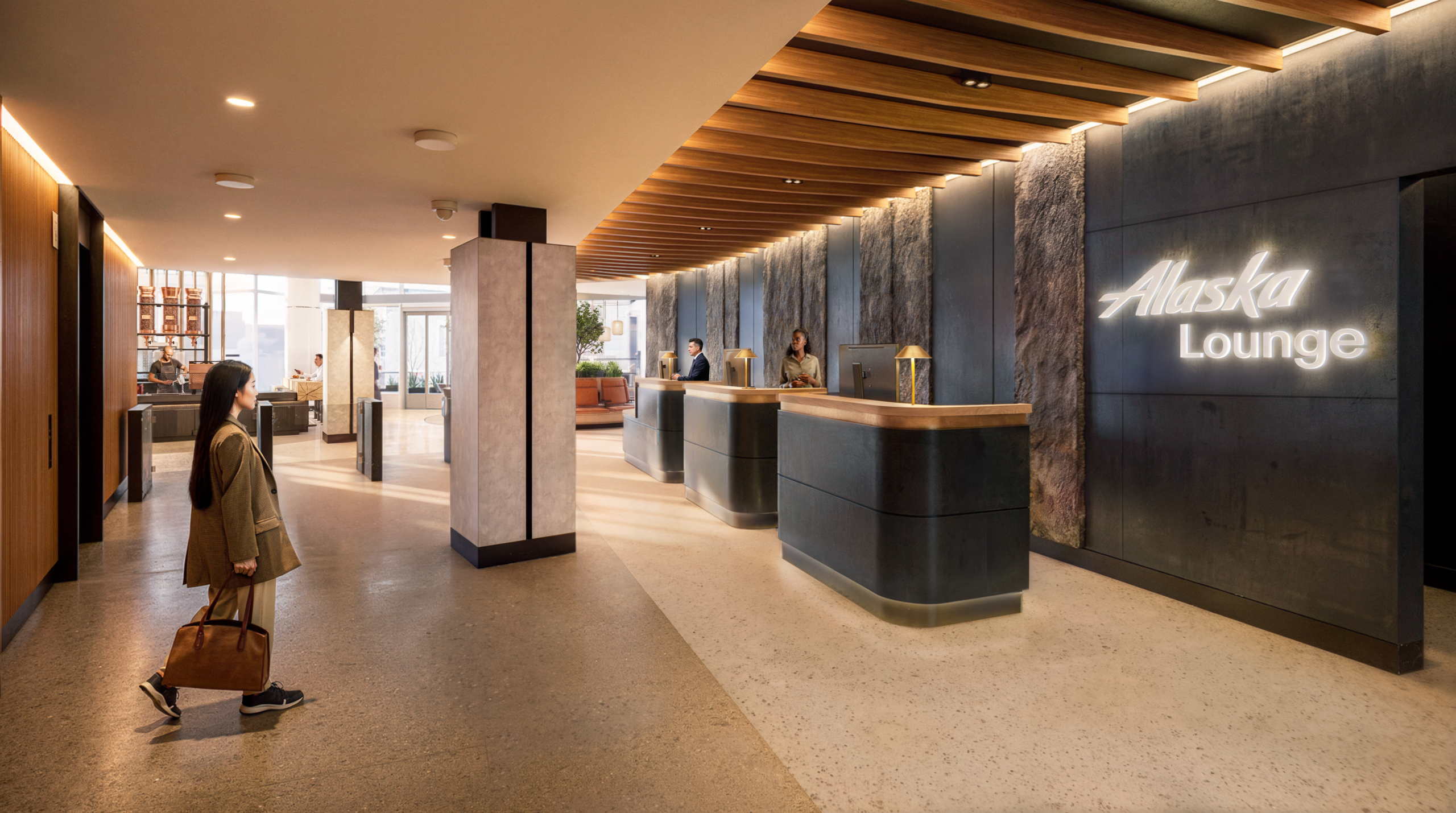
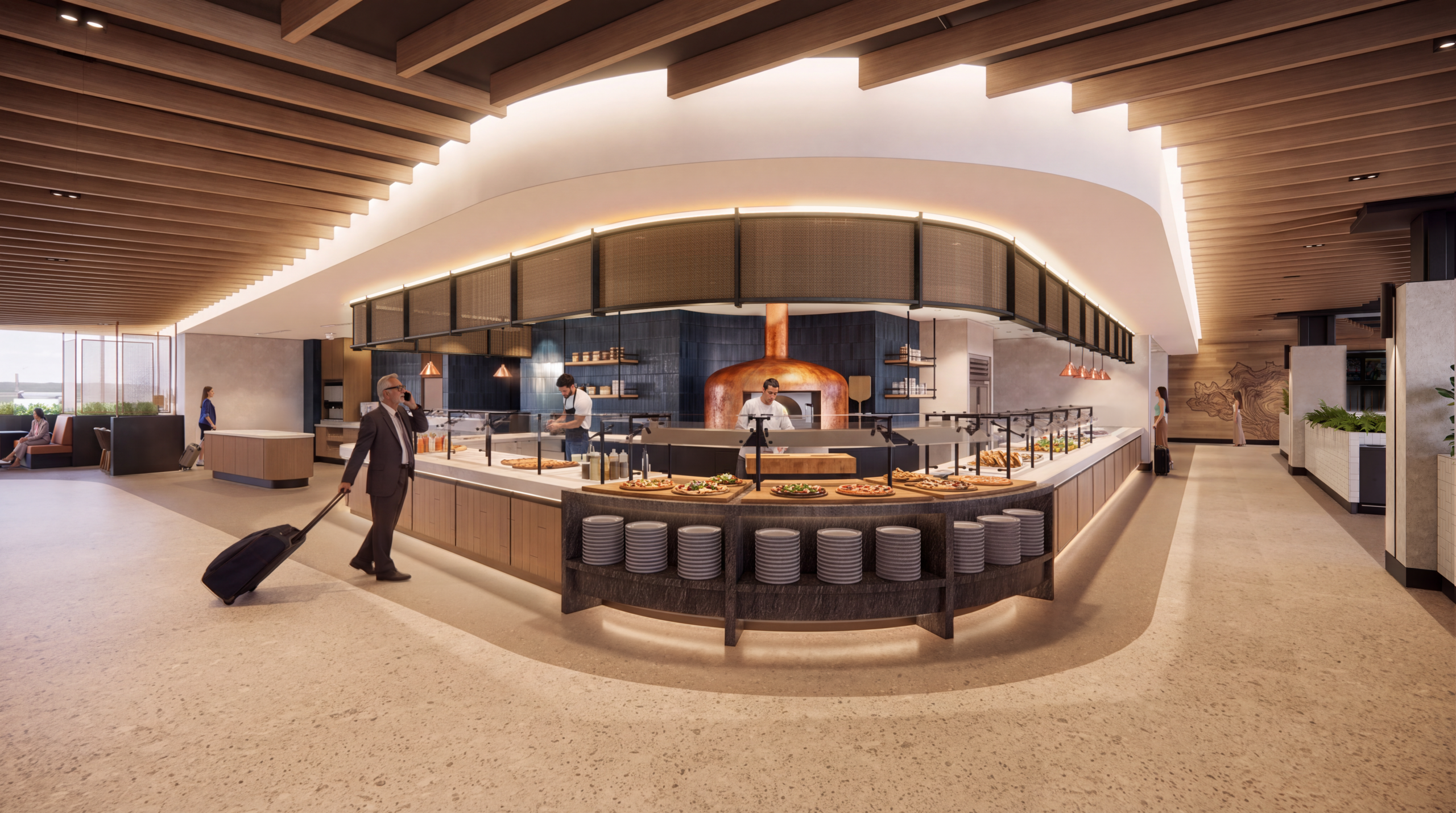
The investment extends to the airport, with new lounges planned for Seattle, Honolulu and San Diego. Airport lounges provide a separate space where eligible passengers can sit, work or have refreshments before departure. Seattle’s new facilities are scheduled to open in late 2027, with connected Alaska Lounge and Aurora Lounge spaces. The Aurora Lounge will serve Aurora Suites passengers travelling on intercontinental flights and offer showers and meals prepared to order. Hawaiian’s new Honolulu lounge is planned for early 2028, with private workspaces, locally inspired food and a full-service bar. A new Alaska Lounge in San Diego is also scheduled to open in 2028.
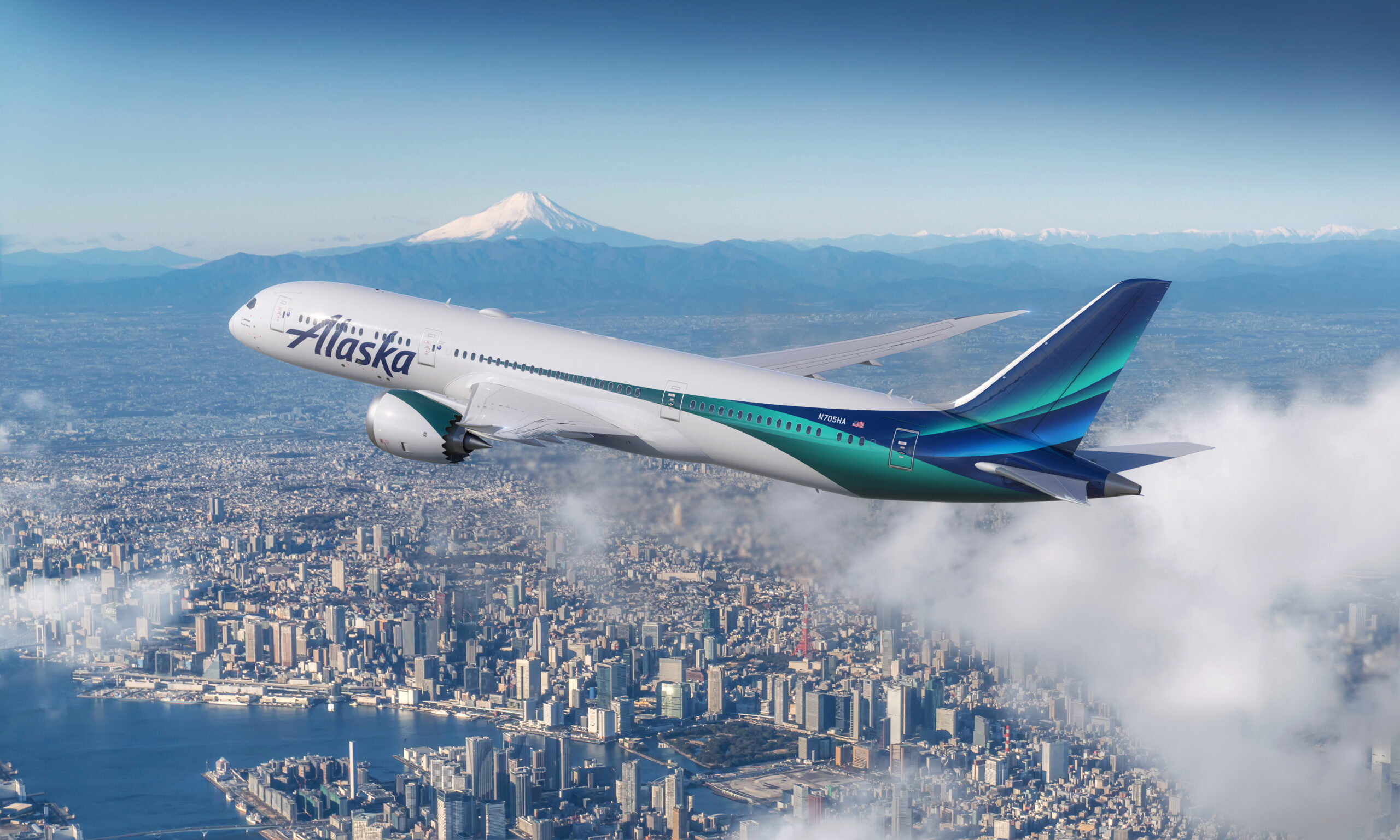
Alaska’s acquisition of Hawaiian Airlines in 2024 helped create the conditions for this expansion. The deal brought widebody aircraft, which have two passenger aisles, and a larger network across the Pacific into the group. Those aircraft and connections support its ambitions to develop more international services. Alaska now aims to serve 15 long-haul international destinations from Seattle by 2030, increasing its previous target of 12. The cabin investments are therefore part of a broader change in both where the group flies and what it offers passengers along the way.
Alaska is making these changes as US airlines compete for passengers prepared to spend more on their seats. Domestic premium seat capacity in June was 27% above its 2019 level, according to Visual Approach Analytics figures cited by Reuters. That represents almost three times the pace of growth recorded for economy seating. Adding more premium seats carries a risk, however, if demand does not grow quickly enough to fill them at the fares airlines expect. An excess of seats could put pressure on prices. Alaska’s estimates assume “a pretty steady rate of demand”, said Shane Tackett, the group’s president and chief financial officer, in an interview with Reuters.
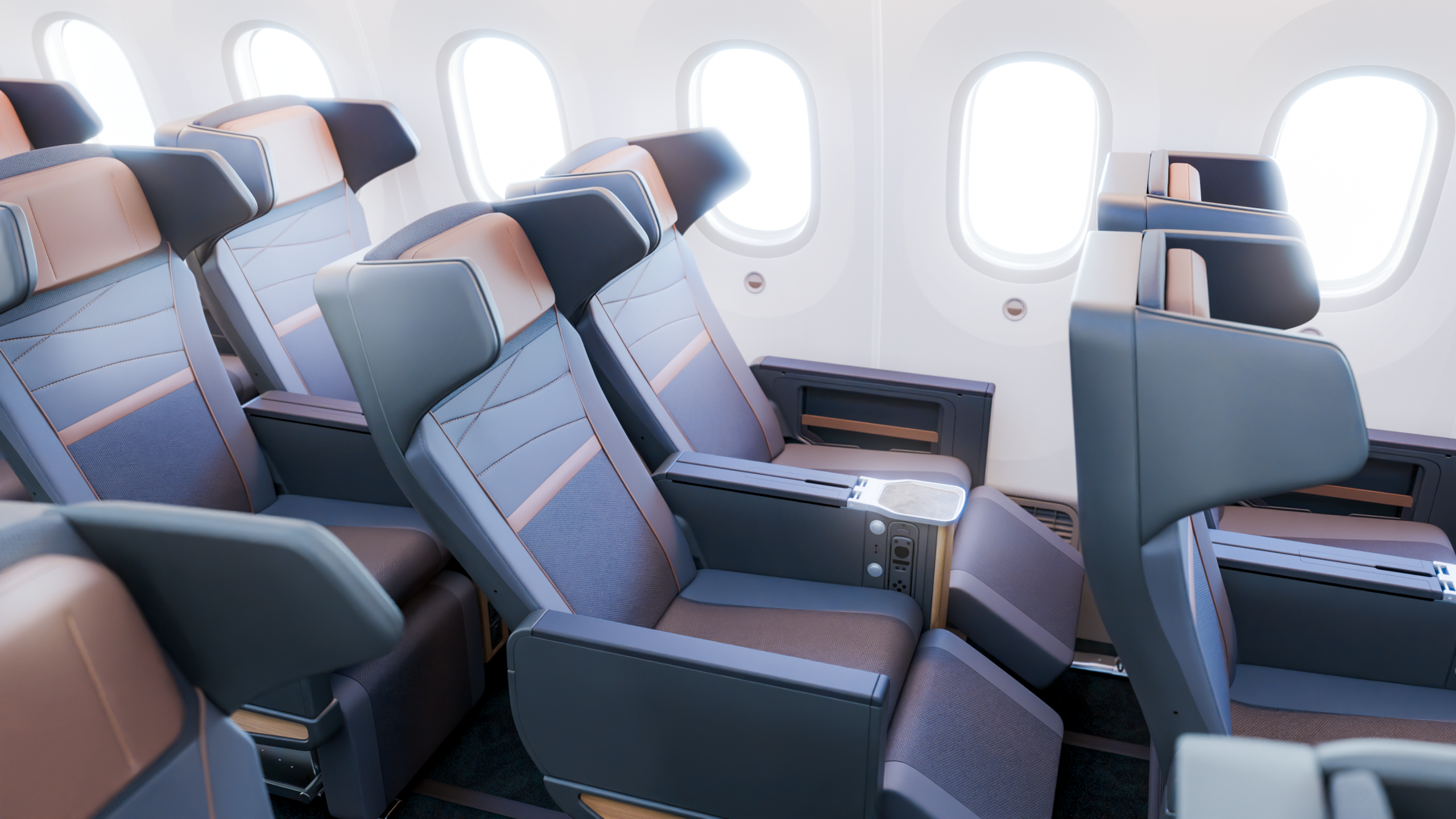
Tackett said the investments could lift profit margins by two to three percentage points within a couple of years. A higher profit margin means the airline keeps a larger share of its revenue as profit. Fuel prices remain a major uncertainty, and Alaska withdrew its annual earnings forecast in April after costs rose sharply. Tackett also stopped short of reaffirming the 2027 deadline for the group’s longer-term earnings target. “Whether that happens in 2027, or a bit later, it will be highly dependent” on fuel prices and the broader economy, he told Reuters.
Alaska Air Group is unveiling the next phase of Atmos™ Rewards, the award-winning loyalty program for Alaska Airlines and Hawaiian Airlines, with more ways for members to earn, engage and access value.https://t.co/cemk0aR2hC
— Alaska Air Group News Hub (@AlaskaAirNews) September 29, 2026
The group is also developing its loyalty business, with an Atmos debit card planned for early 2027. It aims to increase annual cash payments from banks and other loyalty programme partners by 2030. These commercial partnerships form another part of its plans to grow revenue alongside ticket sales. Tackett said international flights and premium products from Seattle were essential to retaining customers and strengthening their loyalty. “This is a must-do for us,” he said.