


If you, or someone you know, happened to be at Philadelphia International Airport between 7:25 pm on Sunday, 13 September and 12:05 am on Monday, 14 September, you may have been exposed to measles.
The disease, long gone from our radars thanks to global vaccination programmes, has shown its ugly face again in several countries recently, including the United States, where two separate possible measles exposures were reported within days of each other in Philadelphia.
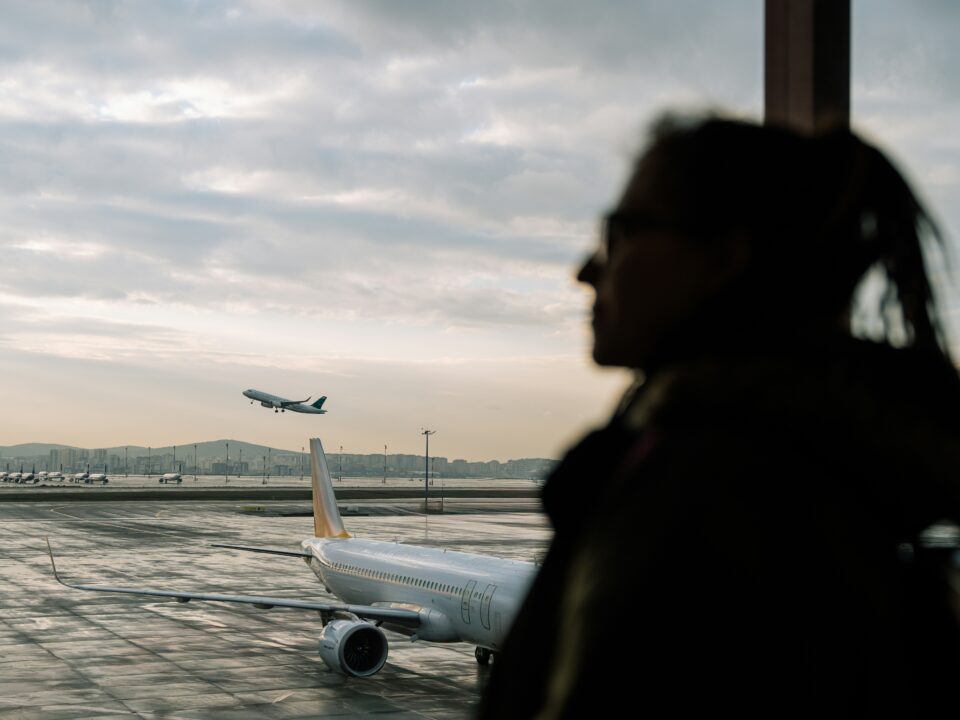
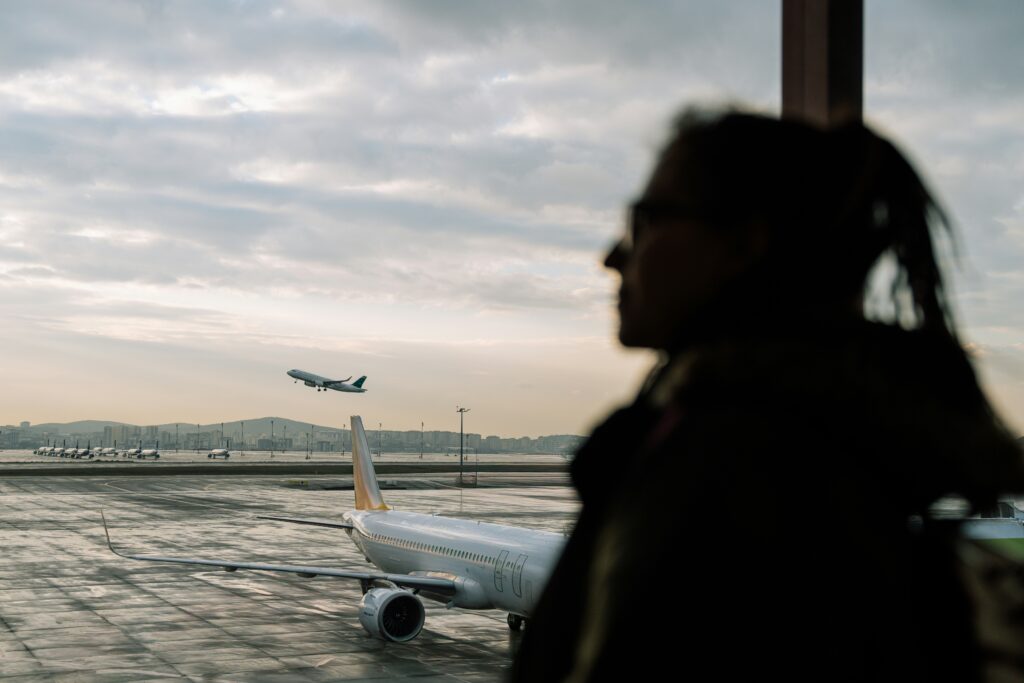
The latest took place in the airport’s Terminals B and F, and in areas connecting to Terminal C, D and E, according to the Philadelphia Department of Public Health.
It involved one individual with measles who was travelling through the city but did not leave the airport. Health authorities are urging anyone who was in the vicinity at the time to check their vaccination status and watch for symptoms.
Early symptoms include fever, cough, a runny nose and red, watery eyes, followed a few days later by a rash that typically starts on the head before spreading to the rest of the body. Symptoms can appear up to 21 days after exposure.
The good news is that most people recover. Measles can, however, cause serious complications, including pneumonia and brain inflammation, and can be fatal.
The virus is highly contagious and spreads through the air when an infected person coughs, sneezes, or merely breathes. The air then remains infected for up to two hours after that person has left.
#DYK? If one person has measles, up to 9 out of 10 people nearby can become infected if they are not protected!
— Philadelphia Public Health (@PHLPublicHealth) September 23, 2026
Learn more about protecting yourself and loved ones from measles by getting vaccinated: https://t.co/6E1u22mPNd. pic.twitter.com/AVCOHaJ6cd
The airport incident followed another possible exposure at the Children’s Hospital of Philadelphia (CHOP), which occurred on 11 September, and was announced six days later.
CHOP and the Pennsylvania and Philadelphia health departments said they were “working closely to ensure that potentially exposed infants receive a preventative antibody product to prevent or lessen severe disease and to take steps to prevent the further spread of measles”.
Following the airport exposure, Philadelphia Health Commissioner Dr Palak Raval-Nelson called the two incidents “a reminder of how important it is… to be up to date on our vaccinations”.
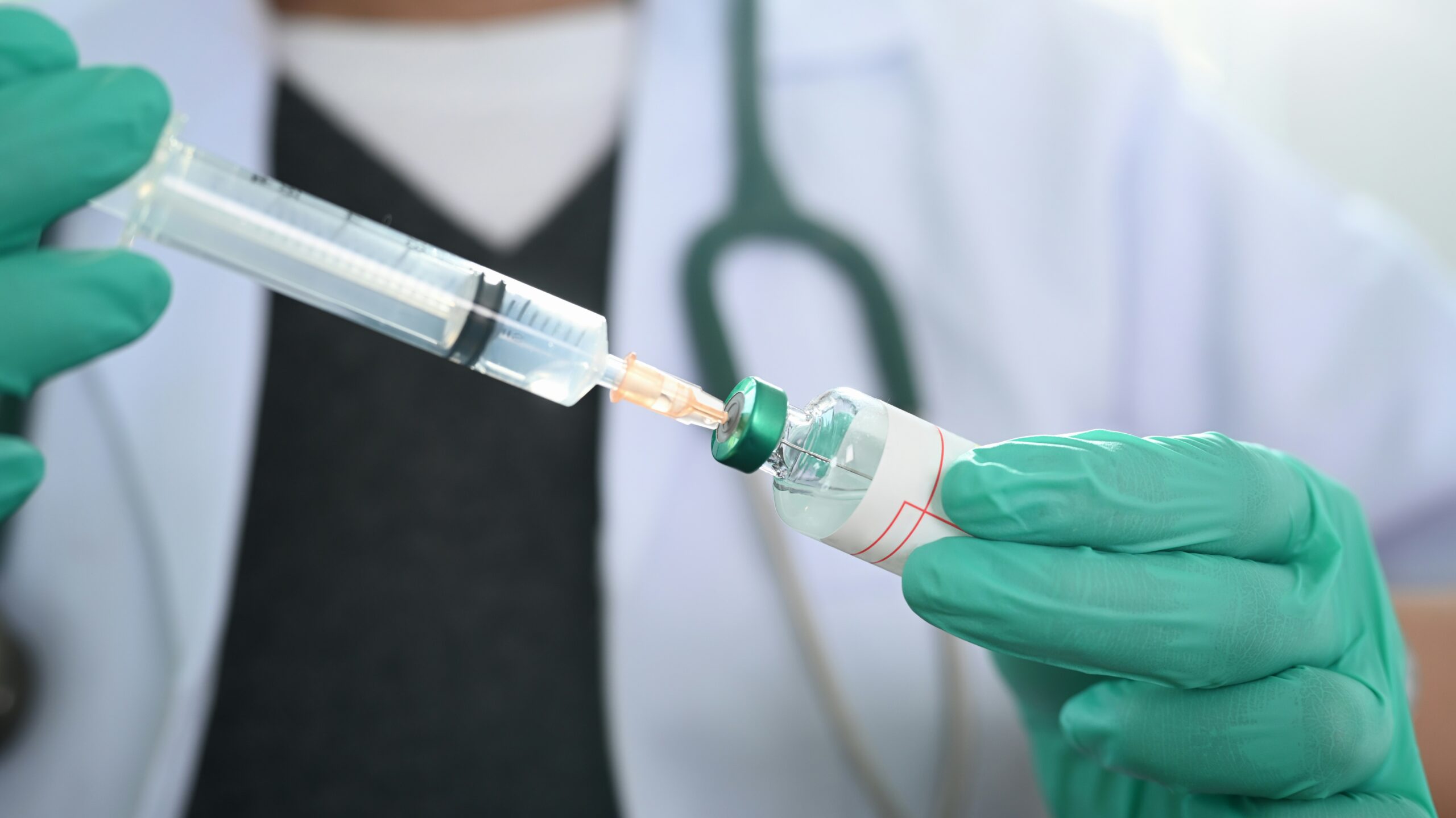
People who are fully vaccinated against measles have little to fear. Two doses of the measles, mumps and rubella (MMR) vaccine provide 97% lifetime protection.
Those who may have been exposed and are unvaccinated, unsure about their vaccination status, pregnant, or immunocompromised should contact their doctor.
“Some people may still be eligible for treatment after exposure that can prevent measles or reduce the severity of illness,” the Health Department wrote. “Anyone who develops symptoms should call ahead before visiting a healthcare facility and tell the provider about the possible measles exposure.”
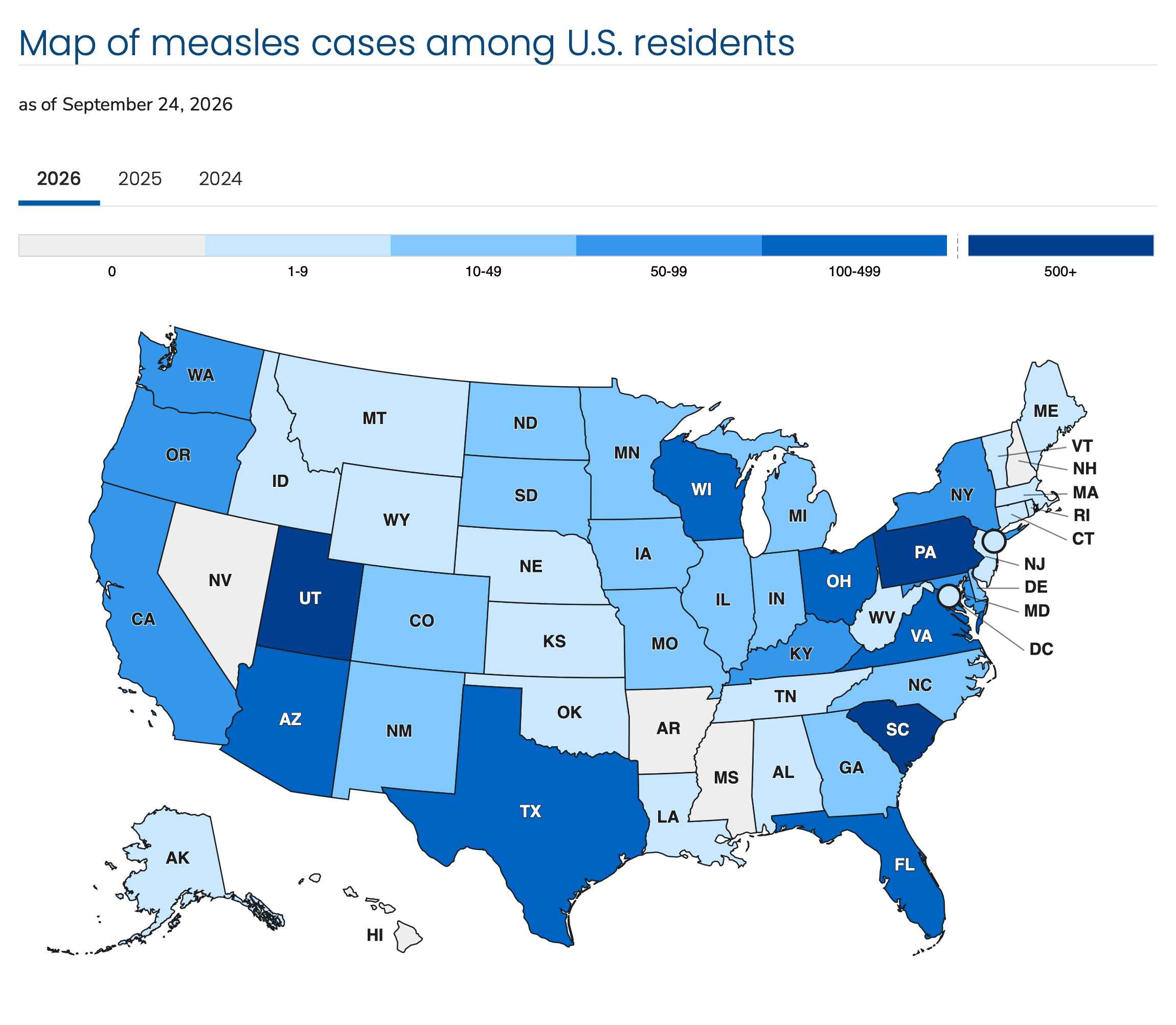
The Philadelphia incidents come amid a sharp rise in measles infections in the United States.
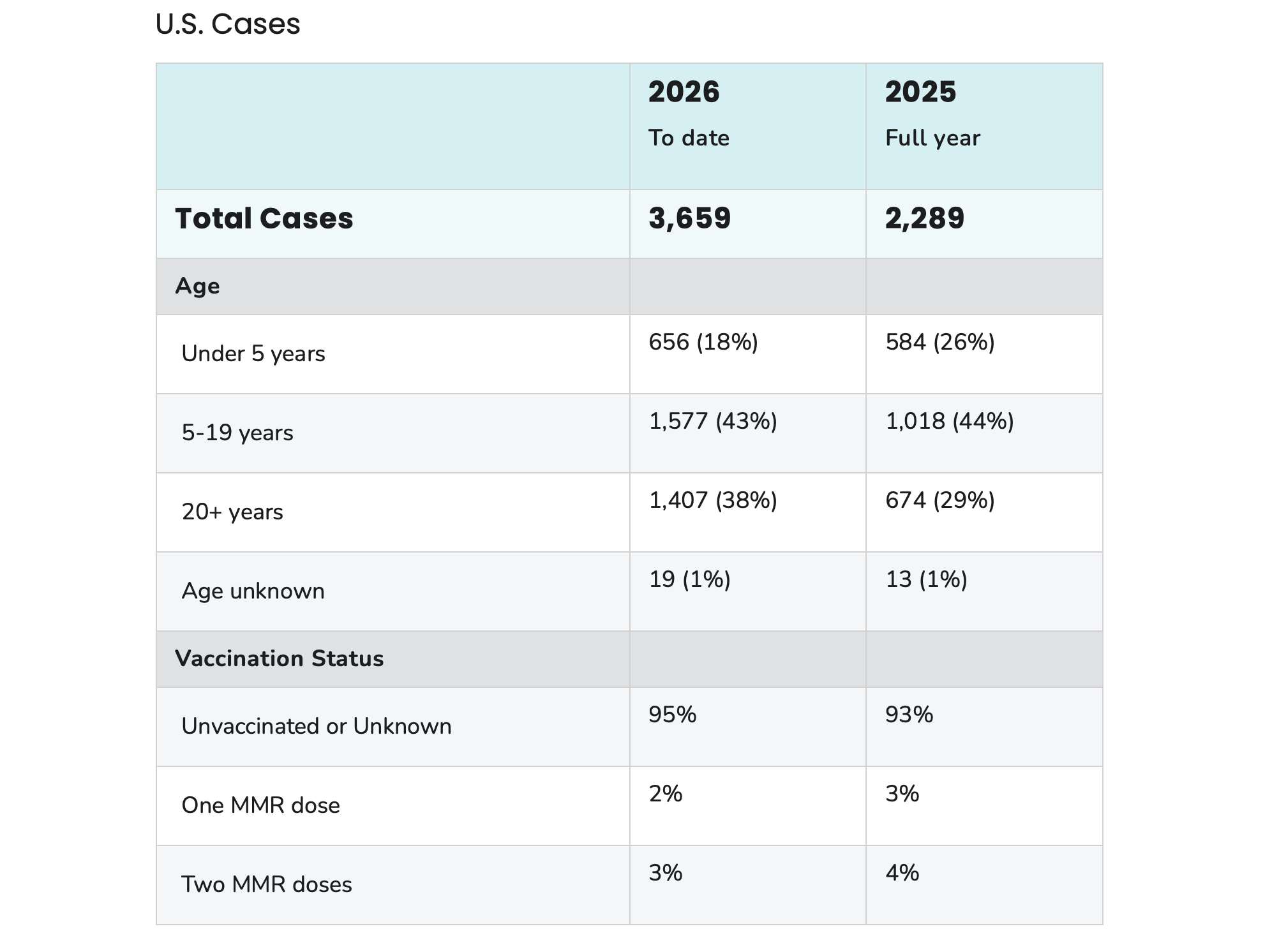
As of 24 September, the US Centers for Disease Control and Prevention (CDC) had recorded 3,659 confirmed measles cases in 2026, compared with 2,289 during the whole of 2025. Forty new outbreaks were reported in 2026, with 95% of confirmed cases associated with outbreaks.
Pennsylvania is the worst hit, with 903 cases this year, up from 48 in 2025, and four deaths, according to state figures. It is followed by South Carolina, with 670 cases compared with 333 the year before, while Utah has also recorded hundreds of cases.
Texas, Virginia, Wisconsin, Florida, Ohio and Arizona have also each recorded more than 100 cases.
CDC reports cases in 47 jurisdictions; only a handful of US states have so far escaped the resurgence.