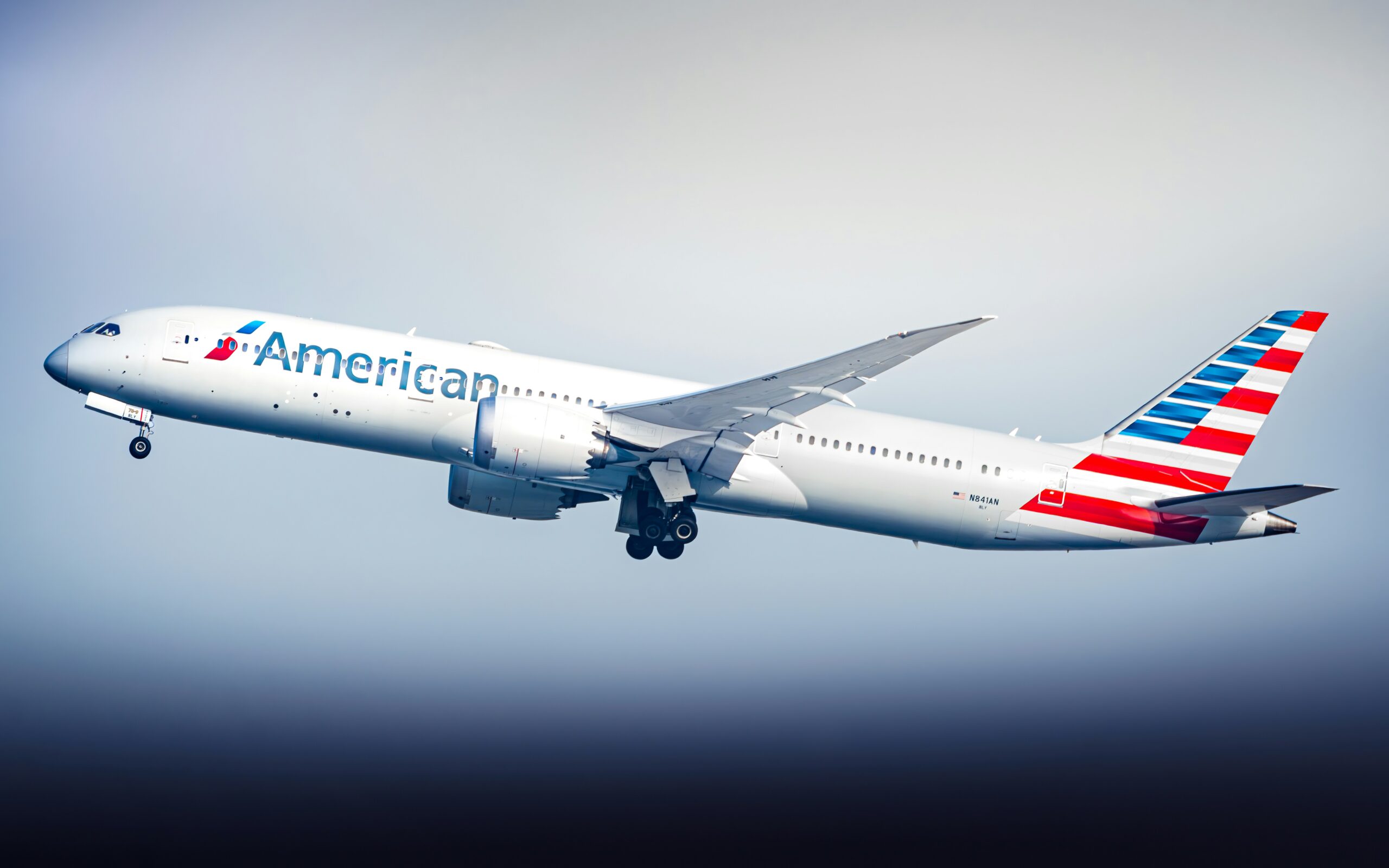



American Airlines is introducing an app feature that monitors seat availability after booking and automatically moves eligible solo passengers when a seat matching their stated preference becomes free.
The tool is designed to remove a familiar pre-flight chore: repeatedly reopening the seat map in the hope that a window or aisle seat has appeared. Eligible AAdvantage members can record their preference after completing a booking; the app then checks availability, changes the assigned seat when a match is found, and sends a notification.
For customers, the immediate advantage is handing an annoying task back to the airline. The feature can operate until 24 hours before departure and is limited to AAdvantage members travelling alone on a reservation with an assigned seat. Moves remain within the booked cabin and do not trigger an extra charge. American also says the system will not place a traveller in a higher-priced paid seat, even if that seat fits the customer’s criteria. That keeps the experience predictable and ringfenced.
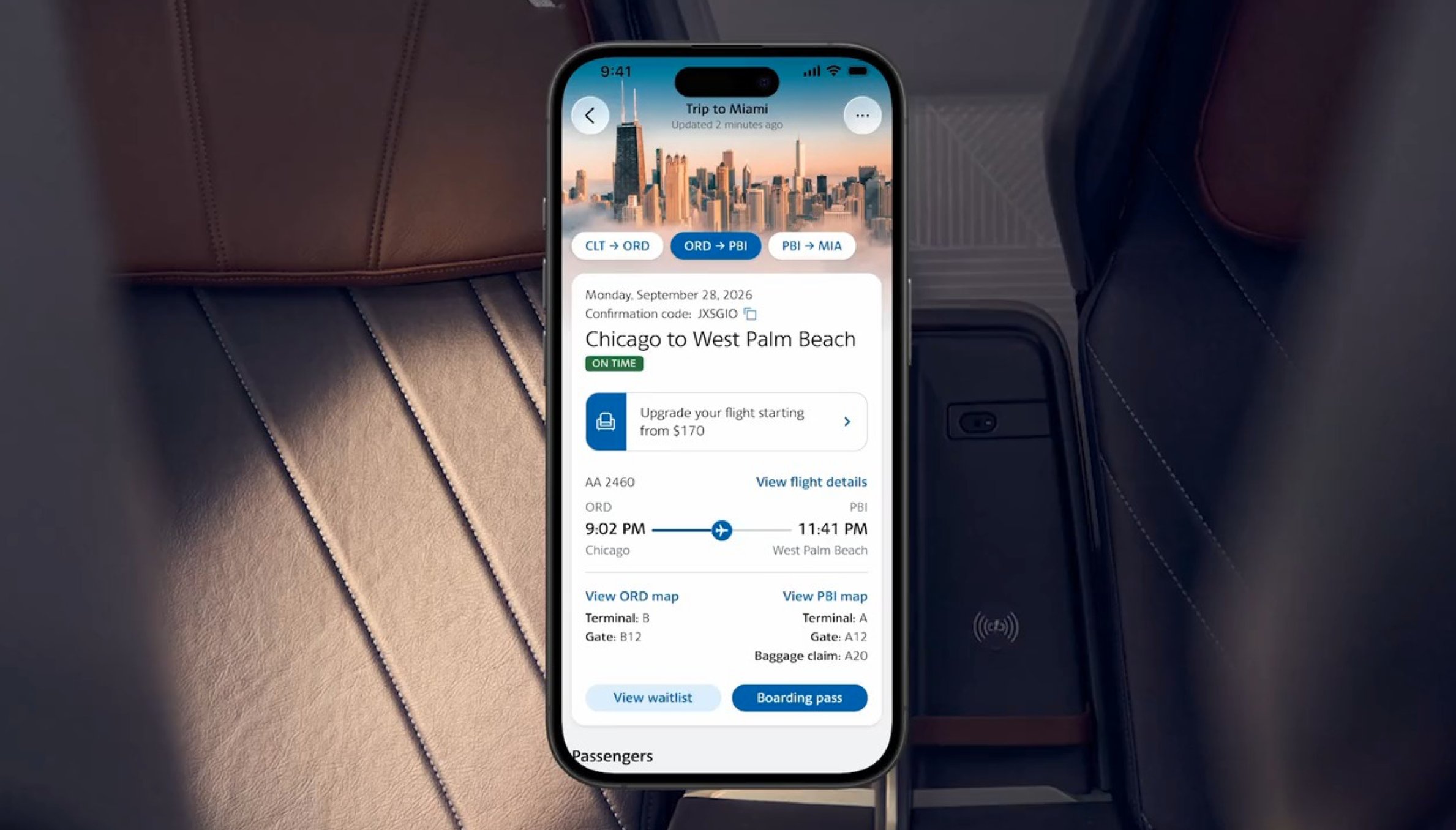
American’s chief customer officer, Heather Garboden, described the launch as a way to give travellers more control and reduce hassle. The proposition is strongest for a passenger stuck in a middle seat who would otherwise need to keep manually checking whether something better has freed up. It may also reduce uncertainty in the days before departure, when different seats can re-enter inventory as other customers change plans. However, the existence of the new app function does not guarantee access to a preferred seat: the outcome still depends on a suitable, eligible place becoming available.
The launch arrives as airline apps are evolving from digital boarding-pass wallets into active trip-management tools. Current industry analysis identifies automation, personalisation, and AI-assisted service as major aviation customer-experience priorities in 2026. Future Travel Experience argues that the sector’s emphasis is shifting from innovating technologies to making them work reliably in live operations. American’s seat monitor fits that pattern: it applies automation to a modest but common source of friction, rather than asking customers to engage with another complex interface.
It also reflects a competitive tension in today’s airline marketplace. Seat selection has become an important paid ancillary, yet travellers increasingly expect app-based servicing to feel seamless and personalised. By restricting automatic moves to cost-neutral seats in the existing cabin, American protects the paid-seat structure while offering a useful loyalty benefit. The airline gains another reason for customers to join AAdvantage, book directly and keep notifications switched on; passengers receive a service that can improve comfort without an additional transaction.
The feature was developed through American’s two-year ADEPT programme for early-career technology talent. According to the airline, the team used AI-enabled tools during design and development, but the customer-facing function is straightforward: monitor, match, and notify. That restraint may be the point. In a market where digital promises can outpace operational delivery, a narrowly defined service with an immediately understandable benefit could prove more valuable than a showier piece of technology.