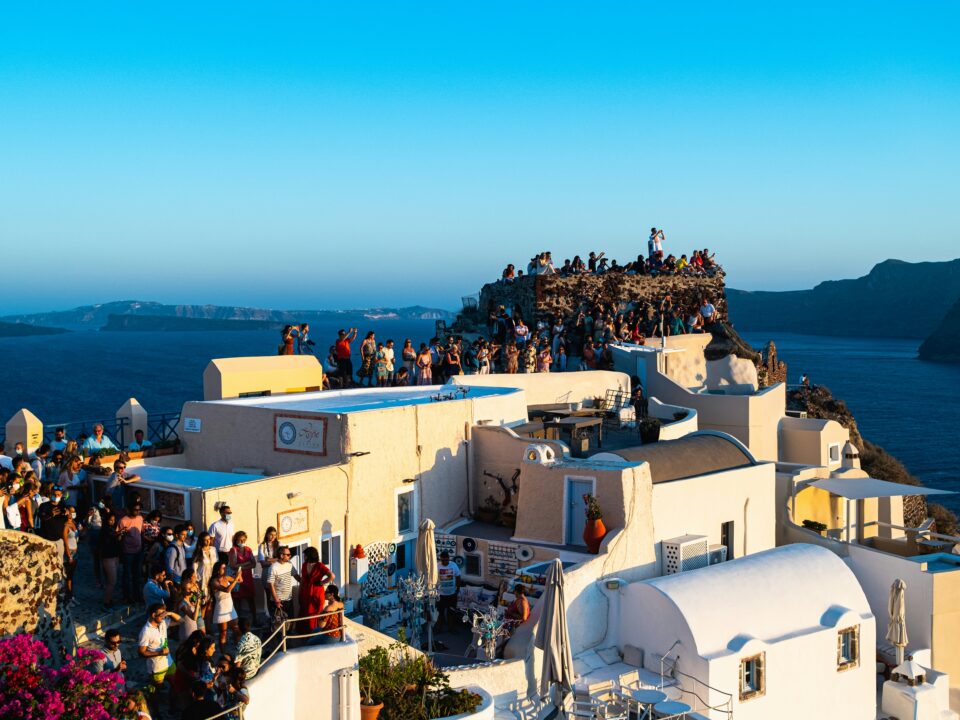
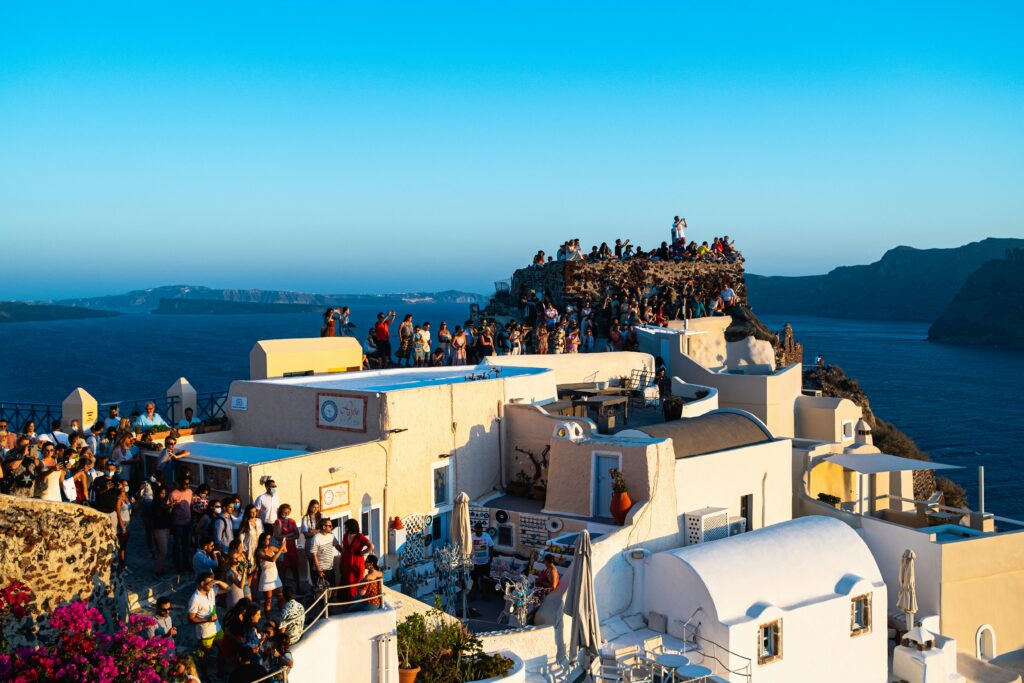
On 8 July 2025, the Acropolis in Athens, Greece, closed temporarily due to soaring temperatures, reaching 42°C. Greek authorities announced the closure of the iconic landmark from 1:00 pm to 5:00 pm to protect visitors and workers, citing the temperatures as the reason. The decision followed a heatwave that began gripping Greece on 6 July.
This isn’t the first time the Acropolis has faced such measures. Similar closures occurred in June 2025 and July 2024 due to dangerously high temperatures. To further safeguard workers, Greece’s Ministry of Labour has enforced a midday work ban from 12:00 pm to 5:00 pm for outdoor jobs, including construction and food delivery, across several regions, including popular tourist islands. Employers were also encouraged to offer remote work opportunities.
The heatwave, expected to continue through Wednesday, 9 July, may push temperatures to 41°C. After enduring its hottest June on record, several regions across Greece are now on high alert for wildfires. The government has issued a Category 5 wildfire warning—the highest level—indicating an extreme risk and a state of emergency.
Temperatures in the country are expected to reach 42C, with a maximum of 38C in #Athens. pic.twitter.com/rmSHXBEFK8
— Al Arabiya English (@AlArabiya_Eng) July 8, 2025
In June, the island of Chios declared a state of emergency after experiencing severe wildfires, spreading through forests and farmlands. Wildfires are a frequent occurrence in Greece during the summer, a consequence of the country grappling with climate change. Greece experienced the largest wildfires in the EU since records began in 2023. Annually, the Greek government issues a wildfire warning as soon as the initial heatwaves affect the country. Greek authorities are taking long-term action against climate change, including deploying a record number of firefighters this summer.
The extreme heat isn’t limited to Greece; much of Europe is grappling with similar conditions, prompting widespread heat warnings. In France, 88% of administrative regions are under code orange alerts, with wildfires breaking out and authorities urging people to stay indoors during peak heat. On 8 July, Marseille Provence Airport announced its closure due to a rapidly spreading nearby wildfire, while authorities urged residents to stay indoors during peak heat. Additionally, the Eiffel Tower’s top level was shut down temporarily.
Acropolis in Athens closed temporarily due to extreme heat impacting tourism pic.twitter.com/ZzPJ93ZZI0
— MrYT (@mr_yt40857) July 9, 2025
Similarly, Croatia and the Balkans are enduring temperatures up to 40°C, expected to persist for days. Serbian meteorologists have also issued warnings about increased wildfire risks, following nationwide reports of 620 fires on 7 July.
Other landmarks, like the Atomium in Brussels, have also reduced operating hours to ensure the safety of visitors and staff.