


European airport traffic has increased by 3.2% in September 2026 compared with 2025, according to a new report by ACI Europe. However, the winter season might prove challenging due to airline capacity reductions, high jet fuel prices, and price spikes.
In its traffic report for September and the third quarter of 2026, published on 17 November, the European airport trade body Airports Council International (ACI) Europe reports a year-on-year passenger traffic increase of 3.2% at European airports. Generally speaking, Q3 tracked a growth trajectory of 3.4% compared to the same period in 2025.
“September saw European airports maintaining their growth momentum, partly reflecting the extension of the peak travel season well into that month – and confirming that air travel demand has remained remarkably resilient over the Summer in the face of continued geopolitical and economic headwinds. As in previous months, the gap in performance between national markets remains significant due to diverse macro-economic conditions and exposure to geopolitical risks,”
Said Olivier Jankovec, Director General of ACI EUROPE.
According to the data collected by the European airport trade body, uneven pressures from geopolitics and aviation taxes, along with the primacy of generally resilient leisure and VFR demand, and fierce airport competition, meant not all national and individual airport markets performed equally during the month of September.
Among the strongest growing markets were Slovakia (+74.6%), Montenegro (+26.4%), and North Macedonia (+25.2%), while Austria (-6.3%), Iceland (-5.5%), and Latvia (-1%) went into negative territory.
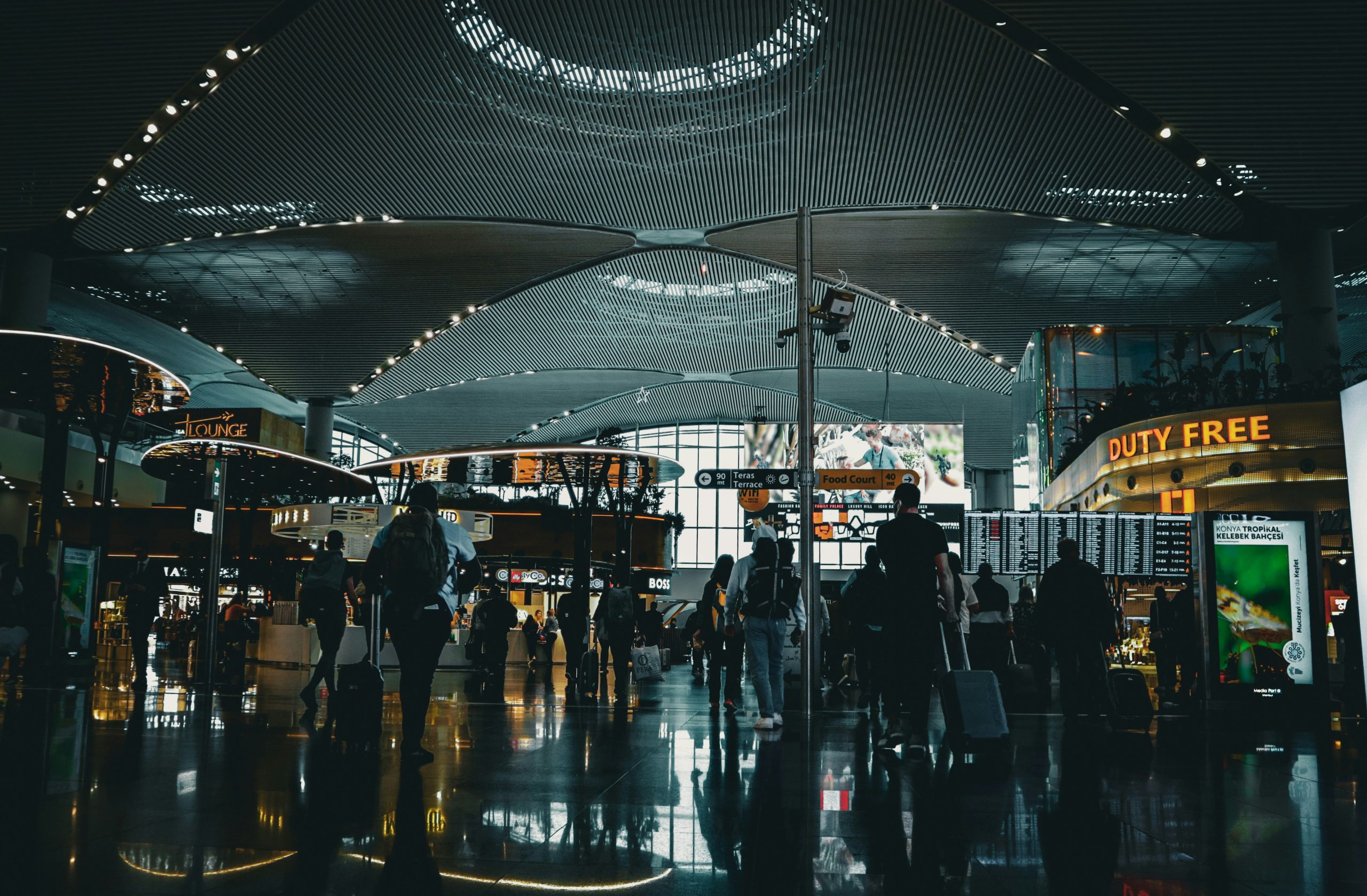
The busiest European airports in September were Istanbul with 7.85 million passengers, London Heathrow (7.18 million), Madrid (6.31 million), Paris-Charles De Gaulle (6.22 million), and Amsterdam-Schiphol (6.21 million). Amongst the Majors (defined as airports with more than 40 million passengers), Istanbul Sabiha Gökçen posted the best performance with 4.79 million passengers in September, an increase of 8.4% compared to 2025.
ACI Europe’s Olivier Jankovec also took the report as an opportunity to look ahead. According to the Director General, the traffic outlook is becoming decidedly more challenging when looking at the 2026-2027 winter season.
“Airlines are now moving beyond the tactical capacity adjustments towards more structural cuts for the winter season, as persistently high jet fuel prices continue to weigh on their finances – with the impact set to intensify due to diminishing hedging coverage. At the same time, rising air fares and a renewed cost of living crisis will test the resilience of demand for air travel,” Olivier Jankovec explained.
The airline seat capacity across European airports is set to increase by just 1.6% during the 2026-2027 winter season, which stands in stark contrast to 2025-2026’s 6.3% growth.
“For airports, the coming months will therefore be about navigating an increasingly constrained market, with higher traffic risks and even fiercer competition between airports not just to attract but also retain airline capacity,” Jankovec added.
ACI Europe’s positive Q3 report confirms previous data from the European Organisation for the Safety of Air Navigation (Eurocontrol), which officially named the Summer of 2026 as the busiest Summer on record. Between 1 June and 31 August, flights were up 2.4% compared with the Summer of 2025, and traffic reached an all-time peak on 10 July 2026, when 37,640 flights crossed the network in a single day.