


A new study presented during the UN COP31 climate summit estimates Europe could cut its energy costs by 40% by concentrating on distributed energy resources. Optimal results can, however, only be reached by coordinated their deployment with overall electrification.
In its report ‘System Costs of Electricity: A new Baseline for the 21st Century Economy’, the Schneider Electric Research Institute (SERI) paints an optimistic picture of European energy prices in the years to come. The study, presented during the UN COP31, explored 40,500 scenarios using different combinations of solar, battery, and grid costs to determine an ideal, cost-effective deployment of distributed energy resources (DERs).
According to the study, if the deployment of DERs such as rooftop solar, battery storage systems, EVs, and smart appliances is well-coordinated with electrification, the cost of running the electricity grid could lowered by up to 40% by the 2030s. Such a scenario would equal 0.8% of extra GDP for the global economy.
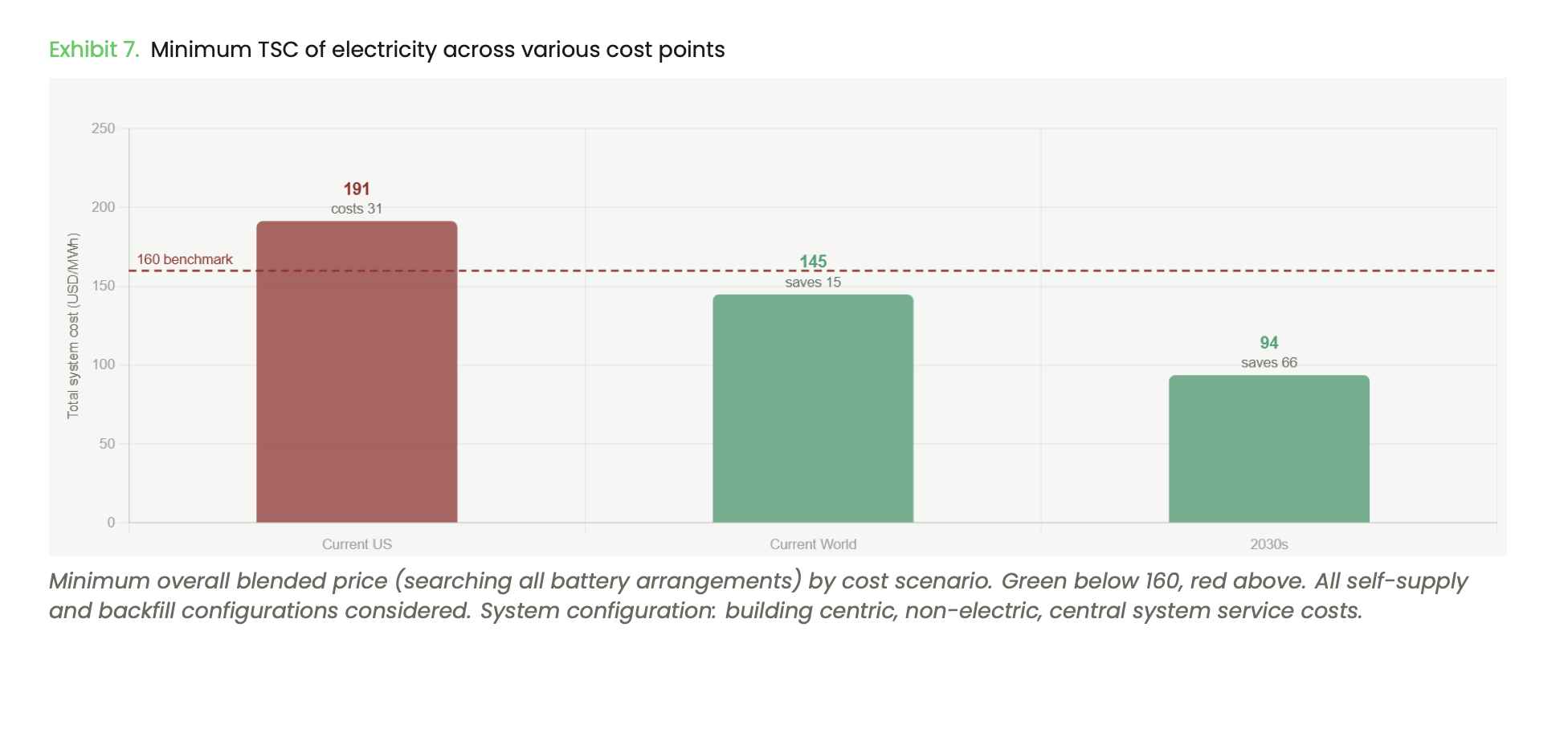
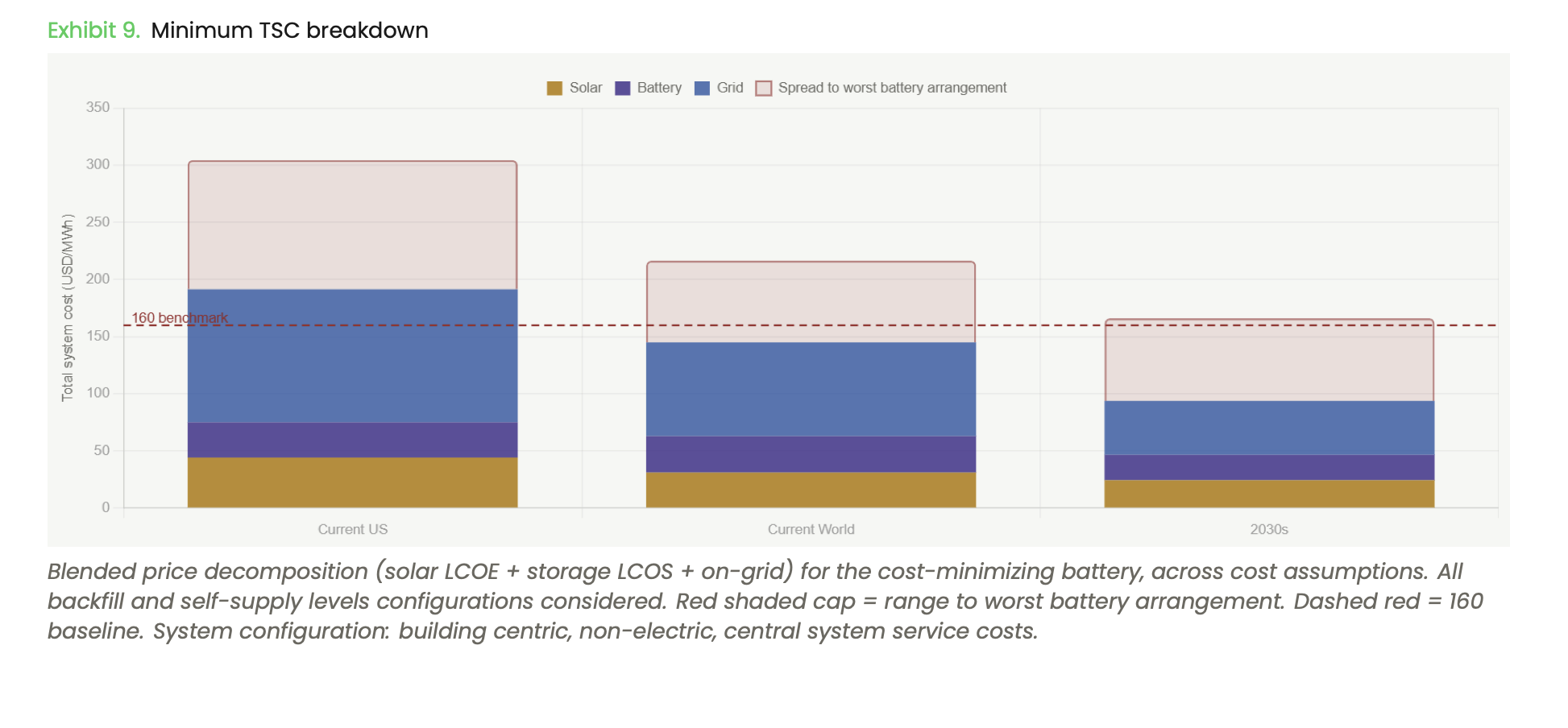
However, if Europe wants to make the most of DERs, coordination is key. While batteries have an important role to play in lowering the energy costs, non-optimal battery arrangements could lead the Total System Costs to increase by as much as 35%.
© Schneider Electric Research Institute
“For the past decade, solar has been experienced as an ‘intermittent’ energy source. But we’ve been looking at this generation asset in the wrong manner – solar is the fuel, the battery is the power plant. Ultimately, batteries are making solar much more interesting. But the whole system only becomes cheaper if these work in harmony with one another. That also means building the electricity demand to use them, not just focusing on adding supply. By scaling solar and batteries far quicker, Europe can get on a path towards energy sovereignty and competitiveness. The pieces are falling into place – what we need now is acceleration and coordination,” said Laurent Bataille, Schneider Electric’s EVP of Europe Operations.
The publication of the study during the UN COP31 climate summit in Türkiye is no coincidence. With the co-host country pledging to raise the global share of energy demand met by electricity to 35% by 2035, replacing fossil fuels-based technologies by electric technologies became one of the central discussion points.
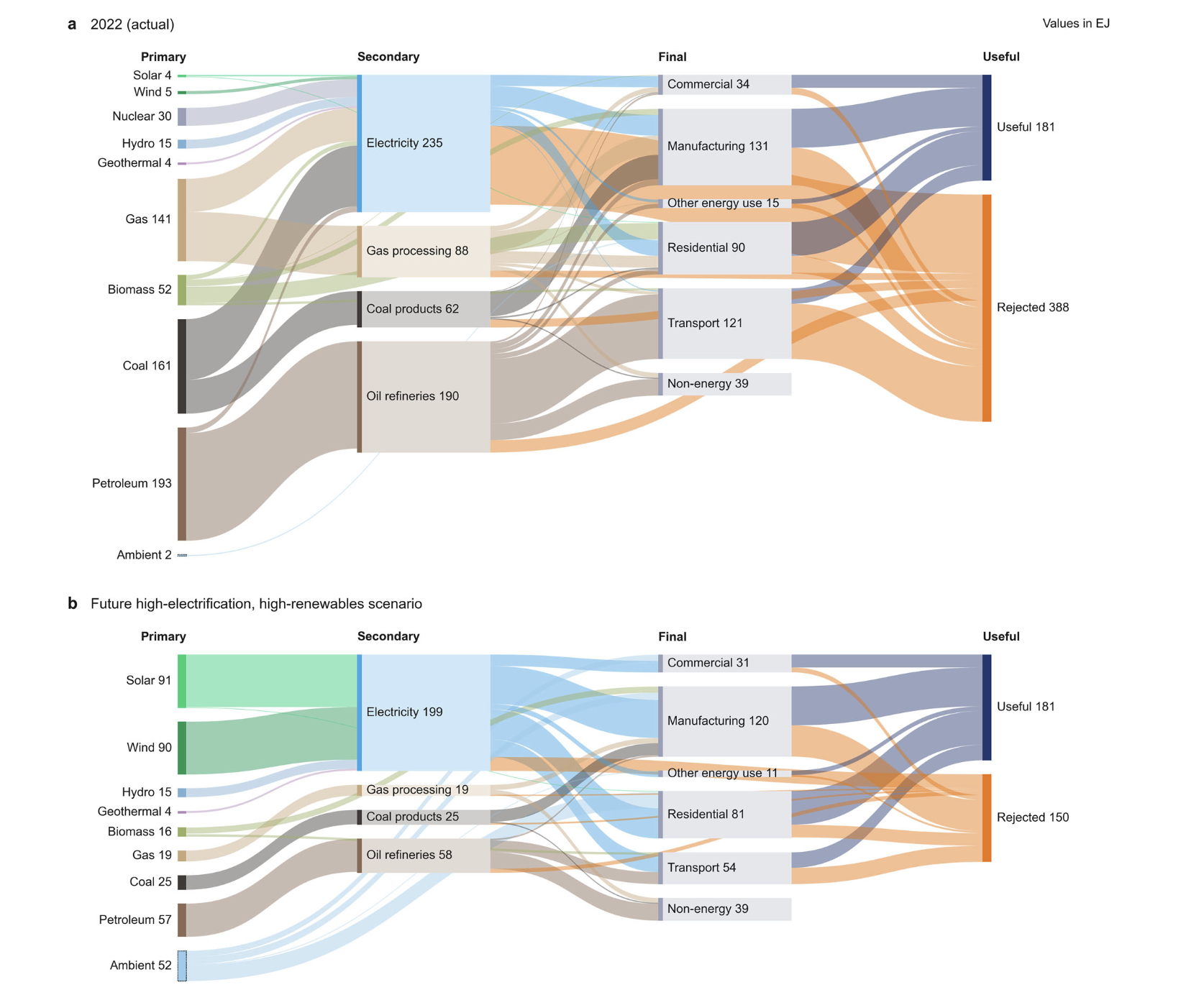
Especially the ways in which those electrification targets should be reached are considered crucial regarding the further deployment of the technology. While a study published in the scientific journal Nature shows that an electrified world could waste 61% less energy, processes such as expanded gas-fired generation could heavily reduce the sustainable interest of electrification and its potentially positive impact on climate change.
“This research shows that sustainability and affordability can reinforce each other, but coordination is critical. Now the priority must be to turn ambition into action by accelerating electrified demand, enabling more flexible energy use to flatten the load curve and free up capacity, and removing barriers to solar and battery deployment,” Esther Finidori, Schneider Electric’s Chief Sustainability Officer, stated.
A final formal agreement regarding the global road to electrification, adopted by all participating member countries, can expected to be announced during the closing statement of the COP31 climate summit on 20 November 2026.