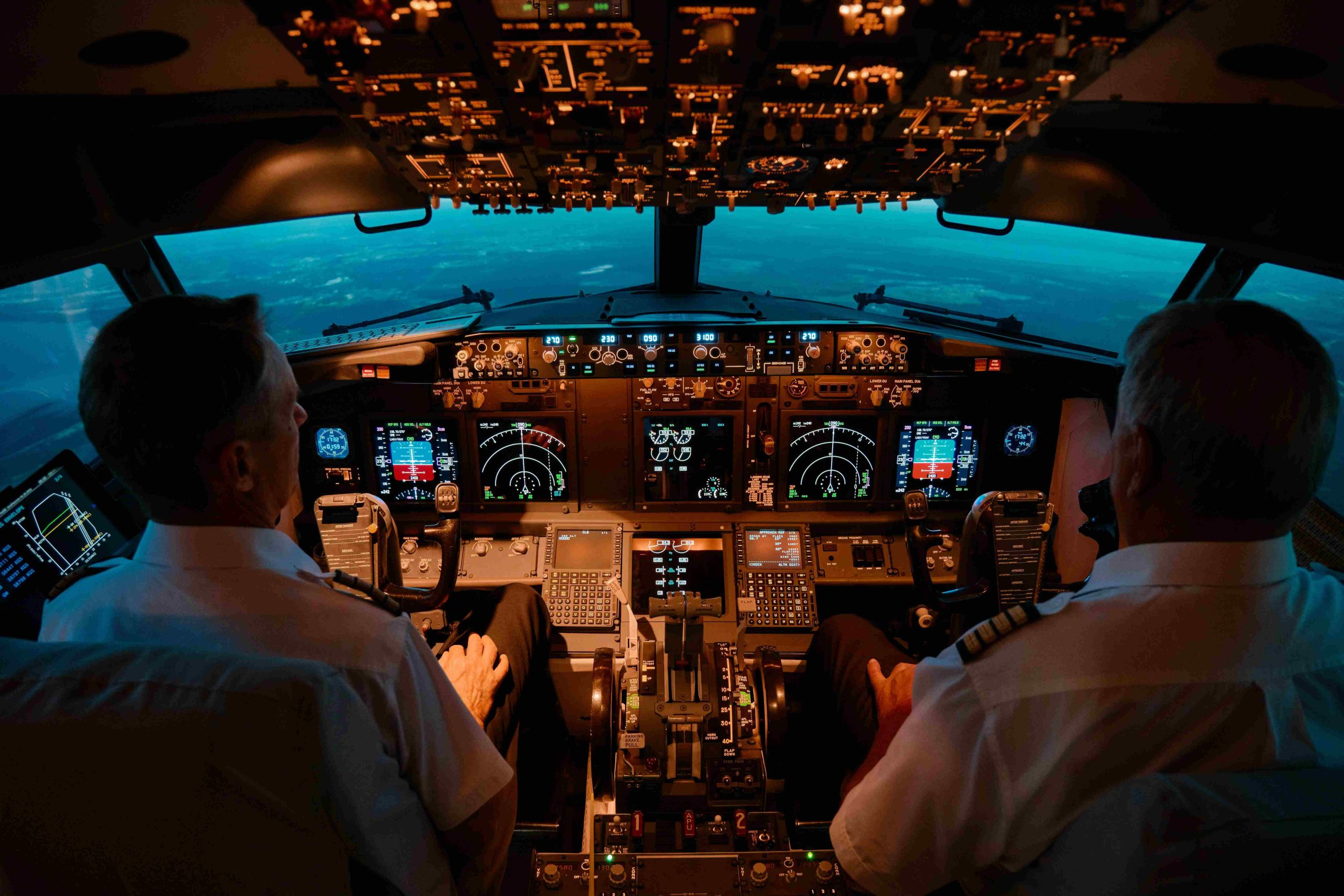



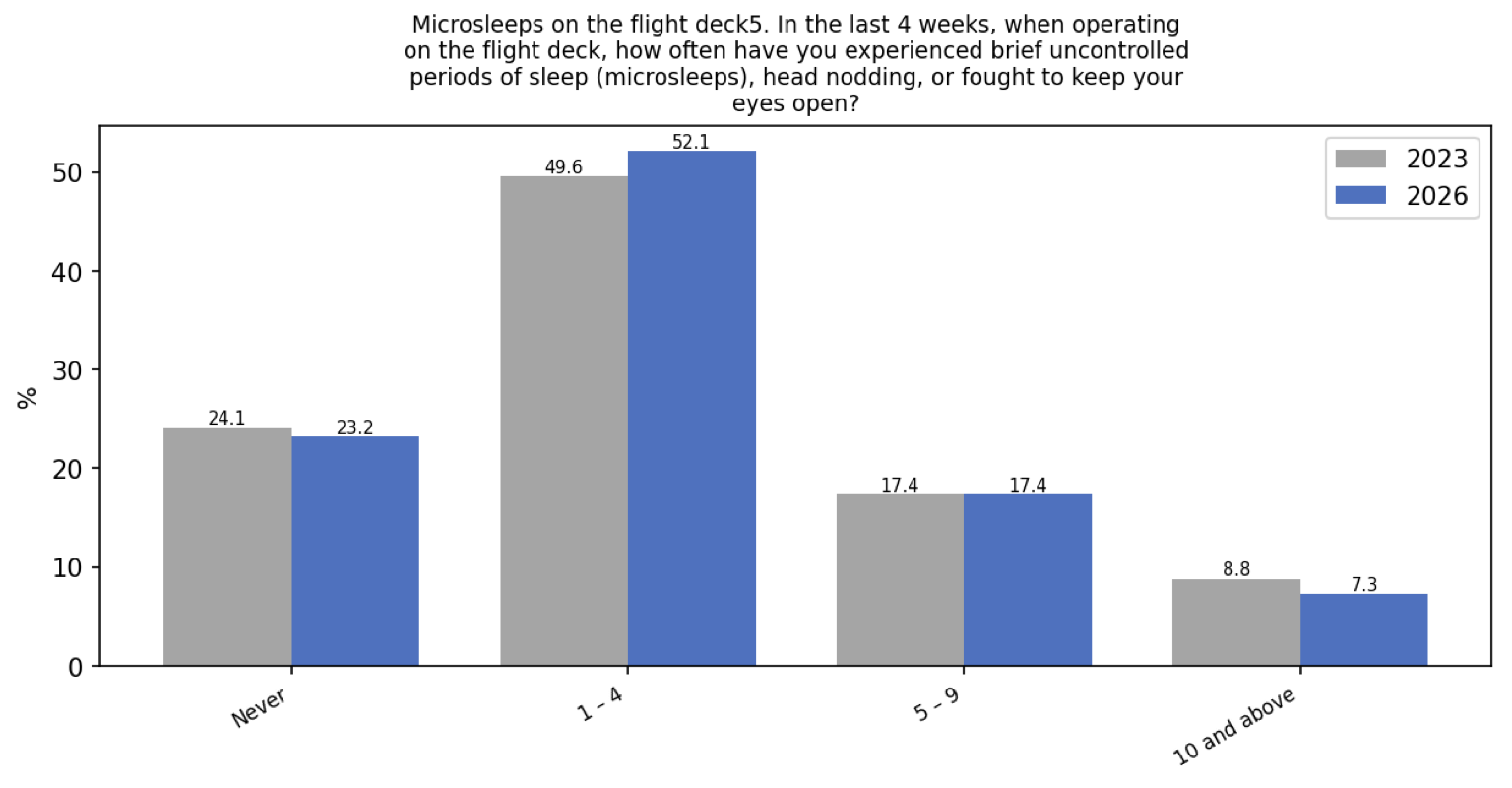
Commercial air pilots continue to work under immense fatigue and pressure, according to a new survey that found more than three-quarters (76%) of them had taken a “microsleep” at the controls in the previous month.
The research, from the European Cockpit Association (ECA) and carried out among 7,200 pilots across 32 nations by aviation consultancy Baines Simmons, reveals a damning picture of workplace culture in Europe’s skies. As well as the huge majority of pilots saying they had recently involuntarily napped on the flight deck, over half admitted they had flown while feeling too tired to fly safely when they should have declared themselves unfit to work. Only a third said they routinely would declare such tiredness.
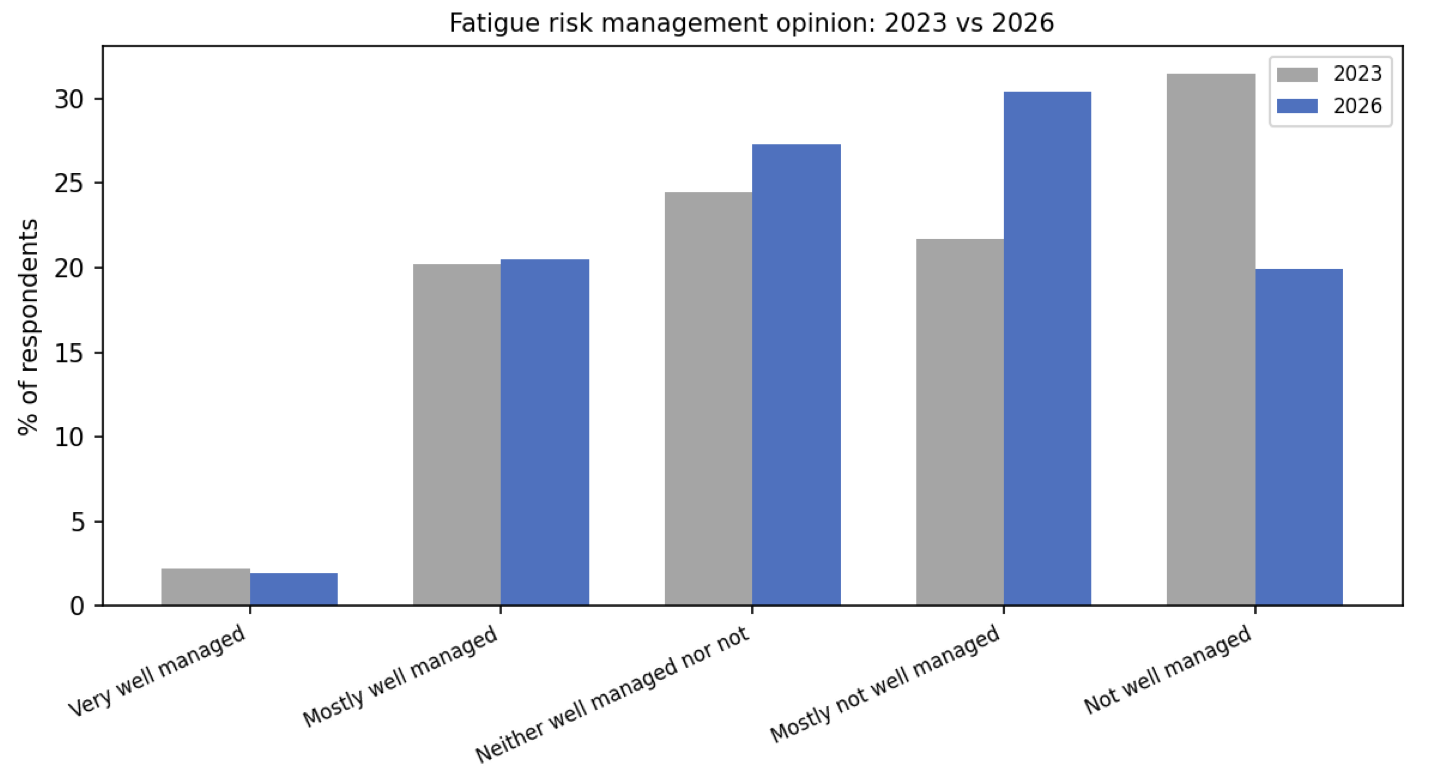
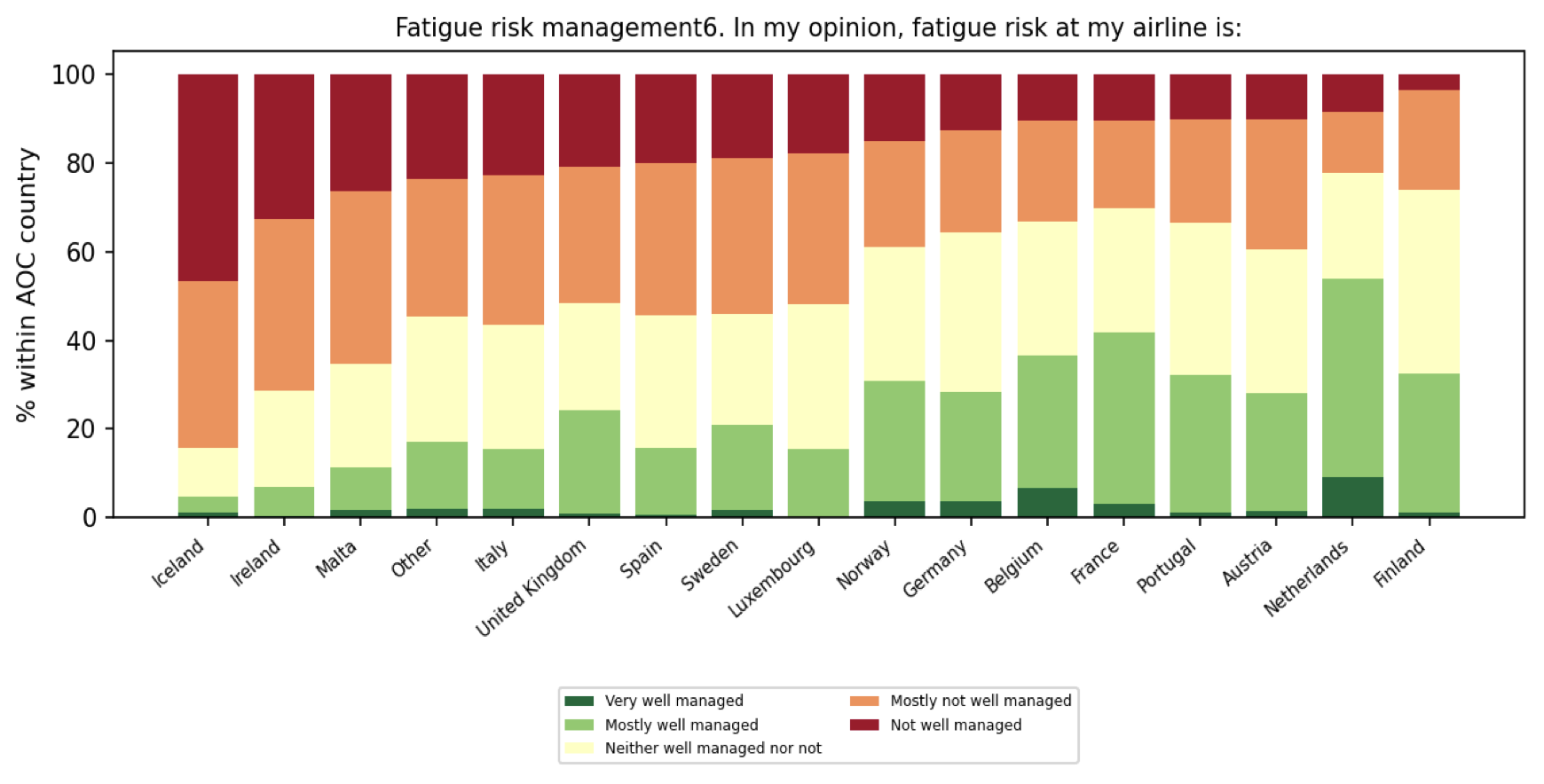
The reason they hadn’t temporarily stepped down from duty? Because, according to 50% of them, of a fear of negative consequences from management if they did report their fatigue. Nearly 12% said they lacked trust in the reporting system itself. Going further, a whopping 50% said the safety hazard posed by fatigue was poorly managed or not managed by their airline, and only 11% of respondents said that their reports of fatigue had led to operational safety improvements.
Pinning the problem to a country is difficult given the international nature of aviation employment, but a higher proportion of pilots for Spanish airlines (40%) and Irish and French airlines (30%) said they usually fly when fatigued, compared to just 10% of UK airline pilots admitting the same.
The ECA has urged the European Union Aviation Safety Agency (EASA) to tighten its regulations and put better oversight in place to ensure airlines act on them. ECA President, Captain Tanja Harter, said the issue “cannot be simply left to us – the pilots – to manage, while we are on the flight deck and expected to bring our passengers safely to their destination.”
In fact, the ECA findings echo an EASA report from June 2026 that pointed to aircrew fatigue as one of the most persistent and pressing safety concerns facing the sector. Illustrating the ongoing nature of the problem, a September 2025 survey of 900 pilots conducted by the German aviation trade union, Vereinigung Cockpit Association (VC), found that 93% of respondents confessed to napping on duty, with almost three-quarters (74%) describing naps as standard practice.
In addition, a 2025 report from UGent, produced with the financial support of the European Commission, asked 6,900 pilots and cabin crew staff about working practices and culture, and revealed that a majority (68%) of air crew are below mental health and well-being thresholds, while 78% reported feeling “dehumanised.” As many as 42% of all respondents to the crew survey said that working and rest time schedules are being pushed to their limits.