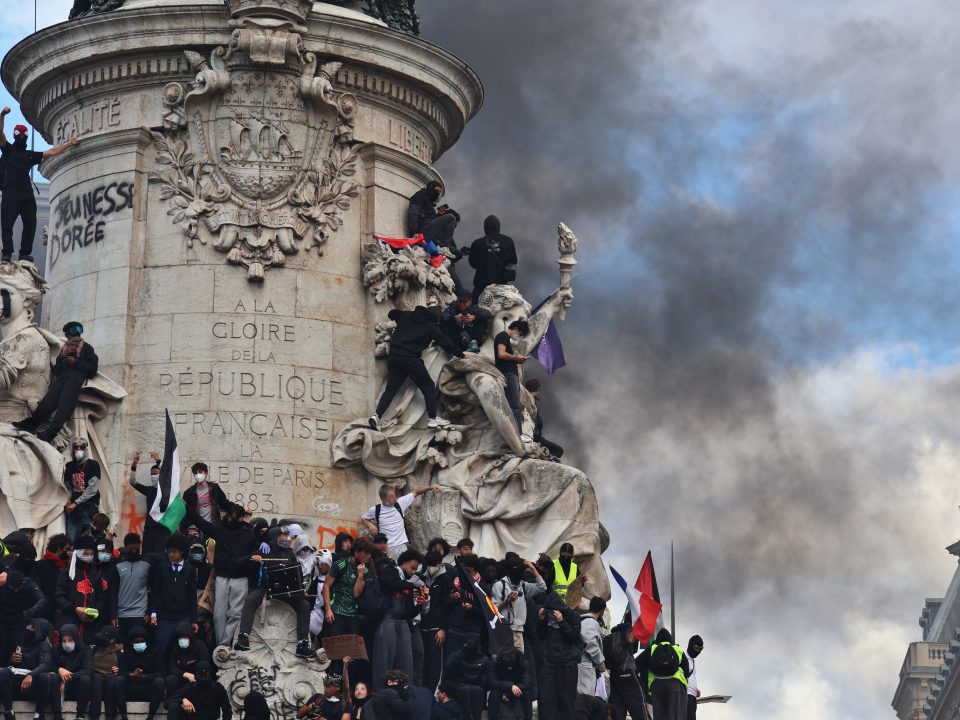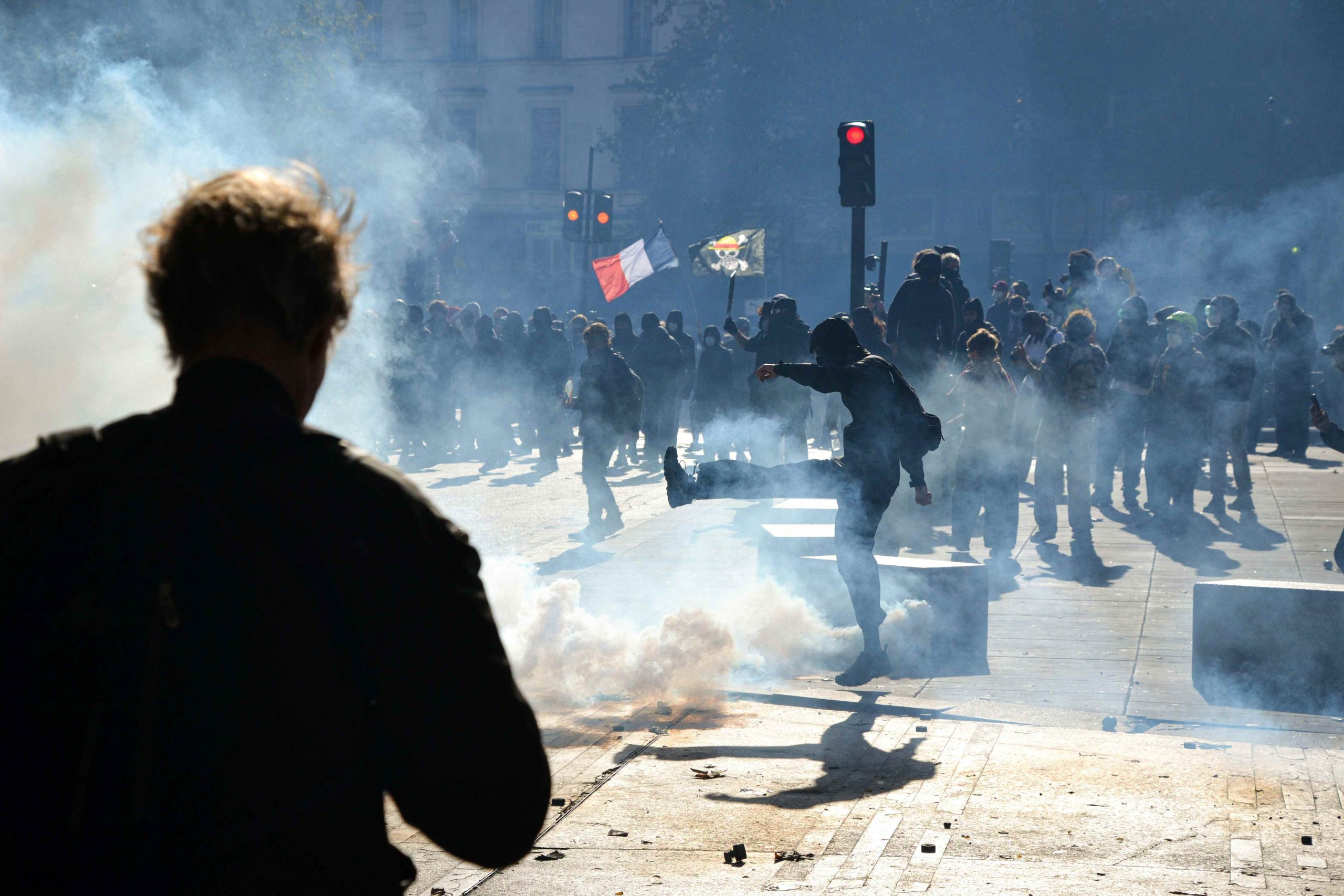



France’s tourism chief has described the violent protests and riots that have shaken the country as “catastrophic”, while others have pointed to a spike in cancellations from prospective tourists to the world’s most visited country.
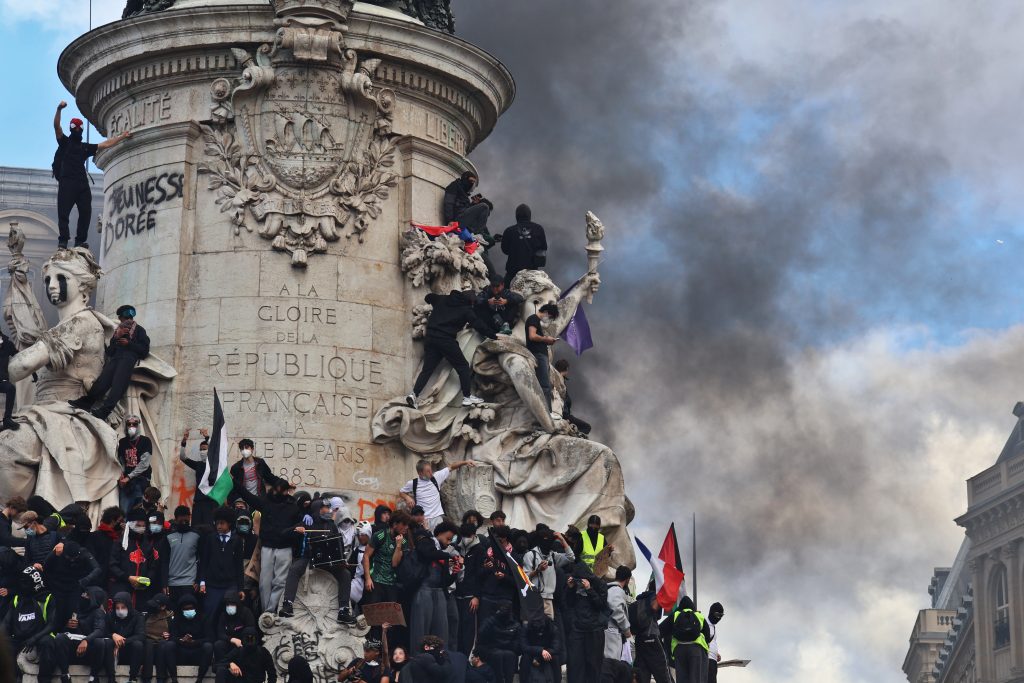
Recent weeks have seen a series of inequality protests by school students evolve into a national anti-poverty movement that has erupted into violent demonstrations, including looting, arson, and disturbing clashes between citizens and police in France’s major cities. Authorities have cracked down with curfews in a bid to quell the unrest.
But those efforts may come too late to halt reputational damage to the world’s premier tourist destination as nations around the globe proceed to issue new guidance for visitors to France, warning them to stay away from large gatherings, follow official instructions and local curfews, register with safety apps, and even postpone trips.
Christelle Cassagne, head of the national federation of French tourism institutions, ADN Tourisme, said, “The surge of violence in the centres of Nice, Paris, Lyon — it’s catastrophic.” Cassagne also noted the effect of the security problems on tourists who have booked the trip of a lifetime only to find themselves unable to access world-famous cultural sites such as the Louvre or the Musée d’Orsay because of temporary closures, saying: “When you book a hotel for a week, it is not to stay shut away in your room.”
🇫🇷 Chers visiteurs, en raison d’un mouvement social étudiant, le musée est fermé pour le moment. Nous vous prions de nous excuser de la gêne occasionnée. 🌍Dear visitors, due to student strikes the museum is currently closed. We apologise for the inconvenience. https://t.co/tNKFk3B9aj
— Musée du Louvre (@MuseeLouvre) October 19, 2026
Quantifying the negative impacts on the sector, Didier Arino, head of research consultancy Protourisme, said that just one day’s riots in the French capital had prompted “around a one-percent cancellation rate for the monthly count” across the next few days. Similarly, MKG Consulting said Parisian hotels were experiencing a year-on-year decline in bookings for the next month and a half, from 1 to 0.2 percentage points for stays scheduled from 20 to 29 October, and from 3.5 to 1.9 points for those from 20 to 25 October.
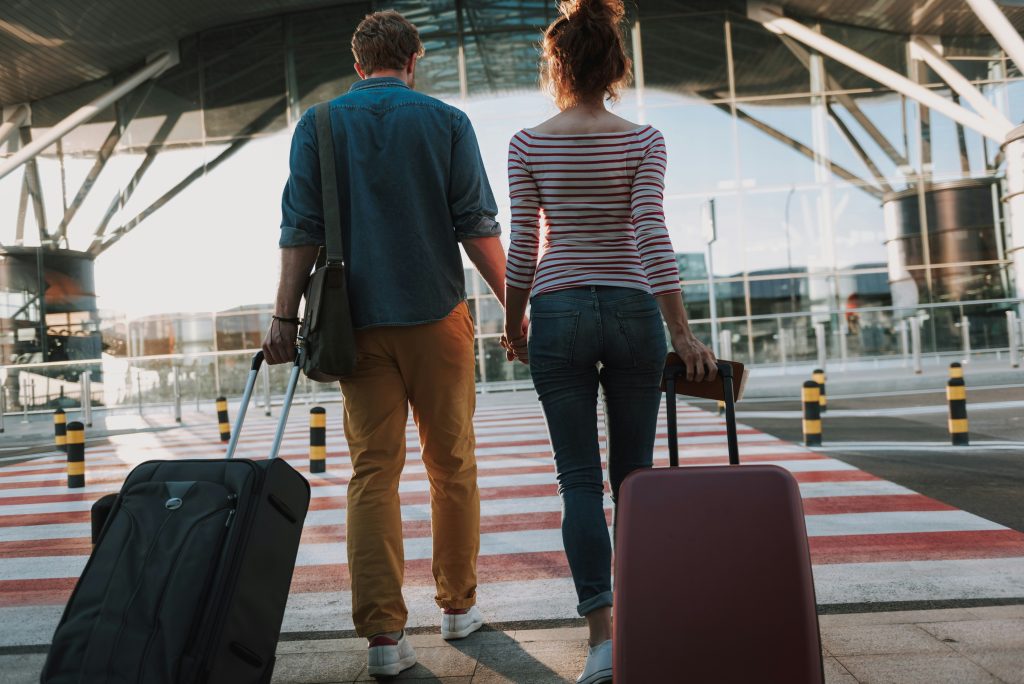
Meanwhile, fears are multiplying that the ripple effects of the unrest could spread far beyond French borders. The Bangkok Post has speculated that Thailand’s incoming tourism could suffer if French visitors, who usually rank second among Thailand’s largest European source markets, decide to postpone trips due to difficulties at home—for example, if temporary road closures or curfews make getting to the airport too challenging, or if widespread damage to property and vehicles impact people’s disposable income streams.
Suladda Sarutilavan, executive director Europe of the Tourism Authority of Thailand (TAT), said Thailand had welcomed more than 610,000 French visitors by mid-October and described that figure as stable year over year. But official figures from Tourism and Sports Minister Surasak Phancharoenworakul, released on 19 October 2026, show Thailand’s foreign tourist arrivals from 1 January to 17 October 2026 were down 4.12% year-on-year. Digging into the data, the drop appears to be due to Chinese travel easing off after the end of the Golden Week holiday. Long-haul arrivals increased 10.55% week-on-week to 178,479 between 11-17 October, a rise Surasak said was driven by short school breaks in Europe and the Americas.
With further protests organised in France on Saturday, 24 October and a general strike scheduled for 5 November, transportation, access to cultural gems, and security in general could be affected. Tourism agencies and would-be travellers around the world will be watching carefully.