

Kazakhstan is strengthening the foundations of its tourism sector through continued investment in regional infrastructure, air connectivity and tourism services. In the 2026 Travel & Tourism Development Index (TTDI), Kazakhstan ranks 56th out of 110 economies, with its profile showing notable changes across infrastructure, connectivity, digital readiness and tourism-related services.
The combination of infrastructure development, expanding international connectivity and changes in Kazakhstan’s TTDI profile provides a basis for assessing the country’s current tourism competitiveness and its near-term development prospects.
2025: visitor flows and source markets
According to Kazakhstan’s official statistics, 15.7 million foreign citizens visited the country in 2025. Of these, 11.1 million foreign tourists stayed for more than one day, while approximately 1.4 million foreign visitors used accommodation services.
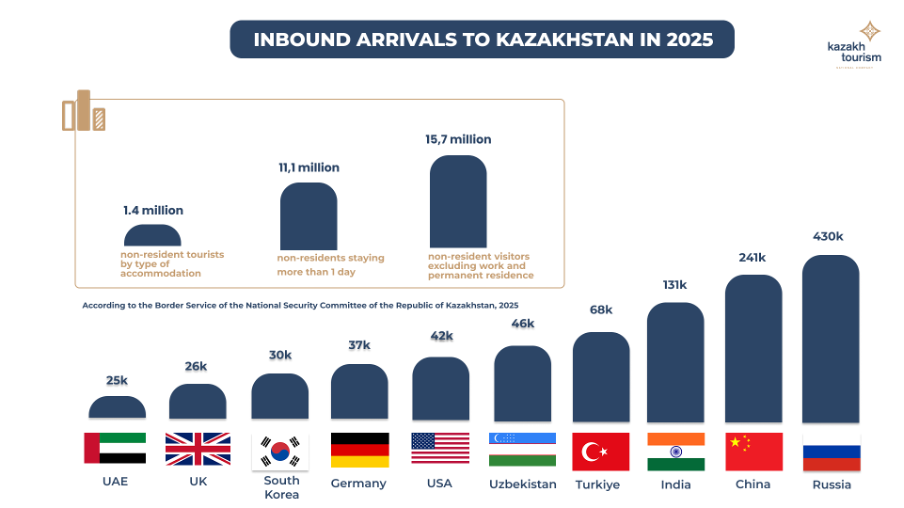
India, China, Europe, South Korea, the United States and the Gulf region. This provides a basis for further diversification, although neighbouring and regional markets remain important to overall inbound demand.
Kazakhstan’s tourism offer
Improved air connectivity can support a more integrated tourism offer across Kazakhstan’s regions, each with a distinct market position.
Almaty and Almaty Region combine urban culture and gastronomy with mountain, adventure and ecotourism. Ile-Alatau National Park, Charyn Canyon, Kolsai Lakes and Altyn-Emel provide opportunities for trekking, nature-based activities and multi-day itineraries.
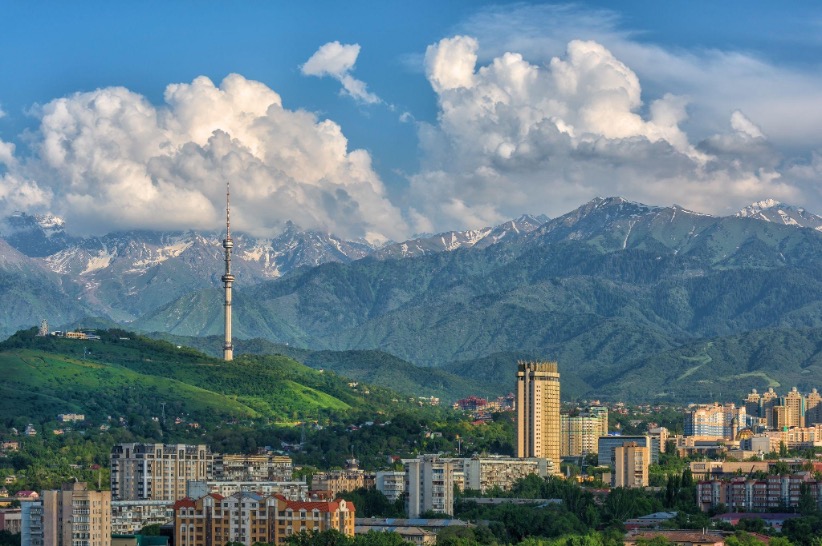
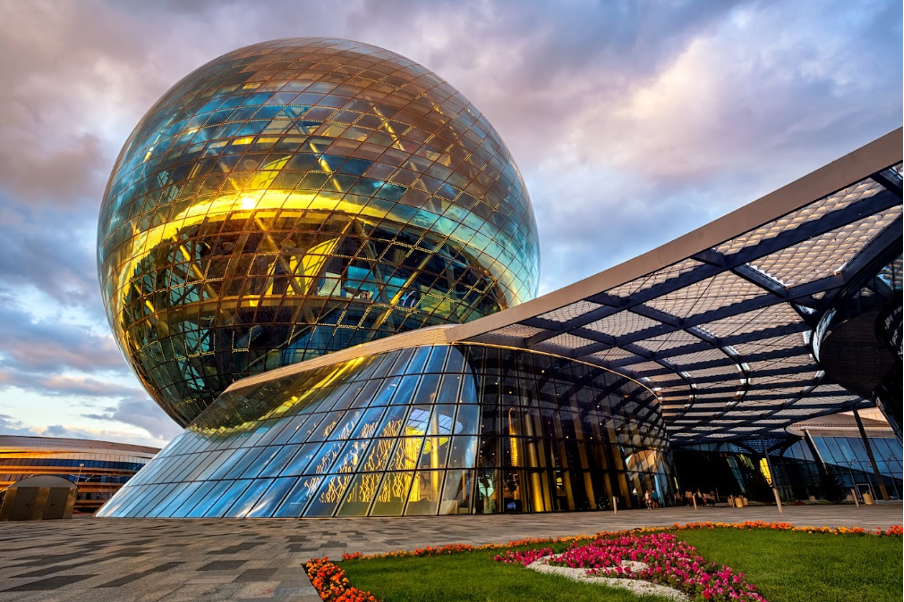
Astana is a centre for MICE, business and event tourism. Short cultural, gastronomic and leisure experiences can extend business trips and increase visitor spending.
Burabay has potential for nature-based wellness and year-round recreation, combining forest and lake landscapes, hiking, horse riding and health-oriented stays.

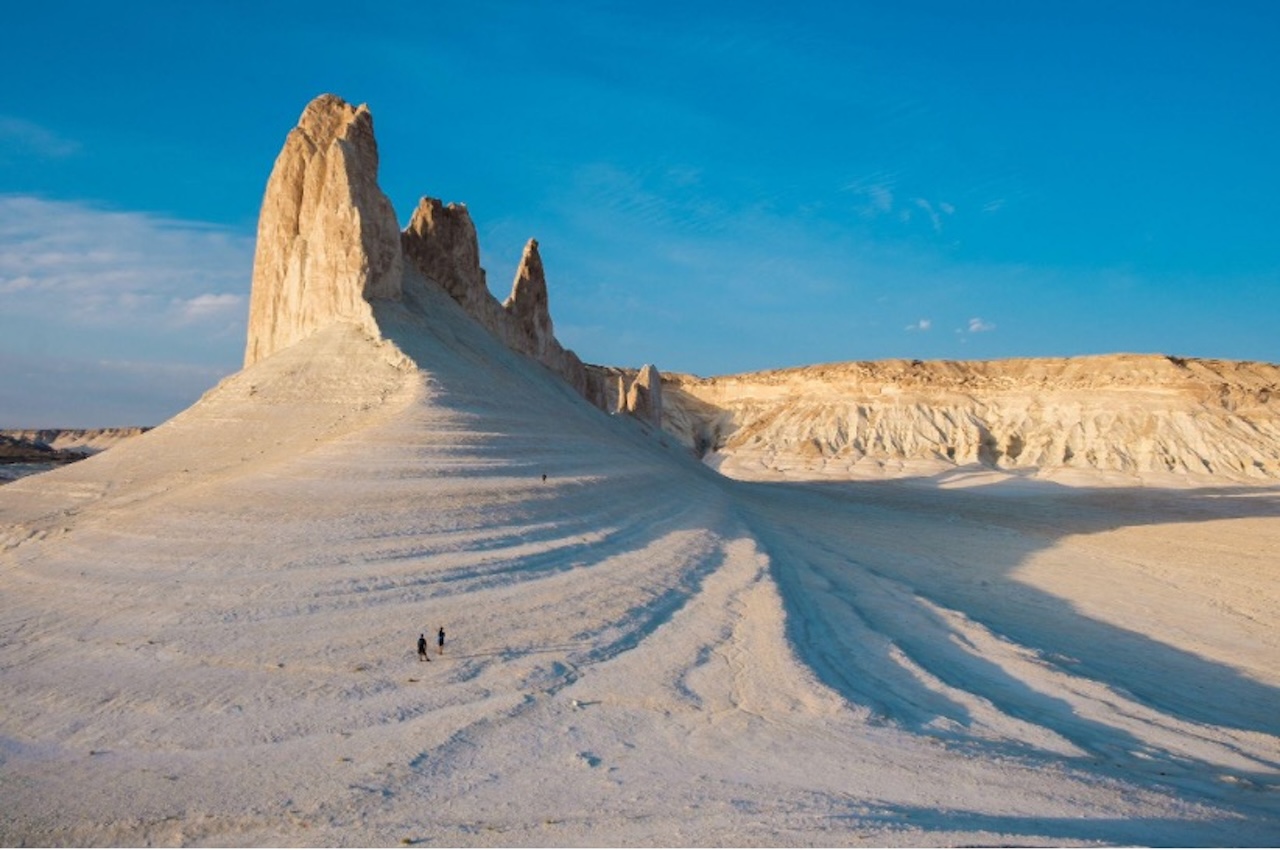
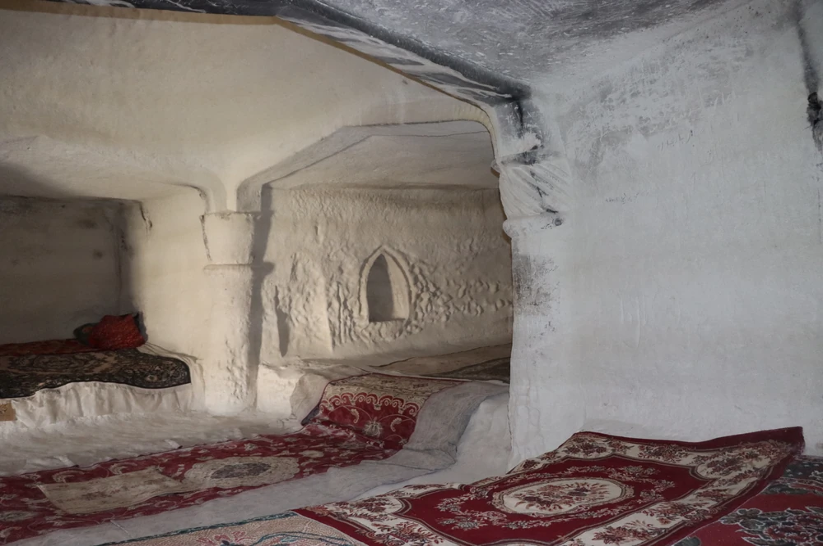
Mangystau offers an adventure and expedition product centred on Bozzhyra, the Torysh Valley and the Tuzbair Plateau, complemented by cultural and spiritual heritage. In 2026, the region’s Rock Mosques and Associated Sacred Sites of Mangystau were inscribed on the UNESCO World Heritage List. The property comprises five sacred complexes: Beket-Ata, Shopan-Ata, Karaman-Ata, Shakpak-Ata and Sultan-Epe. These sites add an internationally recognised heritage dimension to jeep tours, trekking and multi-day desert itineraries.
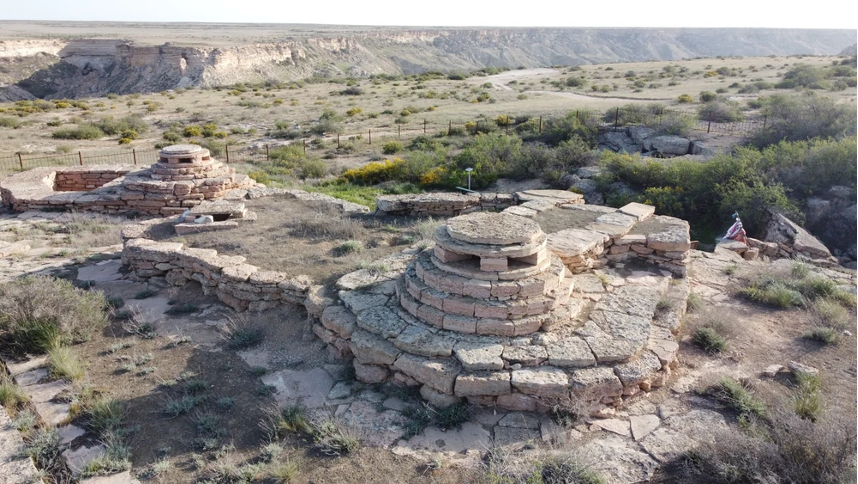
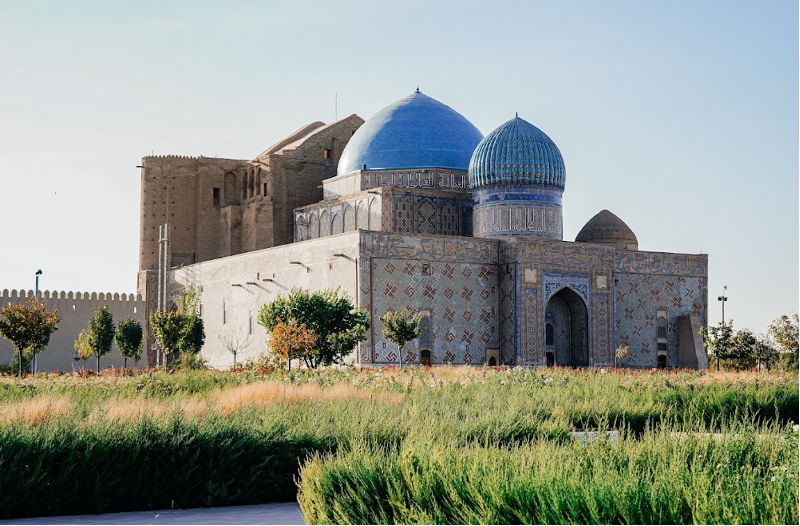
Turkistan Region is a major centre for cultural, historical and spiritual tourism. The UNESCO-listed Mausoleum of Khoja Ahmed Yasawi, together with the historic sites of Otyrar and Sauran, supports itineraries focused on the Silk Road and Kazakhstan’s heritage.
East Kazakhstan has potential for mountain, ecotourism and slow-travel products centred on Katon-Karagay National Park, the Altai, Mount Belukha and Lake Markakol. Wellness experiences, hiking, horse riding and nature retreats can broaden the offer, while the planned airports in Katon-Karagay and Zaysan are intended to improve regional accessibility.

TTDI 2026: improvements in infrastructure-related indicators
In the World Economic Forum’s Travel & Tourism Development Index 2026, Kazakhstan ranks 56th out of 110 economies, with a score of 4.089 out of 7. The score increased by 1.6% compared with the previous edition, while the country’s ranking declined from 52nd to 56th as other economies improved at a faster rate.
The most significant changes in Kazakhstan’s profile were recorded in several infrastructure- and service-related components:
- Tourist services and infrastructure: +22.7%, from 2.598 to 3.188, placing Kazakhstan 47th globally;
- Air transport infrastructure: +10.3%;
- ICT readiness: +5.0%;
- Safety and security: +4.0%.
These results indicate improvement in the capacity and accessibility components of Kazakhstan’s tourism system.
Several individual indicators remain comparatively strong. Kazakhstan ranks 2nd globally for price competitiveness, 7th for the socioeconomic impact of tourism, 25th for health and hygiene and 31st for natural resources.
The TTDI profile highlights Kazakhstan’s strengths in price competitiveness, tourism’s socioeconomic contribution and selected resource indicators, alongside opportunities to further develop transport accessibility beyond aviation, demand sustainability and environmental performance.
Transport infrastructure development
Kazakhstan is investing in regional transport infrastructure to improve access to tourism destinations by air and road. These projects are particularly relevant for areas with significant natural and recreational potential, where accessibility influences travel time, route planning and opportunities to develop multi-day itineraries.
In the East Kazakhstan Region, the high-altitude section of the R-147 Ust-Kamenogorsk – Altai – Ulken Naryn – Katon-Karagay – Rakhmanovskie Klyuchi highway has been fully modernised between kilometres 437 and 450. The 13-kilometre section, previously a hazardous unpaved track, has been widened to two lanes and surfaced with multiple layers of asphalt concrete. As a result, travel time along this section has been reduced from approximately two hours to 20 minutes. The improvement is particularly relevant to access to Katon-Karagay and the wider Altai tourism area.
The regional programme also includes the construction of three new airports in Katon-Karagay and Zaysan in East Kazakhstan Region, and Kenderli in Mangystau Region. According to government plans, construction is scheduled for completion in 2026. The Katon-Karagay and Zaysan projects are intended to improve access to destinations in eastern Kazakhstan, while the Kenderli airport is expected to support tourism development on the Caspian coast. Future route networks and passenger demand will influence the extent to which these facilities improve visitor access.
Investment is also continuing at existing airports. Planned and ongoing projects include second runways at Astana and Shymkent, reconstruction of Almaty Airport’s domestic terminal, development of a new terminal at Atyrau, reconstruction works at Pavlodar and Aktau, and the restoration of Arkalyk Airport.
Together, road improvements, regional airport construction and investment in existing aviation infrastructure are intended to strengthen transport links to Kazakhstan’s tourism regions. Their longer-term impact will depend on the development of regular services, integration with local transport and the ability of destinations to convert improved accessibility into sustained visitor demand.
International air connectivity
Kazakhstan continues to expand its international air connectivity, strengthening links with key tourism and business markets across Europe, Asia and the Middle East. In January–August 2026, air passenger traffic reached 11 million, an increase of 3.8% compared with the same period in 2025. Passenger turnover rose by 9.4% to 22.7 billion passenger-kilometres.
As of 2026, Kazakhstan maintains international air services with more than 30 countries across 161 routes, with a combined frequency of around 900 flights per week. New and expanded routes are strengthening air connectivity with China, Europe, Central Asia and the Middle East, improving accessibility for international visitors.
Japan is also being added to the network of direct connections. Air Astana is scheduled to launch the Almaty–Tokyo Narita route on 30 November 2026, with flights planned twice weekly. Looking further ahead, direct air services between Kazakhstan and the United States are being considered for 2027, subject to the necessary regulatory approvals.
China remains an important area of network development, with new routes and increased capacity supporting both tourism and business travel. Expanded connections with European and Middle Eastern markets also provide opportunities to diversify visitor source markets and develop multi-destination itineraries.
For tourism, the expansion of international air connectivity can improve access to Kazakhstan and support the development of regional destinations. Its longer-term impact will depend on sustained passenger demand, route frequency, competitive airfares and reliable ground transport links between airports and tourism areas.