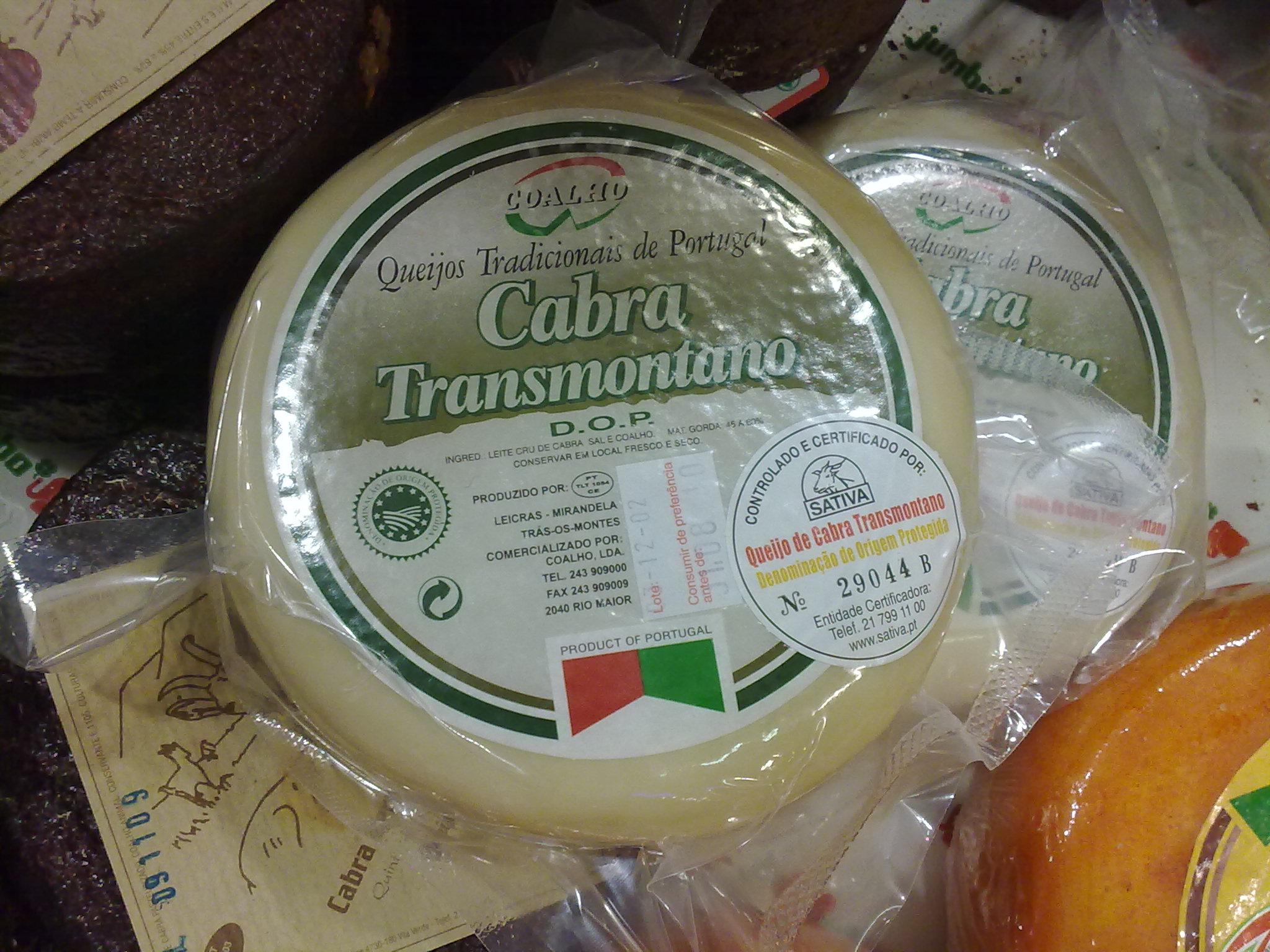


Portugal has claimed the top spot in TasteAtlas’ latest ranking of the world’s best goat cheeses, with Queijo de Cabra Transmontano outperforming traditional favourites from France and Greece. The cheese, produced in the northeastern region of Trás-os-Montes, received a rating of 4.4 out of five, placing it first on the international food platform’s list, updated on 7 October 2026.
The Portuguese speciality secured first place ahead of Greece’s Sfela, which also received a score of 4.4, and France’s Crottin de Chavignol, which ranked third with 4.3 points. The results highlight Portugal’s cheese-making traditions in a category often associated with French or Balcan gastronomy.
Queijo de Cabra Transmontano is a traditional hard cheese made from raw milk produced by Serrana goats, a breed native to northern Portugal. According to TasteAtlas, goat cheese production has long played an important economic role in the Bragança region, where many families depend on raising goats and producing cheese for their livelihoods.
The cheese is characterised by its round shape, semi-hard rind, firm white interior and distinctive aroma. Its flavour is intense, with a slightly spicy note. During production, the milk is filtered and heated before the curd is salted and matured under controlled temperature and humidity conditions. It is traditionally enjoyed on its own or served with bread and local red wine.
The second-place cheese, Sfela, originates from Greece’s Messinia region and is traditionally made using sheep’s milk, goat’s milk or a combination of both. The semi-hard cheese matures in brine for at least three months and is commonly served grilled, as an appetiser or incorporated into Greek dishes.
France’s Crottin de Chavignol, meanwhile, comes from the village of Chavignol in the Loire Valley. Made from raw goat’s milk, it has a dense texture and a slightly nutty flavour. Depending on its maturity, it can be enjoyed fresh or aged, with older versions developing a firmer, more crumbly consistency.
The ranking is based on user reviews rather than assessments by a professional judging panel. TasteAtlas recorded 5,111 ratings, of which 2,637 were considered legitimate by its system. The platform uses measures to exclude artificial or nationally biased votes while giving greater weight to reviewers identified as knowledgeable. It also distinguishes between traditional cheese varieties and individual products from specific producers.
Beyond their culinary appeal, cheeses have also attracted scientific attention for their potential health benefits. As Travel Tomorrow previously reported, a Japanese study involving around 8,000 participants found that regular cheese consumers were 24% less likely to develop dementia over a three-year period than non-consumers. However, researchers stressed that further studies are necessary before definitive dietary recommendations can be made.