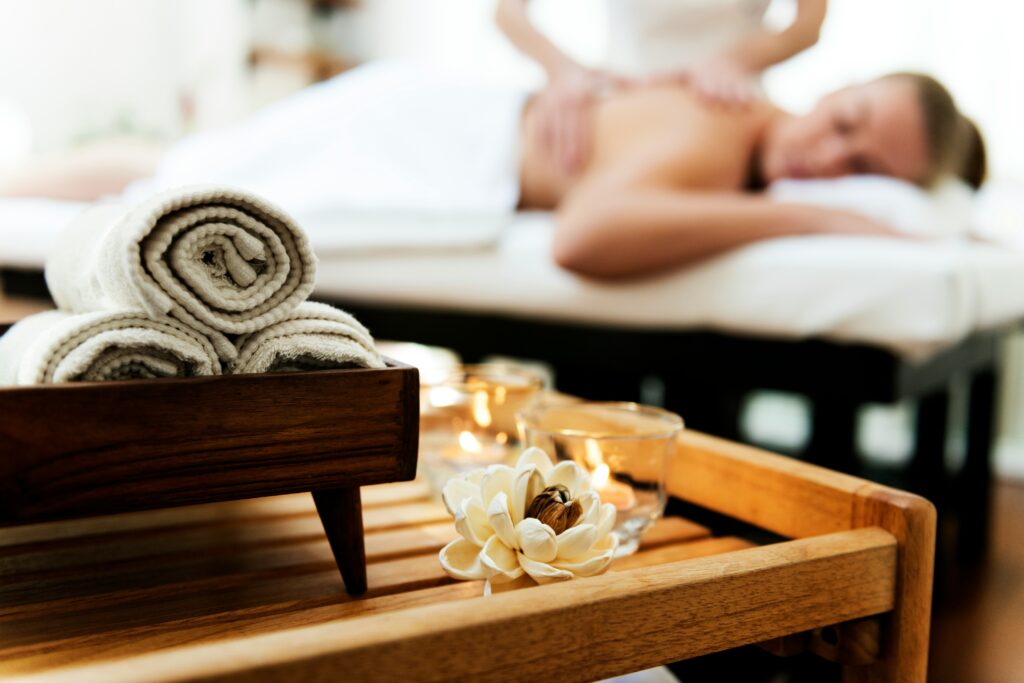


The European Spa Association (ESPA) has called for closer cooperation between Europe’s health, life sciences and tourism sectors, arguing that medical spas and natural therapeutic resources could play a greater role in prevention, active ageing and rehabilitation.
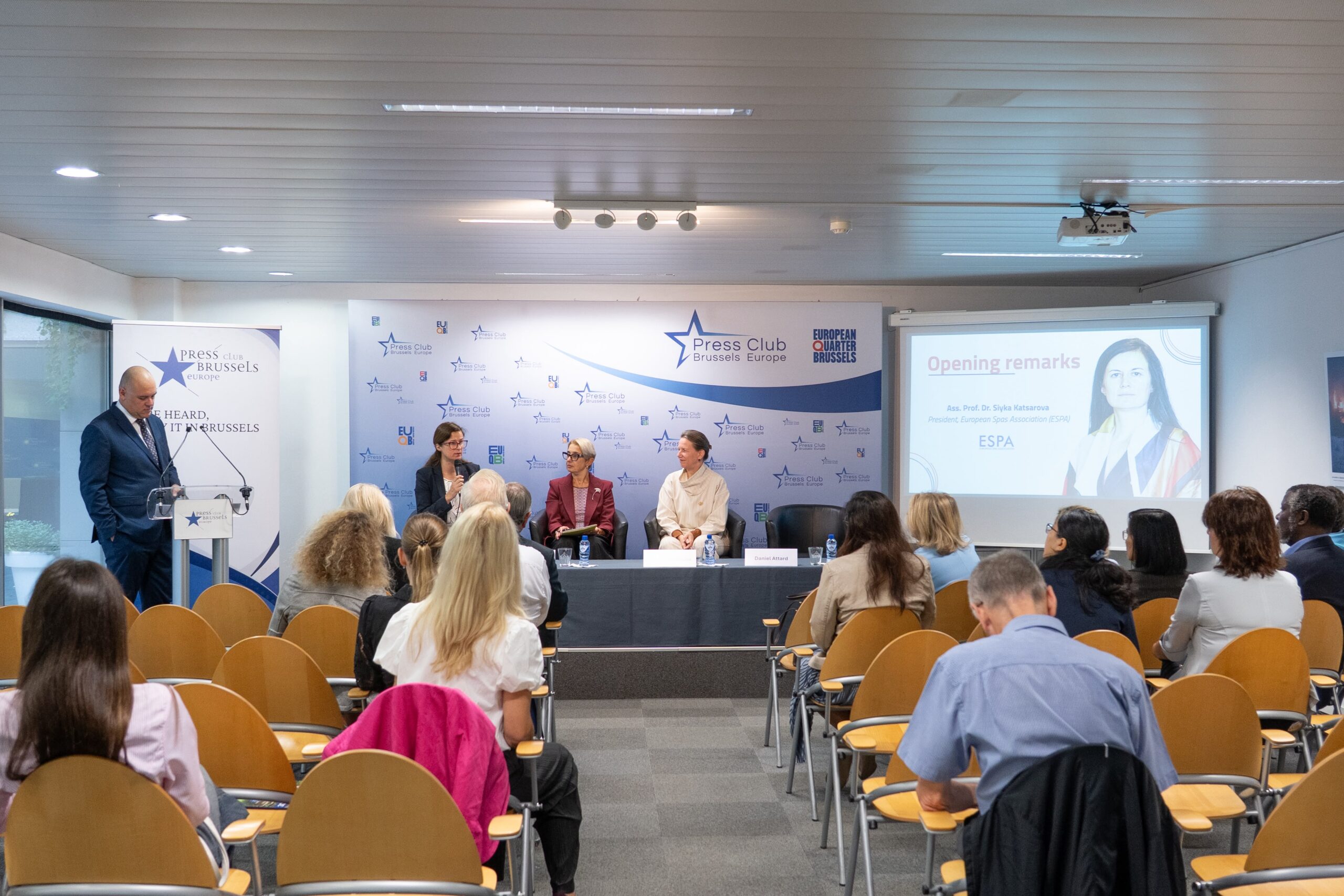
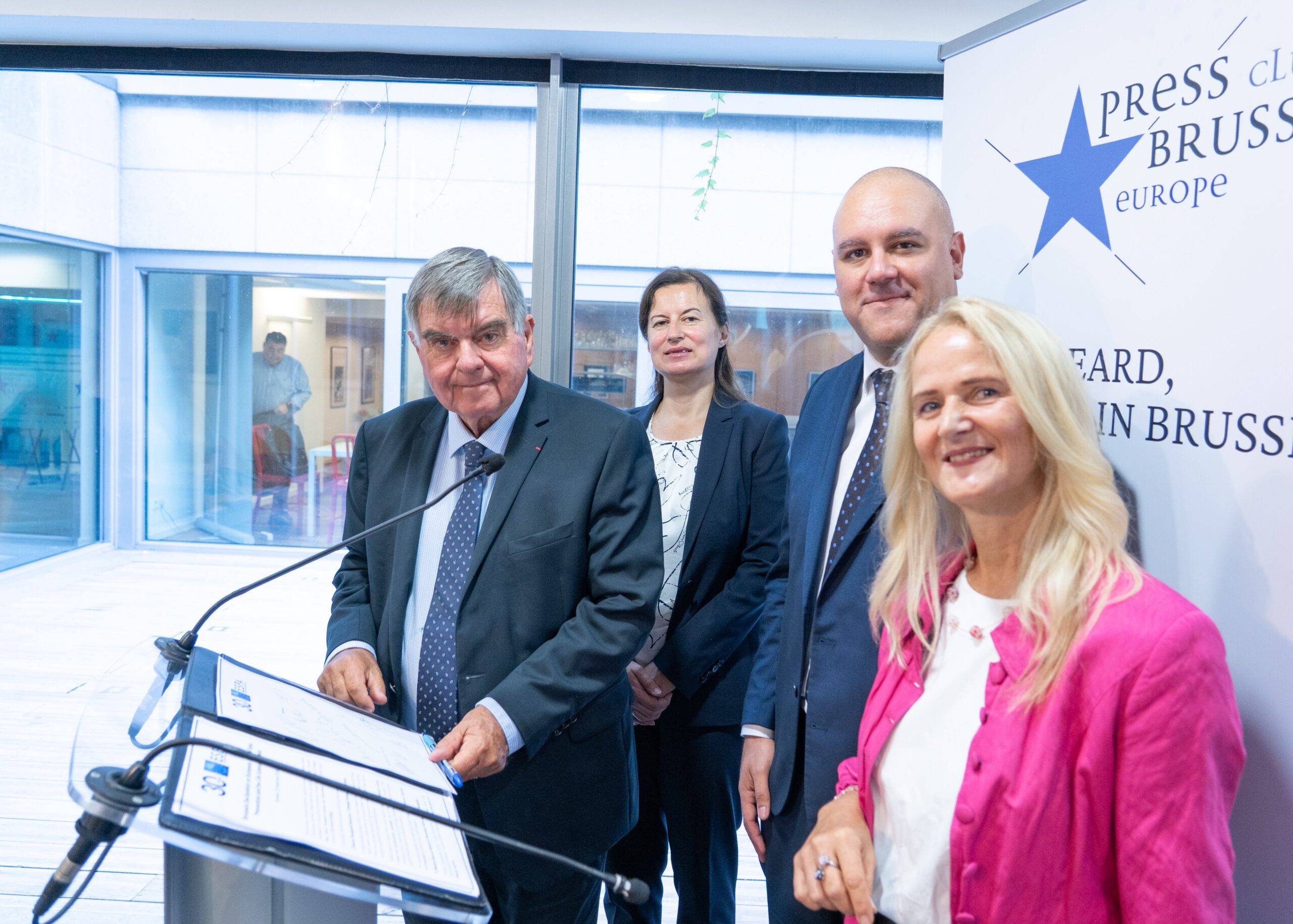
The call followed a briefing at the Press Club Brussels Europe, which brought together policymakers, health experts, researchers and tourism stakeholders to discuss the future of health, tourism and longevity in Europe.
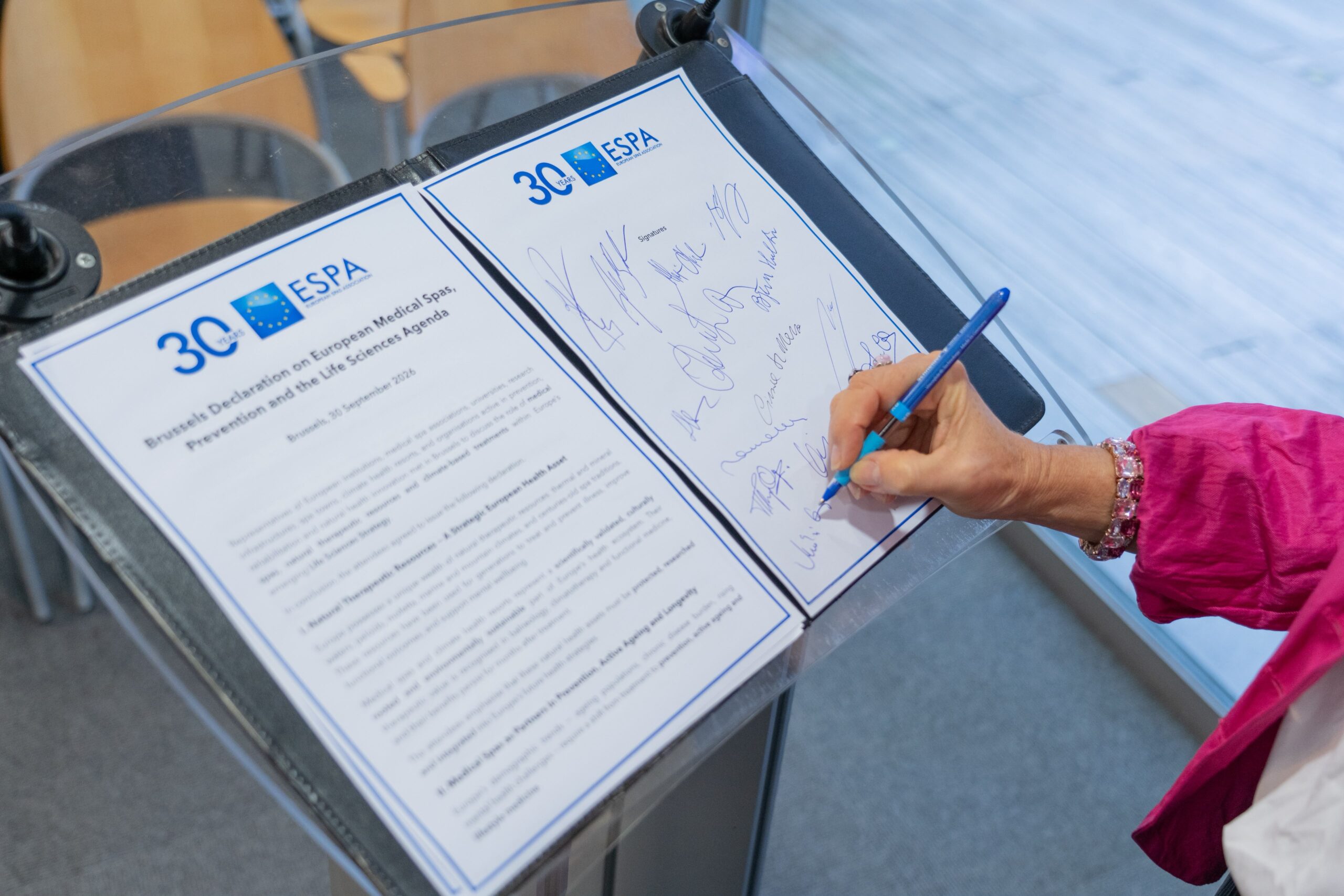
The meeting concluded with the signing of the Brussels Declaration on European Medical Spas, Prevention and the Life Sciences Agenda, calling for natural therapeutic resources and climate-based treatments to be recognised, protected and better integrated into European health policy.
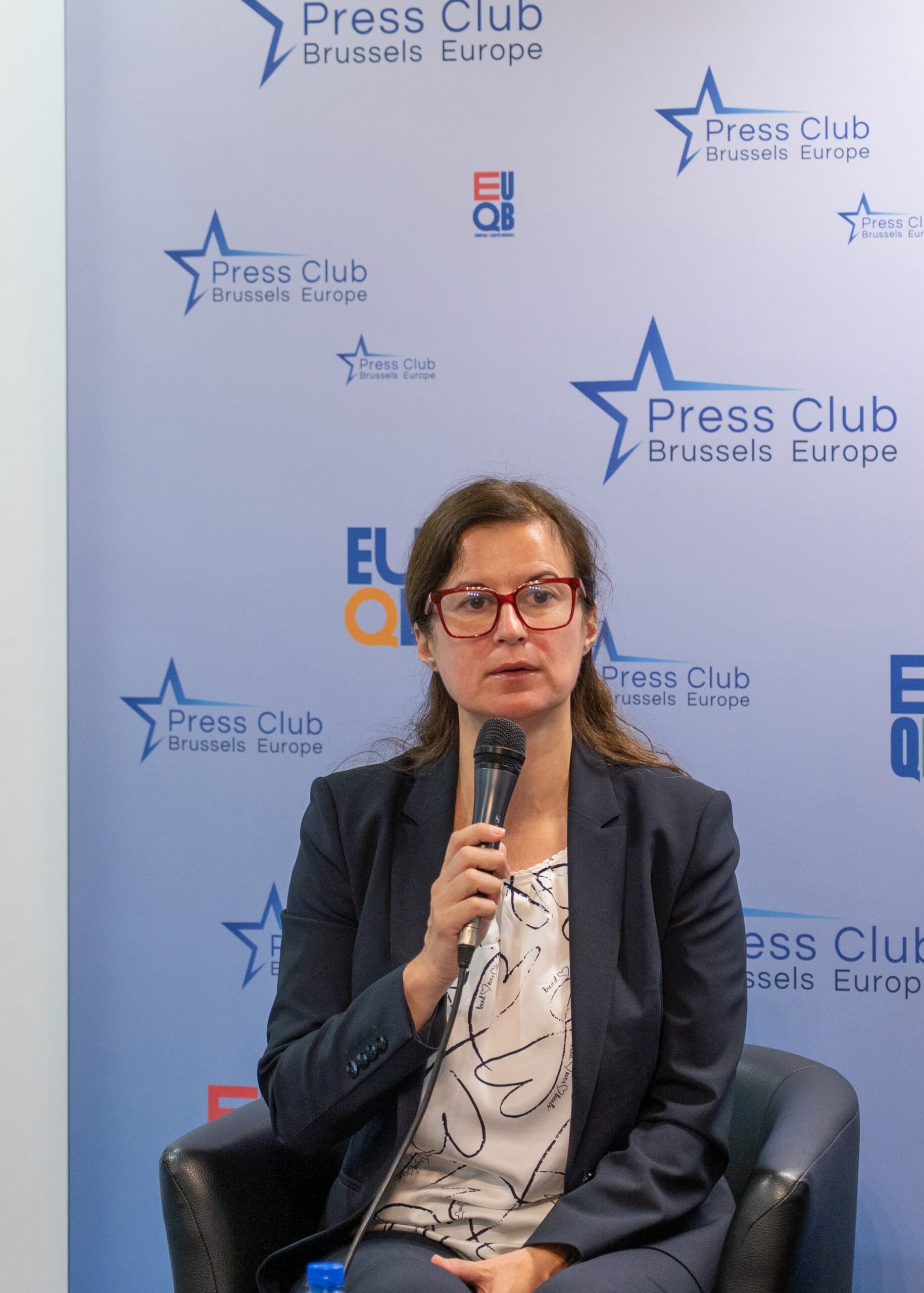
“Europe has natural health resources, medical expertise and spa infrastructure that could make a greater contribution to healthier and longer lives,” said Dr Siyka Katsarova, President of ESPA. “We need to connect these strengths through coordinated research and cooperation with healthcare professionals and policymakers. Prevention should be recognised as a priority across both health and tourism policy.”
Associate Professor Dr Milena Angelova, the European Economic and Social Committee’s rapporteur on the EU Life Sciences Strategy, addressed the role of prevention and active ageing in the life sciences agenda. She also considered how natural therapies could complement health systems, while highlighting the need for stronger scientific evidence.
Daniel Attard MEP discussed the issue from a sustainable tourism perspective, examining links between healthy ageing, wellbeing tourism and destination development. His report on destination management and regional tourism growth was adopted by the European Parliament in April 2026.
Elisabeth Kotthaus, Head of the Tourism Unit at the European Commission’s Directorate-General for Mobility and Transport, focused on tourism’s role in Europe’s wellbeing economy, including opportunities for year-round tourism based around climate destinations and natural health assets.
The Brussels Declaration identifies thermal and mineral waters, therapeutic muds, natural gas treatments, marine and mountain climates and spa traditions as strategic health assets. Among its seven priorities are integrating medical spas into EU health strategies, supporting research into balneology and climatotherapy, protecting natural therapeutic resources and strengthening professional standards.
It also calls for spa facilities to participate in European research infrastructures and cross-border clinical networks, while promoting digital tools for personalised prevention and long-term follow-up. Balneology, climatotherapy and natural health research should also be formally incorporated into the EU Life Sciences Strategy, according to the declaration.
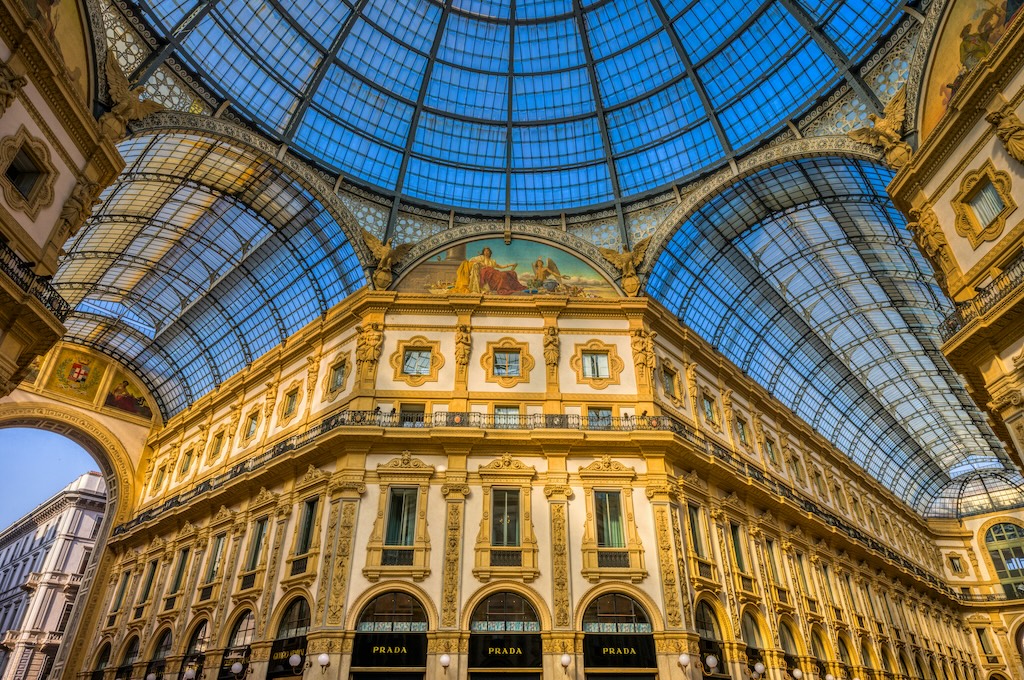
The initiative comes as health and wellness tourism gains greater attention across Europe. Earlier this year, the HEALTHXCHANGE Summit in Varna similarly called for stronger coordination between healthcare, prevention and tourism, while Italy was recently named the World’s Best Spa Destination for 2026.
The discussion is set to continue in June 2027, when the Belgian city of Spa will host a joint event organised by ESPA and the European Historic Thermal Towns Association. The location carries particular significance: Spa’s mineral waters have shaped the town’s identity and tourism development for centuries.