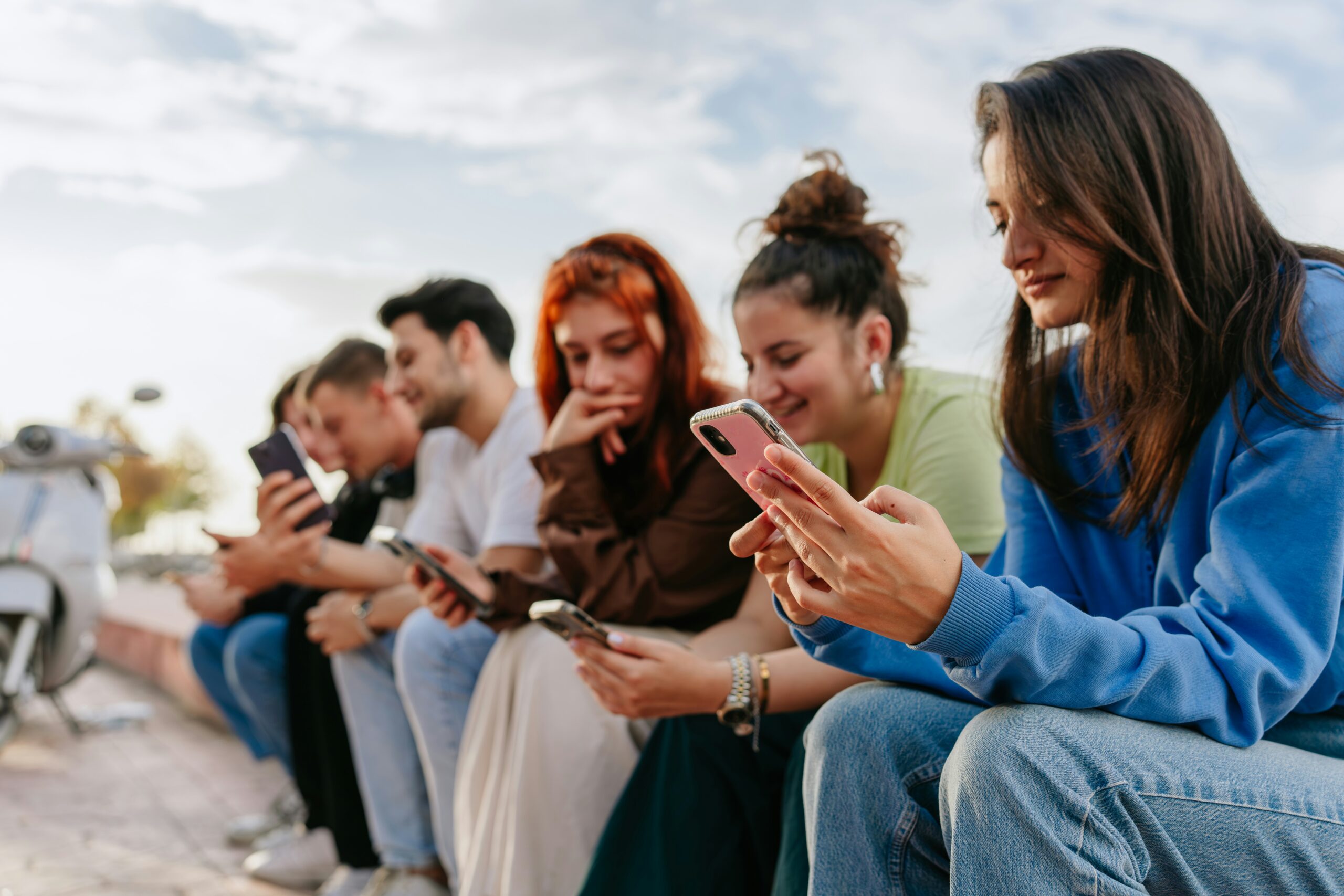


Google searches for the meaning of teenage slang are surging in 2026, as Gen Alpha’s rapidly evolving online vocabulary leaves many older internet users struggling to keep up.
A study by word-game website Unscramblerer analysed Google Search trends from January through the end of August 2026 to identify the Gen Alpha slang terms people have been looking up most frequently. The findings highlight how social media, memes, music and online communities are continually reshaping everyday language.
“Using slang is a social signal. What people search for can tell us something about what they are trying to understand and participate in culturally,” Unscramblerer spokesperson Randoh Sallihal said.
“Slang may look like a collection of throwaway jokes from the internet, but psychology suggests it is doing something much more interesting. Using slang helps people navigate identity and belong to a community,” he added.
@dr.anika.ackerman I really can’t take him 😭 #sixseven #67 #genx #millenialsoftiktok #toddlersoftiktok ♬ original sound – Dr. Anika Ackerman
Among the most searched expressions is “6-7”, a largely meaningless phrase that became an internet phenomenon after appearing in rapper Skrilla’s song “Doot Doot (6 7)” and subsequently spreading through viral videos. Its popularity continued into 2026 after Dictionary.com selected “67” as its 2025 Word of the Year.
Other frequently searched terms include “chud”, now commonly used as an insult for someone considered unpleasant or unattractive, and “rizz”, a shortened version of “charisma” that refers to someone’s charm or ability to flirt. “Cap” means a lie or exaggeration, while “no cap” is used to emphasise that someone is telling the truth.
Meanwhile, “bop”, once widely used to describe a catchy song, has acquired a more derogatory meaning online, where it can be used to insult or shame someone, particularly women perceived as promiscuous. “Aura” refers to someone’s perceived coolness or charisma, while “aura points” act as an imaginary measure of social status. The term “Scuba” has emerged as the name of a dance gesture used to signal that something smells bad.
@cliptokvideo SCUBA SCUBA 🤿 #scuba #zootopia2 #fox #scubatiktok #scuba ♬ SCUBA JUKE(IT STANKKK) – h5wk
Other expressions demonstrate how existing words have been repurposed by younger internet users. LARP, originally associated with live-action role-playing, has been transformed into “larper” or “larping”, which can now describe someone pretending to have a lifestyle or identity they do not actually possess. “Crash out”, meanwhile, describes losing control emotionally or having a tantrum.
Separate terms drawing searches include “quiet on the creek”, used when someone is keeping something private or staying quiet, “crine”, an intentionally altered spelling of “crying”, and “Fanum Tax”, a phrase referring to taking some of another person’s food.
@alysha.shoooot Replying to @Laythesaint #quietonthecreek #quietonthecreekmeaning #gottabequietonthecreek #whatdoesitmean #creek ♬ original sound – alysha.shoooot
“Delulu”, short for “delusional”, describes someone with unrealistic beliefs or expectations, often used humorously or self-deprecatingly. “Bird”, meanwhile, can be used as a negative term for a woman perceived as overly focused on men or making questionable decisions because of romantic relationships.
The search trends illustrate how quickly internet slang can move from niche online communities into wider conversation, often leaving people outside younger generations searching for explanations.