


Every year, the European Commission names two cities that get to take home the titles of European Capital and Green Pioneer of Smart Tourism. In 2027, both categories will merge together and become the European Capitals of Tourism competition – sixteen cities have been shortlisted.
As a way of celebrating World Tourism Day 2027, the European Commission has put its new European Capitals of Tourism competition in the spotlight by resharing its shortlist of selected candidates.
“In Europe, tourism drives the economy, innovation and cultural exchange. That’s why we recognise cities that excel in accessible, digital, sustainable and cultural tourism with the European Capitals of Tourism award,” the Commission wrote in a post on X.
The sixteen cities were chosen after an extensive independent expert evaluation of applications submitted from across Europe. They were assessed on their innovative practices in sustainability, accessibility, digitalisation, and support to cultural heritage, creativity, and local talent. The competition was open to EU cities and to non-EU countries participating in the Single Market Programme (SMP).
Big cities
The Commission will eventually select two winners across two categories. The first category of cities covers those counting over 100,000 inhabitants and received applications from 43 cities across 18 countries. The shortlist boasts eight cities from as many countries, up from the initial four due to the high quality of applications and several cities being tied in the evaluation.
- Aalborg (Denmark)
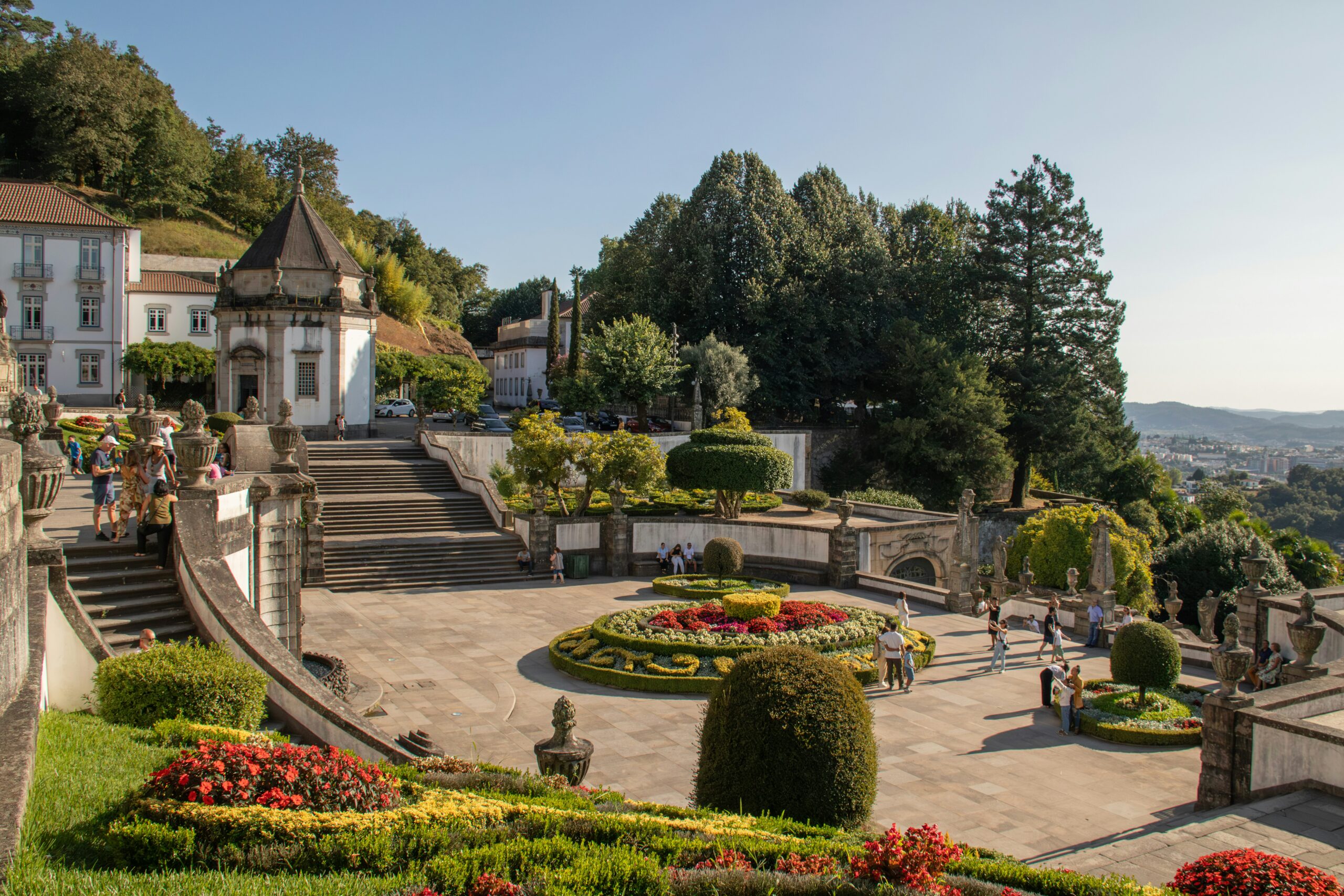
- Braga (Portugal)
- Genoa (Italy)
- Konya (Türkiye)
- Ljubljana (Slovenia)
- Lviv (Ukraine)
- Salzburg (Austria)
- Sofia (Bulgaria)
“This assessment was made by independent European experts who analyse data, not campaigns. For us, it is an external assessment of the work done by the entire tourism ecosystem of Sofia,” Anton Penev, director of Sofia Municipality’s Tourism Municipal Enterprise, commented to Sofia news agency Novinite on the nomination.
In their application, cities were asked about their approach to a selection of subjects, going from accessibility and sustainability to digitisation and creative and cultural heritage. The more specific the description regarding best practices, the better the chance became for their application to be scored highly. By giving concrete numbers and demonstrating the tangible, measurable results, applicants had the best chance of making the shortlist.
Small cities
The second category concentrates on cities with 25,000 to 100,000 inhabitants. Overall, 40 cities from 17 countries applied to be selected, but once again, the shortlist was reduced to just eight competitors.
- Calais (France)
- Calvià (Spain)
- Geestland (Germany)
- Ibiza (Spain)
- Nova Gorica (Slovenia)
- Sandanski (Bulgaria)
- Selçuk (Türkiye)
- Zadar (Croatia)
The smaller European Capitals of Tourism competitors were asked about the strategies or measures they had implemented to boost sustainable tourism through innovative and green transition practices. The competition aims to foster the exchange of best practices between European cities by identifying successful and transferable measures that can work for multiple destinations.
Representatives from all sixteen shortlisted cities will be invited to present their proposals to the European jury on 18 and 19 November 2026 in Brussels. Following these presentations, the jury will announce two winners of the European Capital of Tourism 2027 title.