


Artificial intelligence is already changing how travellers decide where to go, where to stay and what to experience. But as the tourism sector embraces the technology, a more fundamental question is emerging: will AI help spread visitors to lesser-known destinations or simply send even more people to places that are already overcrowded?
That question was at the heart of World Tourism Day 2026, marked on Sunday, 27 September, under the theme “Digital Agenda and Artificial Intelligence to Redesign Tourism”. El Salvador hosted this year’s official celebrations, bringing together governments and tourism leaders to discuss the growing influence of digital technologies on the sector.
In his message for World Tourism Day, United Nations Secretary-General António Guterres highlighted both sides of the transformation.
AI, he said, is changing how travellers choose destinations, how the industry operates and how travel experiences are designed. The technology can strengthen small businesses, improve services and create new opportunities. Yet Guterres also issued a warning: left unchecked, it could “funnel tourists to the same few places and platforms”, leaving other destinations behind.
AI is changing how travellers choose destinations, how the industry operates & how travel experiences are designed.
— António Guterres (@antonioguterres) September 27, 2026
Tourism workers, local communities & emerging destinations must help shape what comes next.
Let us build a digital future for tourism that is open, inclusive &…
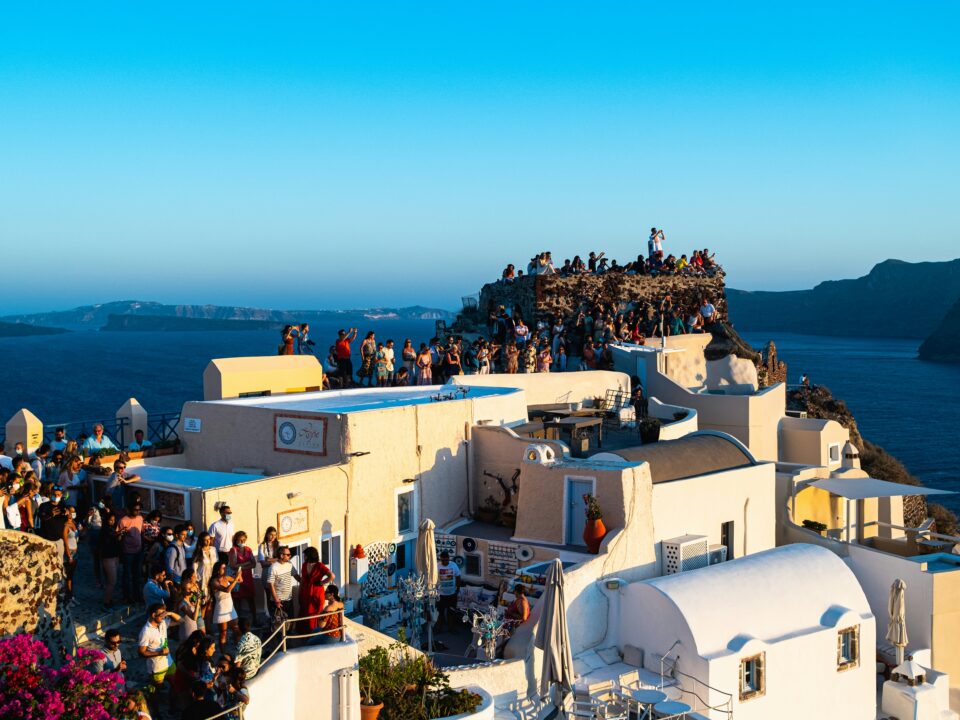
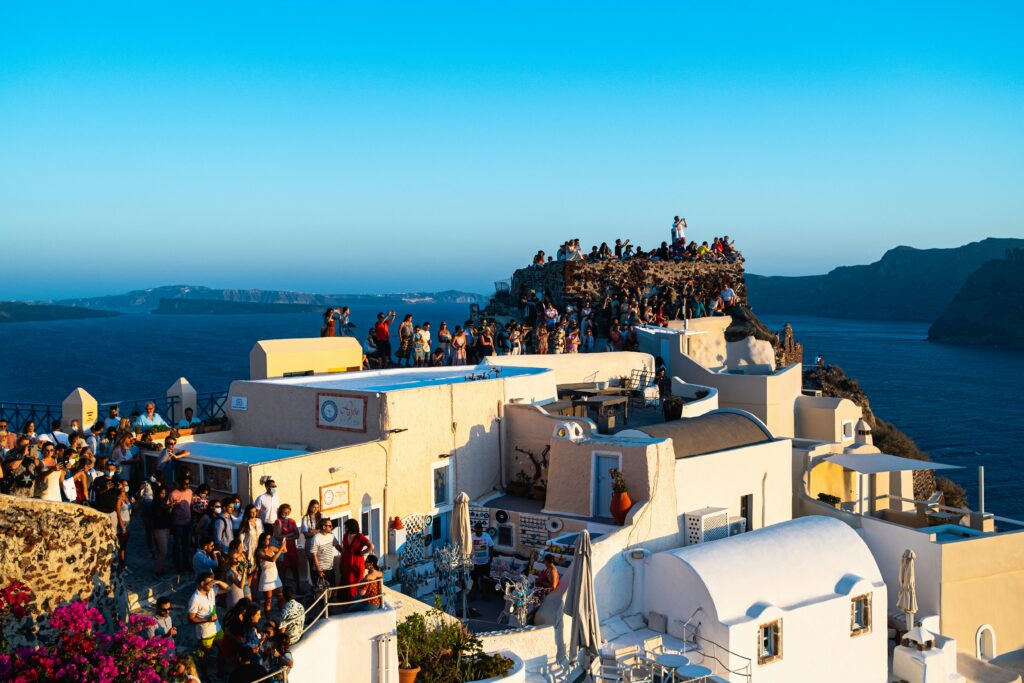
The warning comes at a time when some of the world’s most popular destinations are already struggling to manage visitor numbers. Across Europe in particular, overtourism has become an increasingly important political and social issue, from pressure on housing and infrastructure to congestion and the impact of tourism on residents’ quality of life.
The concentration is significant. As Travel Tomorrow reported in July, just seven regions account for almost 20% of all nights spent in tourist accommodation across the European Union. Canarias, Jadranska Hrvatska, Île-de-France, Cataluña, Andalucía, Veneto and Illes Balears dominate the list.
AI could help spread tourism beyond the hotspots
AI could potentially become part of the solution.
Better data and predictive tools can help destinations understand visitor flows, anticipate periods of particularly high demand and encourage travellers towards different neighbourhoods, regions or seasons. Recommendation systems could also give smaller destinations and businesses access to travellers they previously struggled to reach.
The technology is already influencing those decisions. A study reported by Travel Tomorrow in August found that 54% of travellers had already used AI to plan a trip and 75% intended to do so in the future. Around 40% had discovered places through AI, while 29% had changed their destination based on AI recommendations.
When algorithms reinforce overtourism
But algorithms can also produce the opposite result.
If millions of travellers ask similar AI assistants for the “best” European city break, beach, restaurant or attraction, recommendations risk becoming increasingly concentrated around a relatively small number of highly visible places. Destinations that are poorly represented online, lack structured digital information or do not have the resources to compete for visibility could become even less discoverable.
The same challenge is already emerging in the accommodation sector. Hotels that spent years mastering search engine optimisation, online travel agencies and review platforms are now having to consider how they appear in AI-generated answers.
That makes the debate about AI in tourism not only technological, but also economic and political. Who determines which destinations appear in an AI-generated itinerary? How transparent are those recommendations? And how can small businesses and emerging destinations compete as travellers increasingly move from traditional search engines towards conversational AI?
The debate also comes at a particularly uncertain moment for international tourism. According to the latest UN Tourism World Tourism Barometer, international tourist arrivals increased by just 0.4% during the first half of 2026, with around 690 million people travelling internationally.
Europe nevertheless remained resilient, welcoming almost 350 million international tourists, 3% more than during the same period last year. Travel Tomorrow reported last week that the Middle East conflict, higher oil prices, inflation and disruption to air connectivity were increasingly influencing where and how people travel.
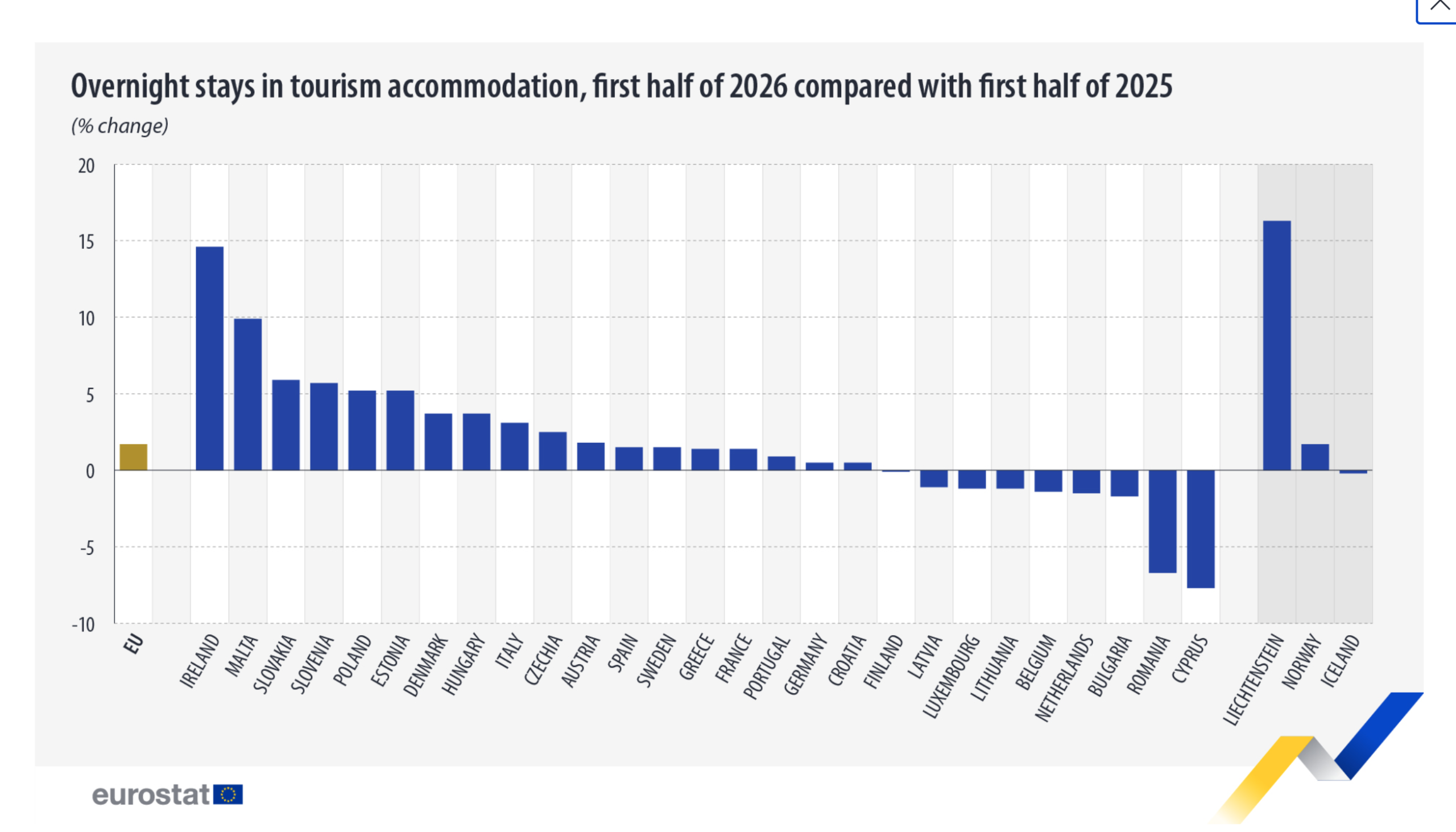
Within the EU, Eurostat recorded 1.32 billion overnight stays in tourist accommodation during the first six months of 2026, an increase of 1.7% compared with the same period last year.
Managing tourism rather than simply attracting more
Europe therefore faces a challenge that is increasingly about managing tourism better, rather than simply attracting more visitors.
World Tourism Day 2026 offered an opportunity to consider whether AI can contribute to that shift.
Technology alone will not solve overtourism. But used intelligently, AI could help destinations better understand demand, spread visitors geographically and throughout the year, connect travellers with places outside established tourism hotspots and give smaller tourism businesses greater visibility.
The alternative is that the same technology designed to expand choice ends up narrowing it.
As Guterres put it in his World Tourism Day message, “Technology must serve humanity.” For tourism, that increasingly means ensuring that the algorithms helping decide where millions of people travel next also work for the communities and destinations receiving them.