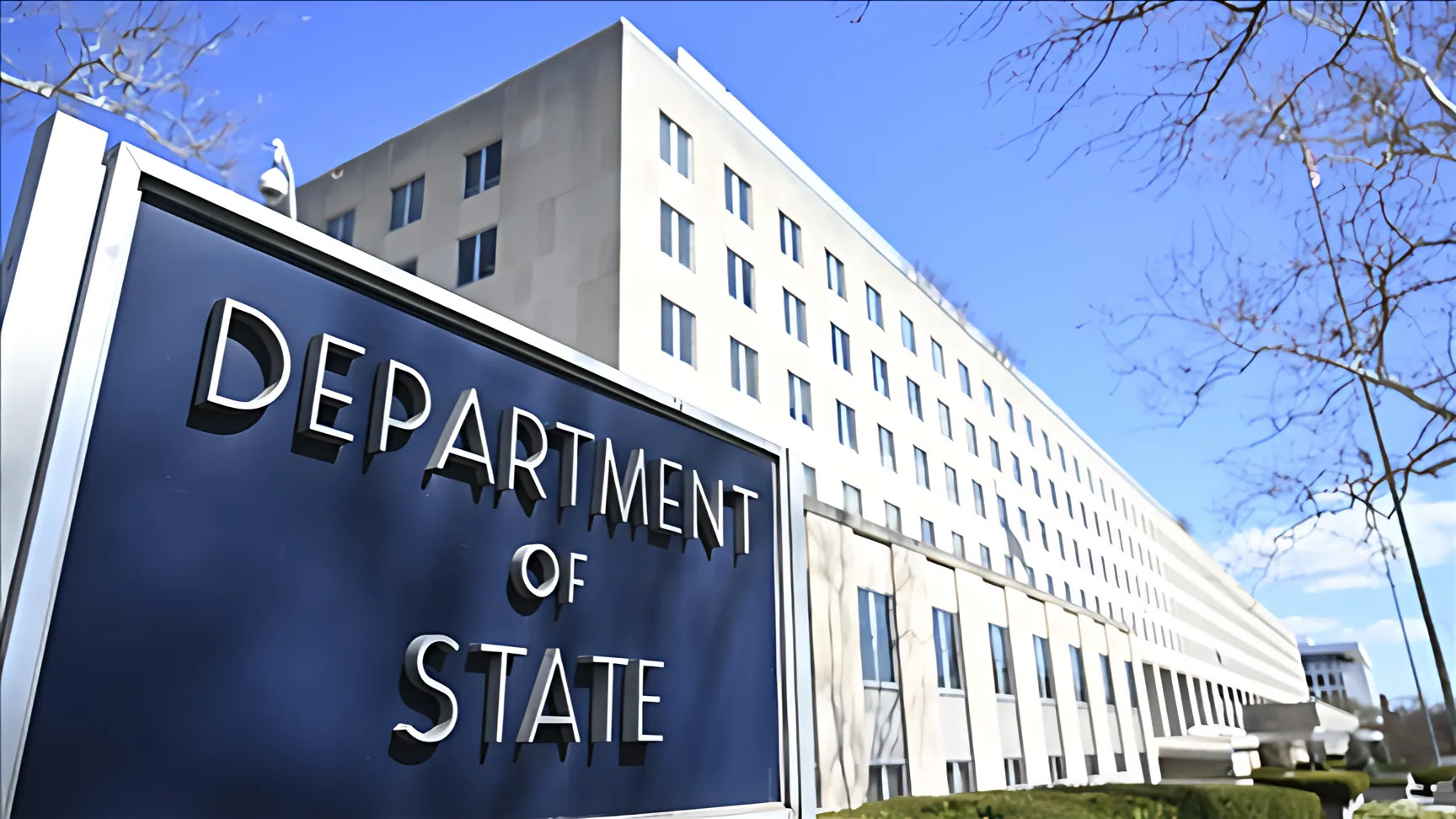



The US State Department has urged Americans to seriously reconsider their travel plans to and through the Middle East. A potential “unforeseen escalation” is likely to cause flight cancellations, airspace closures, and travel disruptions.
On Saturday, 19 September 2026, the US government renewed its travel warning regarding the Middle East through a post on social media platform X.
“Due to tensions in the Middle East, the security environment remains complex with the potential for unforeseen escalation. Americans currently in the Middle East should exercise heightened vigilance and be aware of potential flight cancellations, airspace closures, and travel disruptions. Iranian-supported Houthis have engaged in hostilities against Saudi Arabia, including civilian airport,” the US government stated.
Saudi Arabia: Due to the ongoing security situation in Saudi Arabia, U.S. government employees who work in Saudi Arabia now require special authorization for all official and personal travel to the cities of Taif and Yanbu. Regular and emergency consular services are available… pic.twitter.com/Hzdxaal5pl
— TravelGov (@TravelGov) September 20, 2026
The warning comes as Iran-backed Houthi rebels in Yemen announced to have attacked “sensitive” sites in the Saudi Arabian capital Riyadh, using missiles and drones. The claim was made hours after flames and a plume of black smoke were spotted above Riyadh airport.
“This military conflict has the potential to escalate rapidly. Americans outside the Middle East should seriously reconsider travel to and through the region. Those who do travel to or from the region should monitor information about airport and airline operations. U.S. diplomatic facilities, including outside the Middle East, have been targeted. Iran and groups supportive of Iran may target other U.S. interests overseas or at locations associated with the United States and Americans throughout the world, including U.S. businesses and other institutions,” the travel warning continues.
Although the post on X caught the attention of many, the advice as such is not new. The advisory status regarding the Middle East has been in place since the outbreak of the US-Israel war on Iran at the end of February. While Iran, Iraq, Lebanon, Syria, and Yemen received a red ‘do not travel’ warning from the US State Department, Bahrain, Israel, the West Bank and Gaza, Jordan, Kuwait, Oman, Qatar, Saudi Arabia, and the UAE feature an orange ‘reconsider travel’ advisory.
Every few months, however, the US government has been reminding American citizens of the possible dangers involved in traveling to the region, especially since airspaces across the region have been reopening.
As US President Donald Trump has once again threatened to destroy the entire country of Iran in a phone call with Fox News, and as Iran’s military central command has stated that any new assault would be met with retaliation against US military bases, interests, and allies, renewing the travel advice seems appropriate.
Since the outbreak of the war in the Middle East in February, the aviation industry in the region has been heavily affected. The release of second-quarter 2026 figures for Dubai International Airport revealed that passenger traffic fell sharply due to disruption, marking a year-on-year decline of 31.3% for the period. Meanwhile, the wider Middle East region was a 32.1% decrease in aircraft movements in Q2. Moreover, international tourism growth slowed to 0.4% in the first half of 2026, as conflict in the Middle East, higher oil prices, and persistent inflation put pressure on travel demand and costs.