

The impact of this year’s Middle East security crisis on aviation in the region is becoming clearer, with the release of second-quarter 2026 figures for Dubai International Airport. The data show passenger traffic fell sharply due to disruption caused by the US-Israel war on Iran, as missiles and drone strikes from Iran closed airspace and airports across the region.
Traffic dropped to 13 million passengers for the quarter, and to 31.5 million for the whole first half of the year—a decline of 31.3% for the period, year-on-year. The wider Middle East region suffered a similar drop in aircraft movements, falling 32.1% to 62,500 movements in Q2, and 150,600 for the first half of the year.
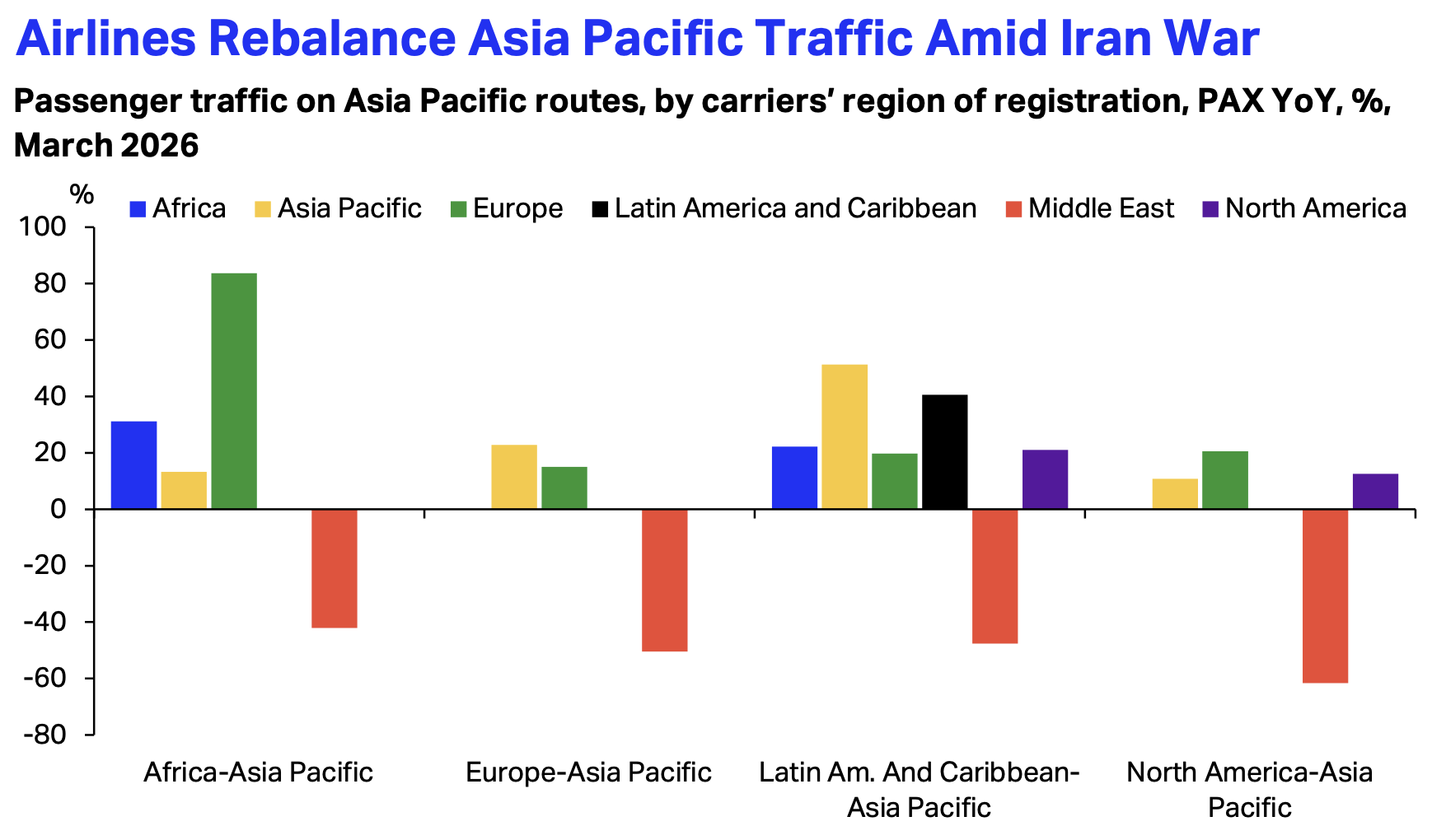
Passengers, holidaymakers, and foreign residents in the United Arab Emirates were left stranded by the impact of the war on commercial aviation, with nations and airlines forced to operate emergency repatriation flights in some cases. The situation damaged consumer confidence in choosing destinations around the Arabian Gulf and peninsula, as images of drone strikes circulated on social media, with influencers and others cowering in hotel foyers.
In July, Dubai began offering residents rewards worth more than €700 for persuading friends and family to visit the emirate, as authorities launched a new tourism initiative designed to encourage travel during the traditionally quieter summer season.
The “A Dubai Invite” programme, launched by Dubai’s Department of Economy and Tourism (DET), gives UAE residents and citizens the chance to invite friends and relatives living abroad to visit the city between 20 July and 31 October 2026. In return, residents can unlock benefits worth more than AED 3,000 (€716), with access to over 20 perks, including hotel stays, dining experiences, attraction tickets and lifestyle offers.
But speaking to the Associated Press, Dubai’s CEO Paul Griffiths has pointed to an upward trend in passenger volume over the second quarter as a sign of hope and returning positive sentiment, saying, “The events of the disruption, which lasted two months, that had an impact on traffic. However, the trajectory now is universally positive.”
Weeeeeeeeeelcome to Dubai 💙
— DXB (@DXB) August 20, 2026
We’ve missed you, and we’re so excited to welcome you with a little taste of our Arabian hospitality. Keep an eye out as you arrive at or transit through DXB. We’ve got smiles, music, treats and a few surprises waiting for you along the way ✈️… pic.twitter.com/foGNyBklLz
The airport, which suffered minor damage during the military tensions, is anticipating the return of carriers that pulled out of Middle East routes amid the security threat and fuel crisis, swapping capacity to different routes and destinations. “I’m very confident we’ll be back to full operation in a very short space of time,” Griffiths said.
However, the key shipping and oil route of the Strait of Hormuz remains essentially closed, with Iran failing to succumb to efforts by the US and Israelis to exert enough military and financial influence over the matter.