
From Brussels to Dubai and from Europe to emerging markets, the Global Tourism Forum is building a new model for connecting governments, global business and investment.
Tourism is no longer simply an industry defined by arrivals, hotel nights and visitor spending. It has become a strategic instrument for economic development, investment, diplomacy, urban transformation and international cooperation.
This is the space in which the Global Tourism Forum (GTF) is positioning itself: as a high-level meeting point where governments, investors and global business leaders come together to shape the future of tourism.
The official teaser for Global Tourism Forum Annual Meeting 2026 is now released.
— Global Tourism Forum (@gtourismforum) August 11, 2026
In a world searching for connection, confidence and cooperation, tourism stands at the gateway of a new global chapter.
On 9–10 November 2026, Brussels — the political heart of Europe — will host… pic.twitter.com/lWhzzuyBqw
With its international operations centred in Dubai and Brussels, the Global Tourism Forum has evolved into a business-led organisation focused on public-private collaboration, tourism investment, destination development and policy dialogue.
Its purpose is not to replicate the traditional conference model. Instead, GTF aims to create an environment in which decisions can be accelerated, partnerships can be formed and destinations can connect directly with the capital, expertise and international networks required for growth.
A broader definition of tourism
The Forum’s agenda reflects the changing nature of the global tourism economy.
Aviation, hospitality and destination promotion remain fundamental, but today’s discussions increasingly extend to infrastructure, urban mobility, digital transformation, cybersecurity, real estate, sustainability, investment finance and international cooperation.
Tourism is connected to almost every major economic sector, and the Global Tourism Forum is designed around that reality.
This approach can be seen in the Forum’s growing international calendar.
In Brussels, the Global Tourism Forum Annual Meeting brings together ministers, government representatives, investors, chief executives, international institutions and influential figures from across the global tourism economy.
The 2026 Annual Meeting, taking place on 9–10 November in Brussels, will once again place the European capital at the centre of a global conversation on tourism competitiveness, investment and international cooperation.
Brussels provides a particularly relevant setting. As the political capital of Europe and home to major international institutions, it allows tourism to be discussed not only as an industry but also as an increasingly important economic and policy priority.
For destinations, the value lies in access to decision-makers and capital. For private-sector participants, the Forum provides direct engagement with governments and new markets. For policymakers, it offers an opportunity to understand how global investors and industry leaders are responding to a rapidly changing international environment.
From dialogue to investment
The Global Tourism Forum model also extends far beyond Europe.
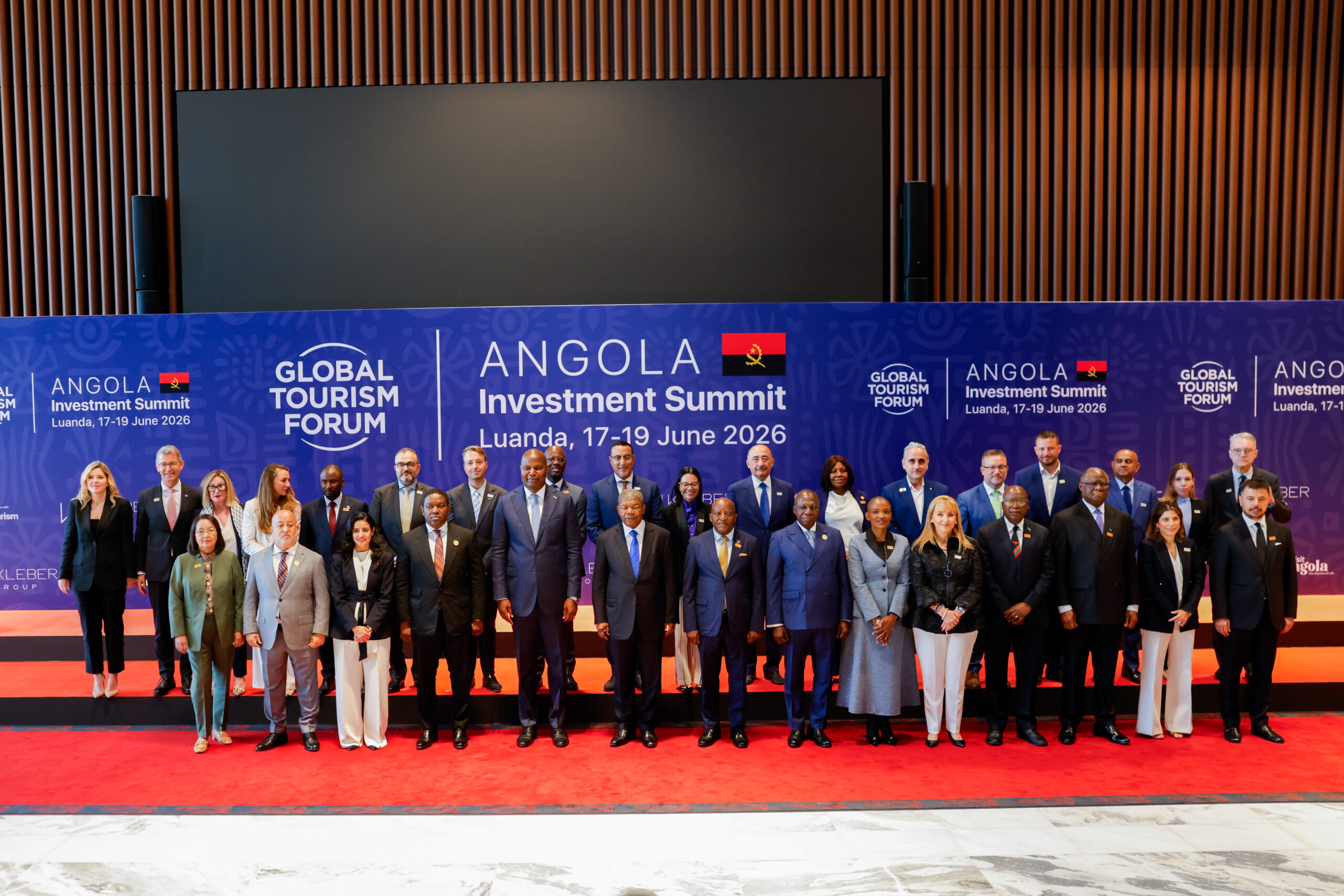
In June 2026, the organisation convened the GTF Angola Investment Summit in Luanda, bringing together political leaders, international institutions, global hotel groups, investors and development partners.
The summit attracted approximately 1,500 participants and resulted in around 15 memoranda of understanding covering investment, development, international cooperation and training.
Angola demonstrated one of GTF’s central principles: destinations need more than international promotion.
They need investment pipelines, bankable projects, international visibility, access to developers and operators, and structured engagement with the global investment community.
For emerging destinations in particular, tourism can act as a catalyst for employment, infrastructure development, foreign direct investment and economic diversification, but only when political ambition is connected with capital and execution.
The Forum therefore places a strong emphasis on outcomes.
Its meetings are designed to connect ministers and destination leaders directly with investors, operators, developers and strategic partners, with the objective of converting dialogue into projects, partnerships and long-term relationships.
Relationships matter
Alongside its major summits, GTF also uses smaller leadership formats to deepen relationships and move discussions forward.
Its invitation-only Leaders Dinners, organised in international centres including Berlin, Cape Town and Dubai, bring together a select group of ministers, ambassadors, investors, developers and senior executives in an environment designed for direct and candid conversation.
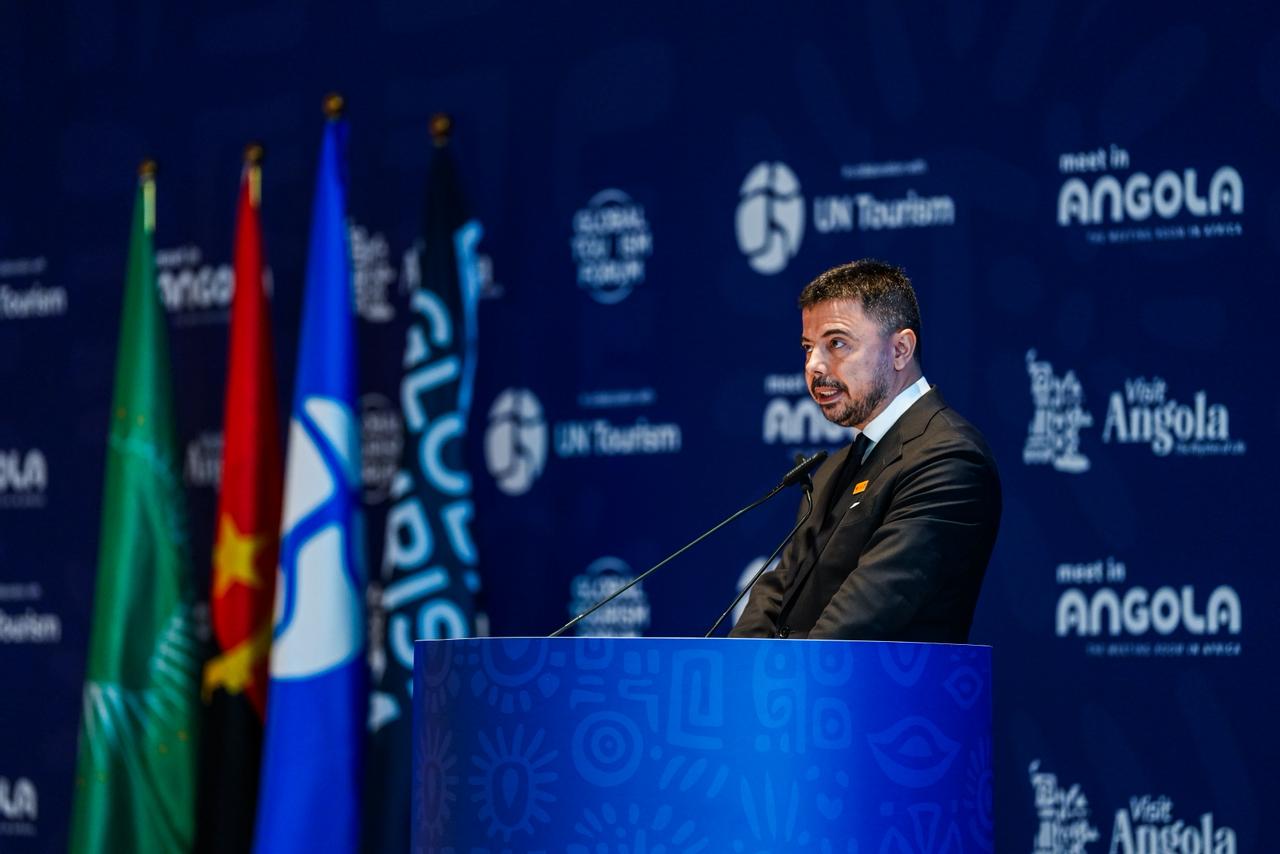
These gatherings complement the larger Forum meetings by creating space for potential partnerships, investment opportunities and policy priorities to be discussed away from the formal conference stage.
The combination of international visibility and smaller, relationship-driven engagement has become an important part of the Global Tourism Forum model.
Measuring the future
The same philosophy is shaping GTF’s broader work in research and investment intelligence.
Through initiatives such as the World Tourism Investment Index, the organisation is developing frameworks that can help governments, investors and businesses better understand tourism competitiveness and investment potential.
The Index assesses 217 countries through 18 indicators across five categories, offering a global perspective on investment conditions and market readiness.
Looking ahead, the Global Tourism Forum’s ambition is clear: to strengthen its position as a bridge between destinations and global capital, between governments and business, and between tourism policy and real-world investment.
The tourism sector is entering a new era in which competitiveness will depend on far more than visitor numbers.
Infrastructure, technology, mobility, security, sustainability, financing and international partnerships will increasingly determine which destinations succeed.
The Global Tourism Forum intends to be where those conversations become decisions, and where those decisions become investment, growth and long-term value for destinations around the world.