

The role of short-term rentals in a perceived decline in quality of life in some of the world’s most iconic neighbourhoods is in the news again, following moves by a council in Tokyo to prohibit private holiday lodgings.
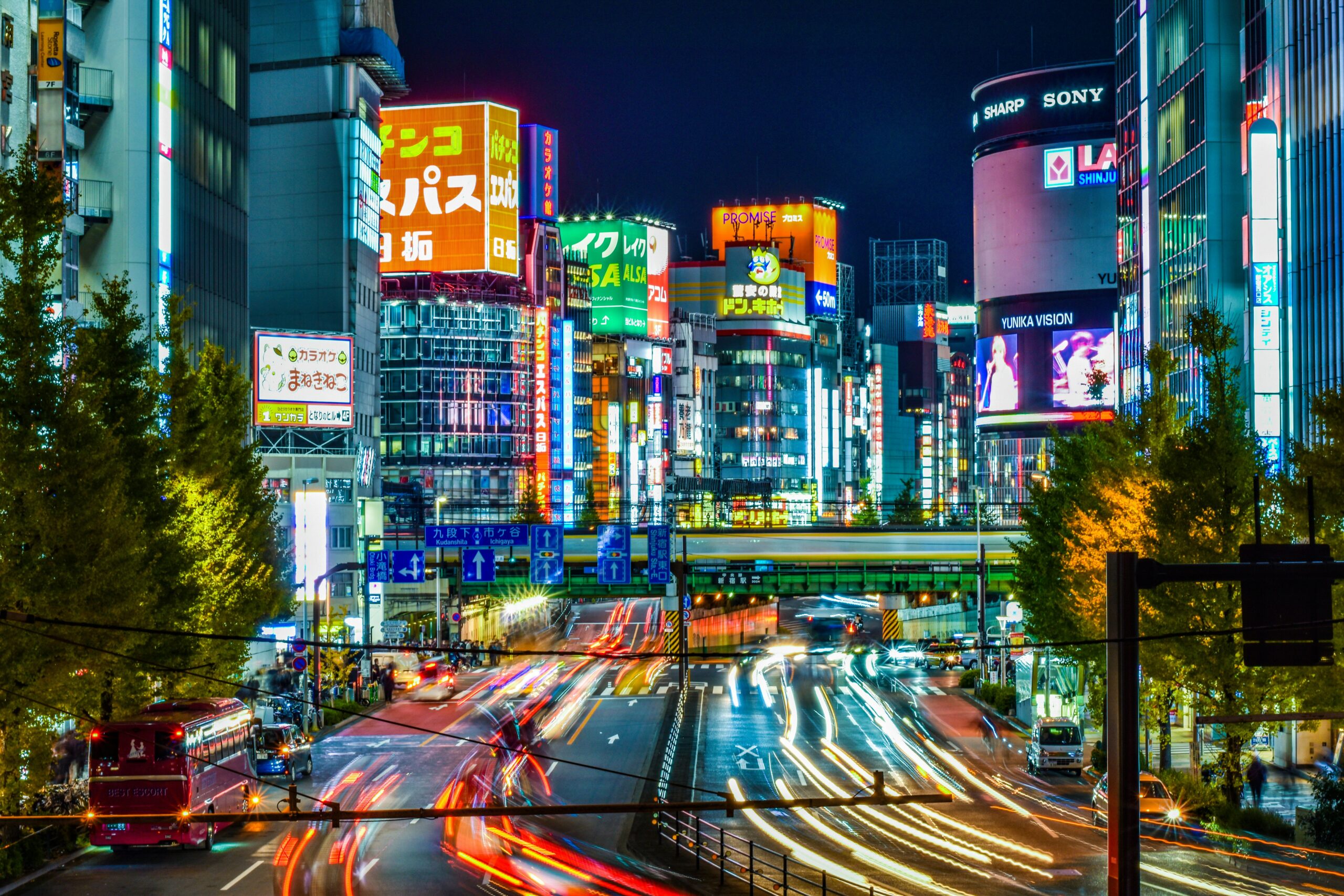
Shinjuku, one of 23 wards in the Japanese capital, is known for its bustling atmosphere, and thriving night-time economy. It boasts the world’s busiest railway station, as well as around 10% of Japan’s total private rental accommodation, but is developing a new reputation among its residents – for antisocial behaviour by tourists.
Visitors to the area are accused of littering, noise pollution, smoking, and even trespassing in a massive 1,300 complaints from residents in just the 12 months to March 2026, leading the local official with responsibility for holiday lets to tell AFP that the district was “planning to revise the current ordinance… to ban private lodging” near educational establishments and residences.
The official drew a direct correlation between private short-term rentals and dissatisfaction among long-term inhabitants, saying: “As the number of private lodging businesses has risen, complaints and troubles around them have increased.”
In response to the surge in residents’ grievances, the new proposal to ban short-term rentals could affect up to 50% of the 3,775 private lodgings, or minpaku, registered in district by the Japan Tourism Agency (JTA).
Remaining short-term lets in residential areas will face calendar restrictions meaning they can only be rented out for 120 days per year, reducing the availability by a third in comparison to the current 180 nights allowed.
The aim of the measure, which is likely to be approved by the mayor by February following a period of public consultation, is to promote a “tranquil living and educational environment” and limit behaviours that “hinder the maintenance of a permanent population and local community,” as per guidelines issued by the Japanese Tourist Agency in July 2026 that permit municipalities to regulate their own short-term rental market.
Despite the backlash, short-term rental giant Airbnb responded hopefully, telling the Guardian it takes local concerns seriously but believes “there is a version of this ordinance that protects residents’ quality of life without closing responsible, licensed hosts, and we want to help find it.”
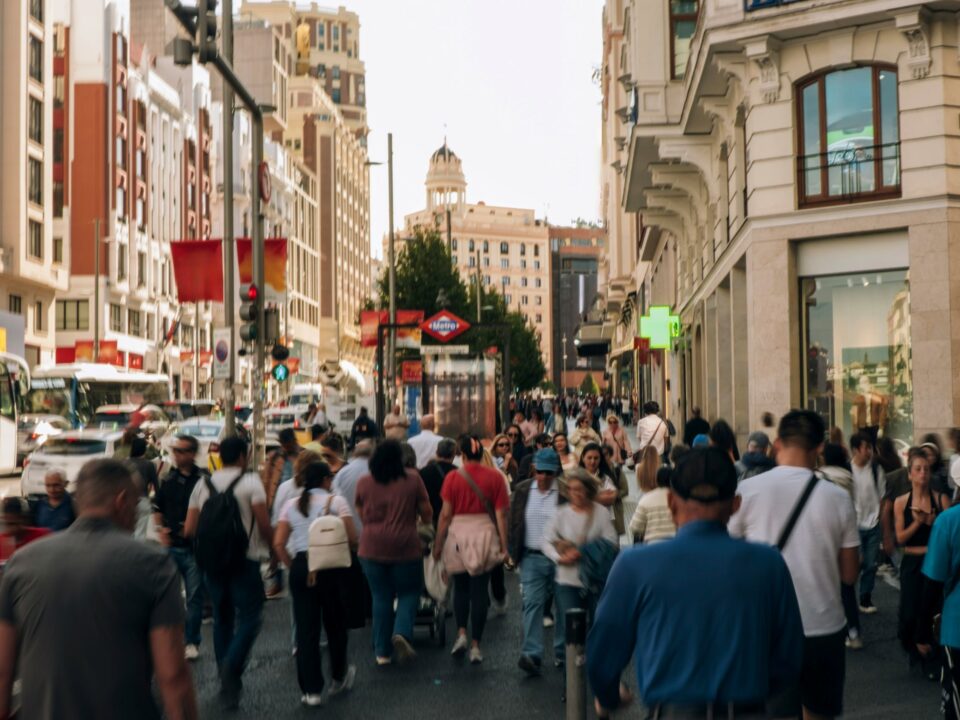
Platforms such as Airbnb have made it easier for would-be landlords to rent out properties and have faced increasing criticism for their disruption of residential marketplaces around the world. Popular tourist destinations, notably in Spain have raised legal challenges and forced Airbnb to remove tens of thousands of non-compliant properties from its listings. Barcelona is heading for an outright ban on tourist flat rentals by 2029, while New York is insisting owners remain living in their property if they want to rent out a room for less than 30 days.
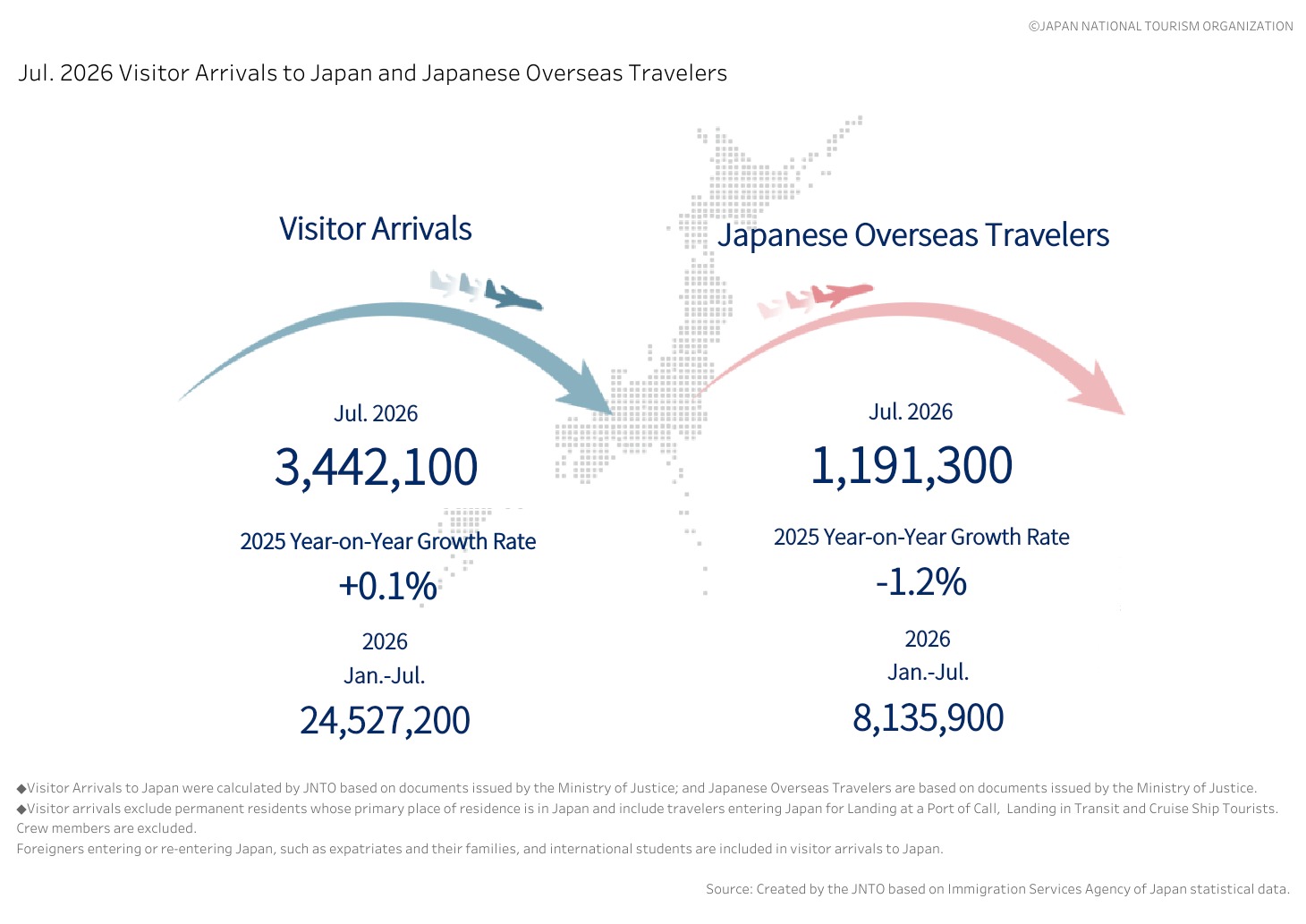
Shinjuku’s approach comes amid wider overtourism concerns, including around Mount Fuji and in Kyoto, as Japan targets 60 million tourists by 2030 as part of an economic strategy to boost exports.