


Tensions are rising over plans to expand traffic rights for a United Arab Emirates (UAE) airline in Germany, with the European Cockpit Association (ECA) warning Berlin not to grant additional access unless it can guarantee specific conditions to ensure fair competition.
The dispute comes amid a call by the Germany-UAE Business Council for the German government to support daily direct Emirates flights between Dubai and Berlin, as well as between Dubai and Stuttgart, according to a document seen by The Circuit.
The letter reportedly argues that the limited frequencies currently proposed would “neither provide a viable basis for establishing and sustainably operating the route” nor meet expected demand.
Emirates confirms readiness to launch daily services to Berlin and Stuttgart, committing more than 100 million EUR each year in operational expenses, staff, airport charges, fuel and other expenditures, subject to the approval of the German Federal Ministry of Transport. pic.twitter.com/EcaRpHhkfM
— Dubai Media Office (@DXBMediaOffice) June 9, 2026
The ECA, which represents over 44,000 European pilots, has urged Berlin not to grant additional traffic rights, calling on the German government to protect the long-term interests of European aviation and Europe’s strategic autonomy.
At stake is a long-running disagreement over traffic rights to German destinations for UAE airlines.
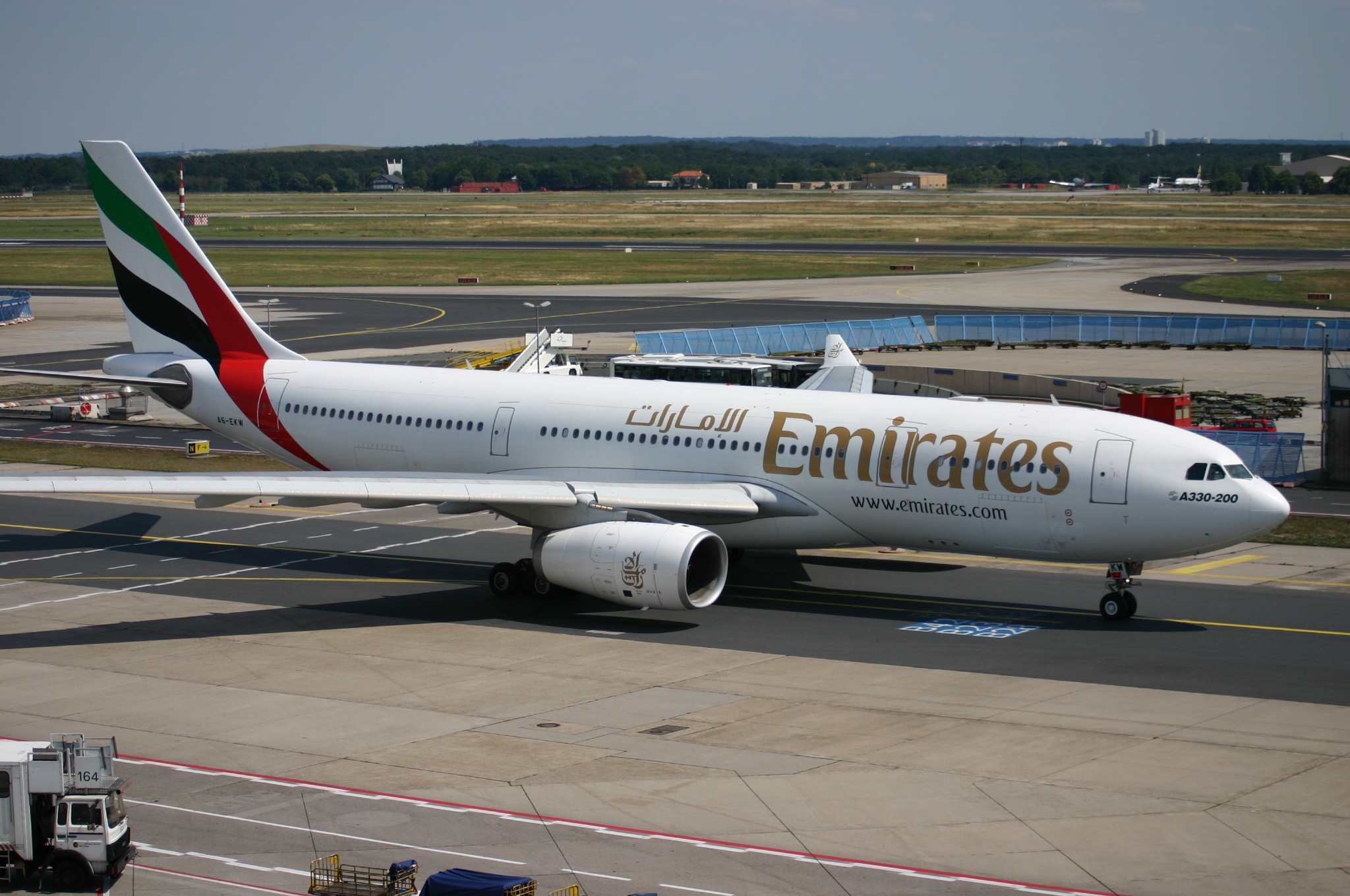
Emirates currently operates services to Frankfurt, Munich, Düsseldorf and Hamburg, and wishes to add Berlin and Stuttgart to its network. The German Transport Ministry initially offered two weekly flights to Berlin, but the Chancellery reportedly pushed for a broader agreement allowing six to seven flights a week to Berlin and Stuttgart following Chancellor Friedrich Merz’s visit to the UAE last February.
Hallo Frankfurt! Emirates' flagship @Airbus A380 is back at Frankfurt Airport, offering its passengers a daily service to and from @DXB throughout May.
— Emirates (@emirates) May 6, 2021
📸 @Airport_FRA #FlyEmiratesFlyBetter pic.twitter.com/XXDytqgHXf
However, according to the pilots, the issue goes well beyond individual traffic rights. They warn that granting UAE airlines greater access could permanently redirect traffic between Europe and major international markets, with more passengers being routed through hubs outside Europe. This would result in direct losses of jobs, value creation and competitiveness.
They argue that additional traffic rights should be put on hold while major differences in competitive conditions and social standards persist.
“Competition is important, but it must be fair”, said ECA Vice President Capt. Paul Reuter.
Among the inequalities cited is the fact that, following Russia’s invasion of Ukraine, European airlines are forbidden from flying over Russian airspace, which makes some routes longer and more expensive – especially after the hike in jet-fuel prices resulting from the war in the Middle East – while Emirates continues to use Russian airspace and can therefore operate more competitively on certain Asian routes.
The ECA also mentioned the geopolitical dimension, noting that as Europe attempts to fend off Russian military interference, including drone incursions, on European soil, UAE airlines have expanded their services to Russia. This has helped the country maintain its international connectivity.
However, the association is careful not to present itself as being against competition. In fact, it claims that effective competition is vital for the sector, but maintains that all players should be subject to the same rules and standards.
It also cautions against invoking this argument to shield established European airlines from competition, “particularly when this comes at the expense of quality and service while ticket prices remain high”.
For the ECA, the dispute raises broader questions about European aviation policy: how to balance market liberalisation and connectivity with social standards, geopolitical realities, climate regulation, and Europe’s strategic autonomy.
“The key issue is that Europe must be able to safeguard its own connectivity without becoming dependent on non-European hubs”, said Reuter.
No agreement has yet been reached between Germany and the UAE.
Lufthansa opposes the expansion of traffic rights.