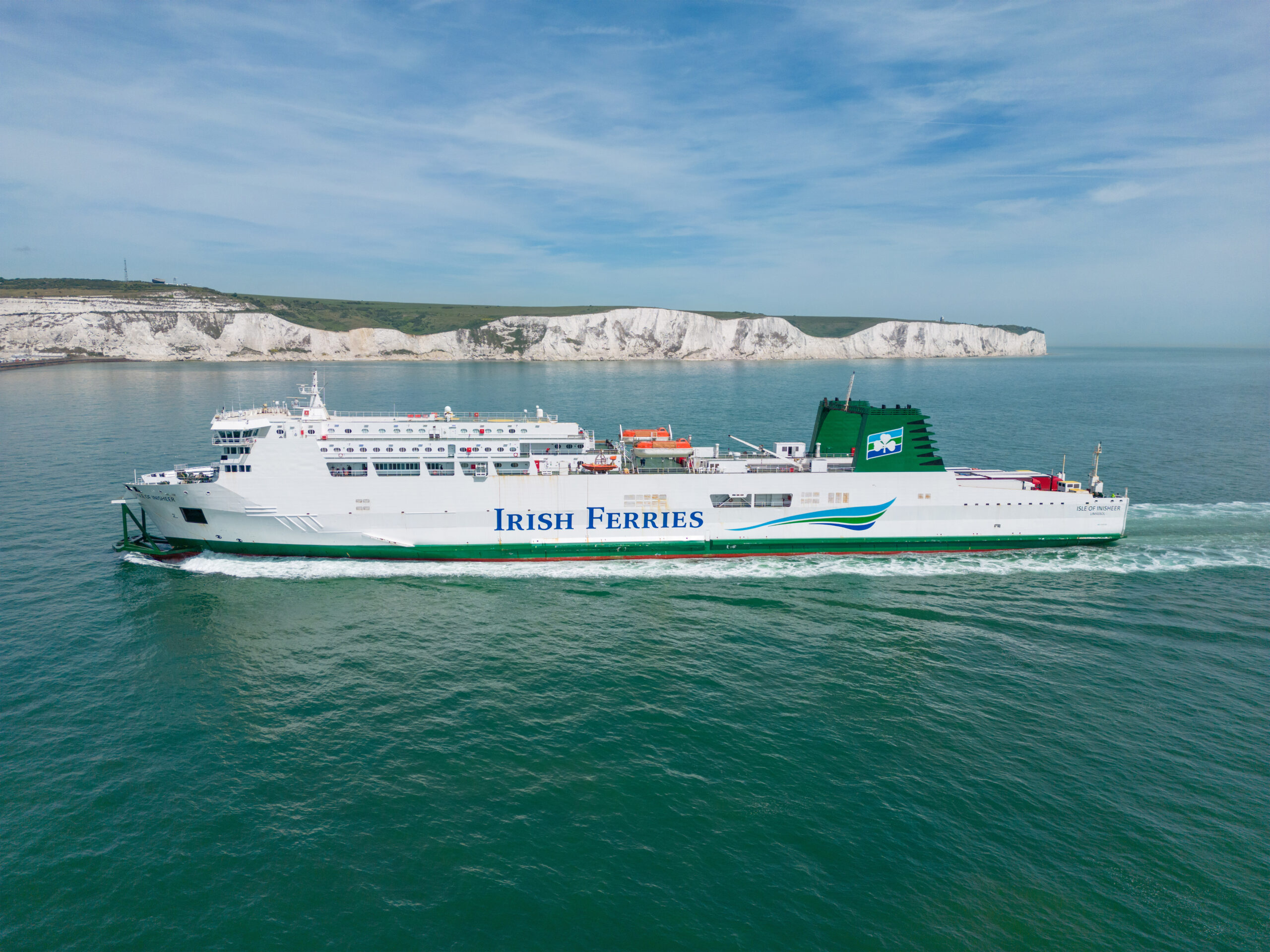



Passengers travelling by ferry between Britain and Ireland will face stricter passport requirements from 28 September 2026, with major operators introducing new rules that will require travellers to present a valid passport before boarding.
The changes affect ferry services operated by Stena Line and Irish Ferries and are being introduced to ensure the “accuracy and integrity of passenger data before boarding”, according to the ferry companies and the UK Border Force.
At present, passengers travelling between Great Britain and Ireland are not always required to show a passport and can in some cases use other forms of photo identification. That will change on several routes from the end of September.
🚨New passport requirements Irish Sea🚨
— Irish Ferries (@Irish_Ferries) August 26, 2026
From 28 September 2026, all passengers, including Irish and British citizens, travelling between the Republic of Ireland and Britain (both directions) will be required to carry a valid passport.
This is to ensure compliance with UK Border… pic.twitter.com/bWsIR7cgeT
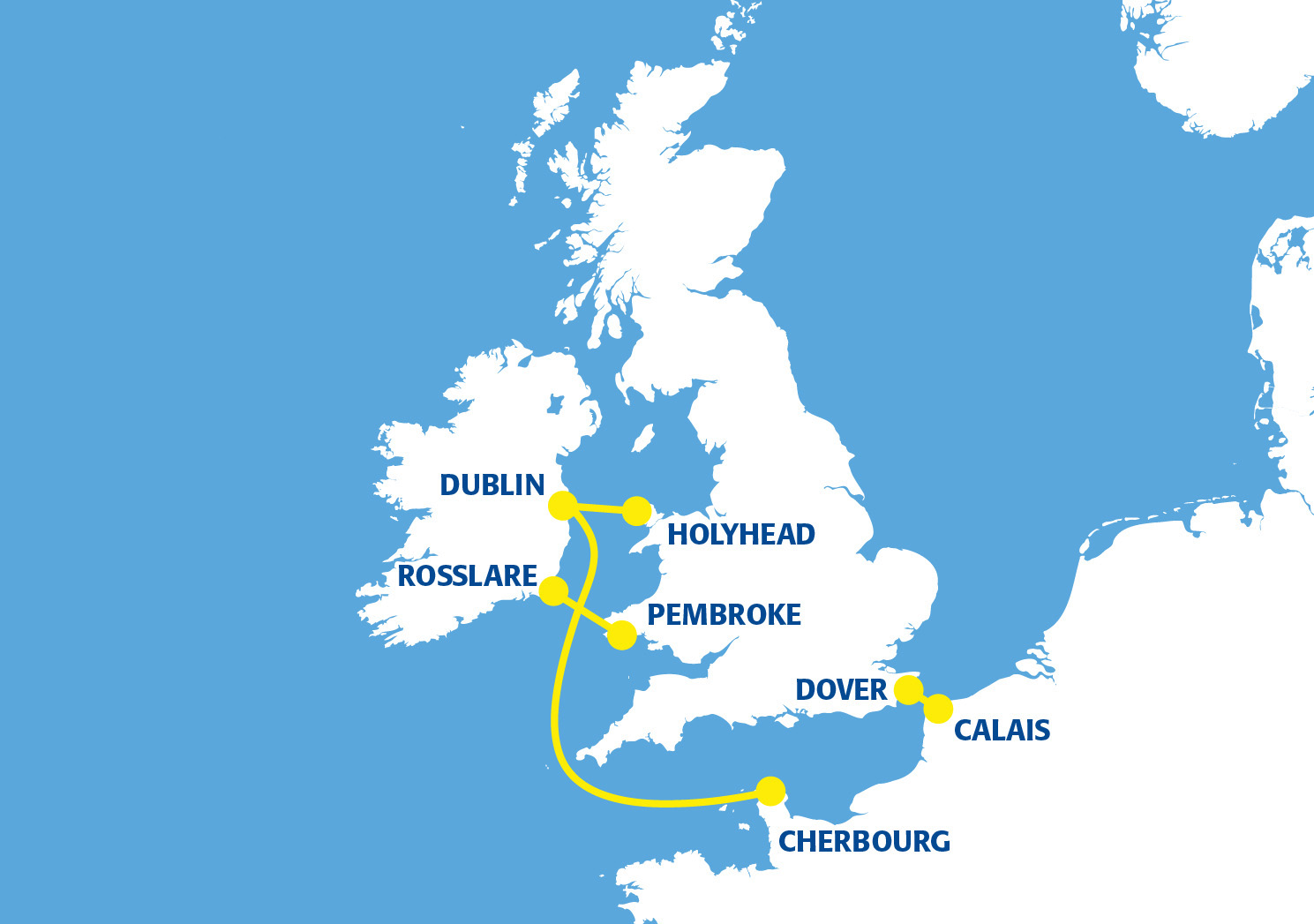
Stena Line operates services between Holyhead and Dublin and between Fishguard and Rosslare. From 28 September, passengers on these crossings will be required to present a passport before boarding. The company said customers with existing bookings are being contacted by its customer service team to help them prepare for the change.
Irish Ferries is also introducing a passport requirement on all of its routes between the Republic of Ireland and Britain. The company says that, from 28 September, every passenger must present a valid passport or Irish passport card before boarding its Dublin–Holyhead and Rosslare–Pembroke services, in both directions.
Driving licences, national identity cards and other forms of photo identification will no longer be accepted on these Irish Ferries routes once the new rules take effect. The requirement applies to Irish and British citizens as well as other nationalities.
The new ferry rules come despite the fact that Irish and British citizens are not legally required to carry a passport when travelling between the two countries under the Common Travel Area. The arrangement has been in place for more than a century and covers the UK, Ireland, the Isle of Man and the Channel Islands.
Passengers who are not British or Irish citizens may also need an Electronic Travel Authorisation (ETA) to enter Britain. Irish Ferries says an ETA may be required for visitors travelling to Britain for up to six months, including for tourism, visiting family, certain business trips or transit. Travellers who require an ETA but do not have one may not be allowed to board.
🚢 Planning a trip to the UK? Travel requirements are changing.
— DFDS Live Travel Updates (@DFDSLiveUpdates) September 1, 2026
⚠️ To enter or transit through the UK, non-UK,non-Irish eligible travellers must have an Electronic Travel Authorisation (ETA).
Applications are open now – take these steps to ensure a seamless trip:
✔️ Check if… pic.twitter.com/s306uxWD97
Irish Ferries advises passengers to apply for an ETA before travelling and to use the same passport for their ETA application and their ferry journey.
The change follows similar requirements already introduced for air travel. In February, Aer Lingus joined Ryanair in requiring passengers travelling between Great Britain and Ireland to carry passports.
Passengers planning a ferry journey after 28 September are therefore being advised to check their travel documents before heading to the port.