
Japan’s HOSHINOYA Nara Prison Hotel has opened its doors and rooms to guests, who are free to come and go as they please as long as they pay the bill, lest they end up spending the night in a rather less luxurious detention centre.
The architects behind the redesign made a deliberate choice to keep as much of the original prison intact as possible. From the small barred windows and austere lines to the museum on the grounds, it is genuinely hard to forget where you are.
It starts at the entrance, where the old guard posts still stand, overlooking five cellblocks fanning out from the central core like spokes. The long corridors that once held rows of prisoners’ cells are now hotel hallways.
Rooms are, naturally, former cells, but combined: nine, ten or eleven cells joined into a single suite. While knocking down the walls between them may have provided the space needed for a luxury hotel room, it has not entirely erased the building’s original purpose. The rooms remain long and narrow, and the corridors are unmistakably institutional.
Even guests who liked the hotel experienced that psychological dissonance. One described a “sense of tension” that made him “sit up straight” from the moment the heavy entrance gate opened, with traces of the former cells remaining in everything from the concrete walls to the position of the windows and height of the ceilings.
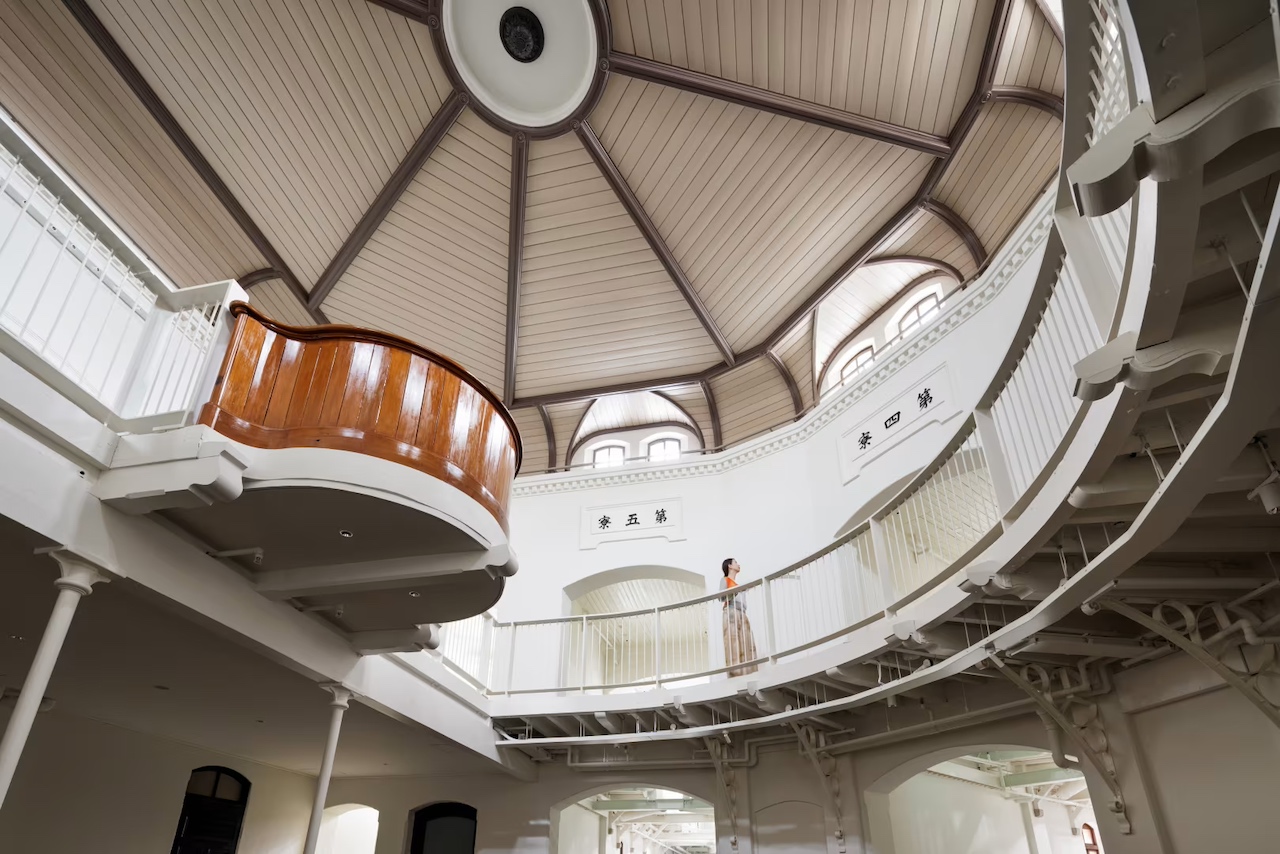
Another guest felt that rather than simply pursuing luxury, the hotel placed value on “the experience of history itself”. The century-old bricks, reportedly made and laid by inmates themselves, remain intact, allowing guests to “feel the weight of history so closely”.
The architects and designers behind the transformation wanted the building to retain its sombre historical character. Japan Times journalist Owen Ziegler described its atmosphere as “sterile” and “morose”, with 4.88-square-metre single cells containing little more than a washbasin and a small window.
In that spirit, there is no pool, fitness centre or meeting rooms and no “Kids’ Club”. The rooms do not have televisions either. One guest described it as a place “for adults to quietly savour the space and its history” and “not really suitable for children”.
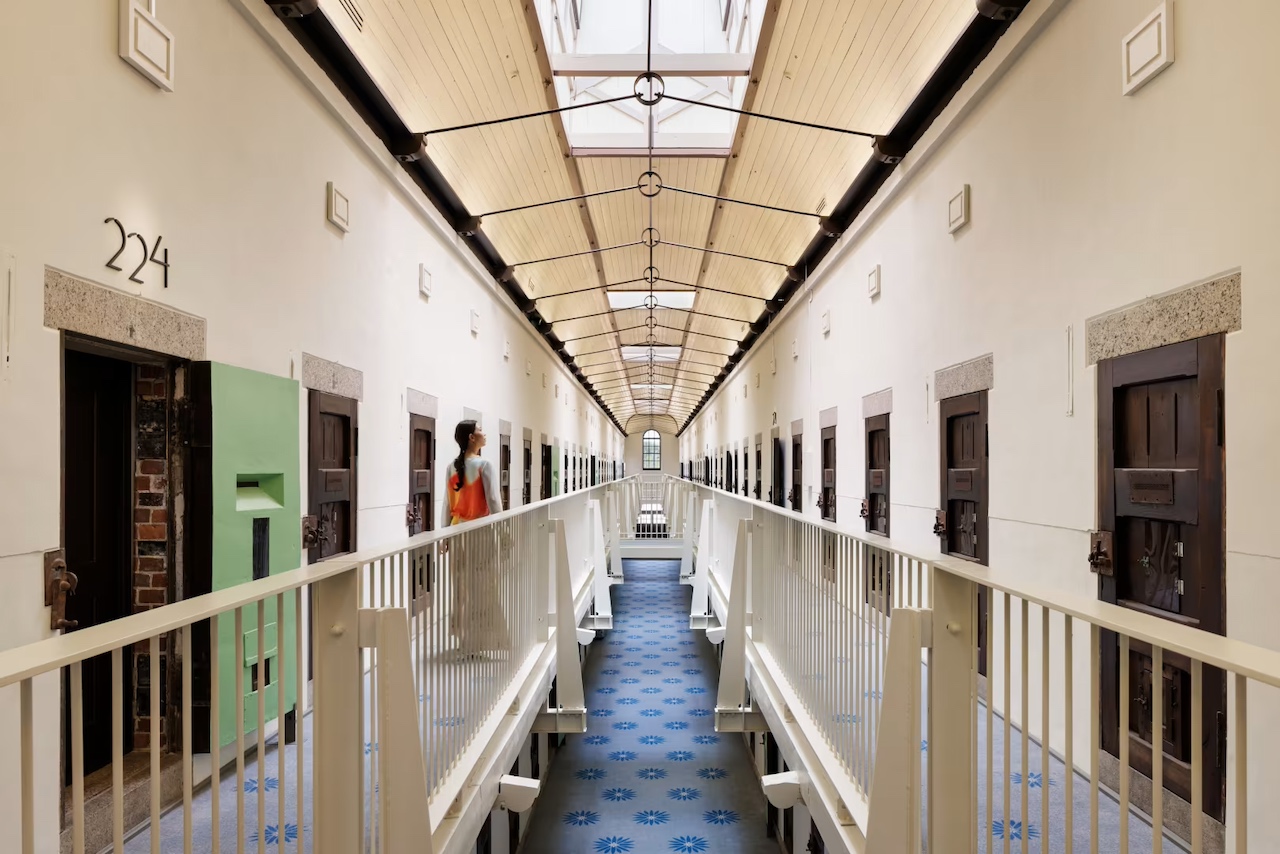
One of the five wings has been preserved in its former state and transformed into a museum which is open to the public during the day. It is hard not to draw comparisons between a stay here and the lives of those who slept in the same building before. While hotel staff now make the beds, inmates were given precise instructions on how to fold their futons when not in use. The contrast extends to mealtimes: the museum displays prison meals, while the hotel’s own menu has received great praise online.
Manga artist Kazuichi Hanawa, who was imprisoned in Nara in the 1990s, chronicled his experience in Doing Time, which is now displayed in the museum’s final section devoted to artworks by inmates.
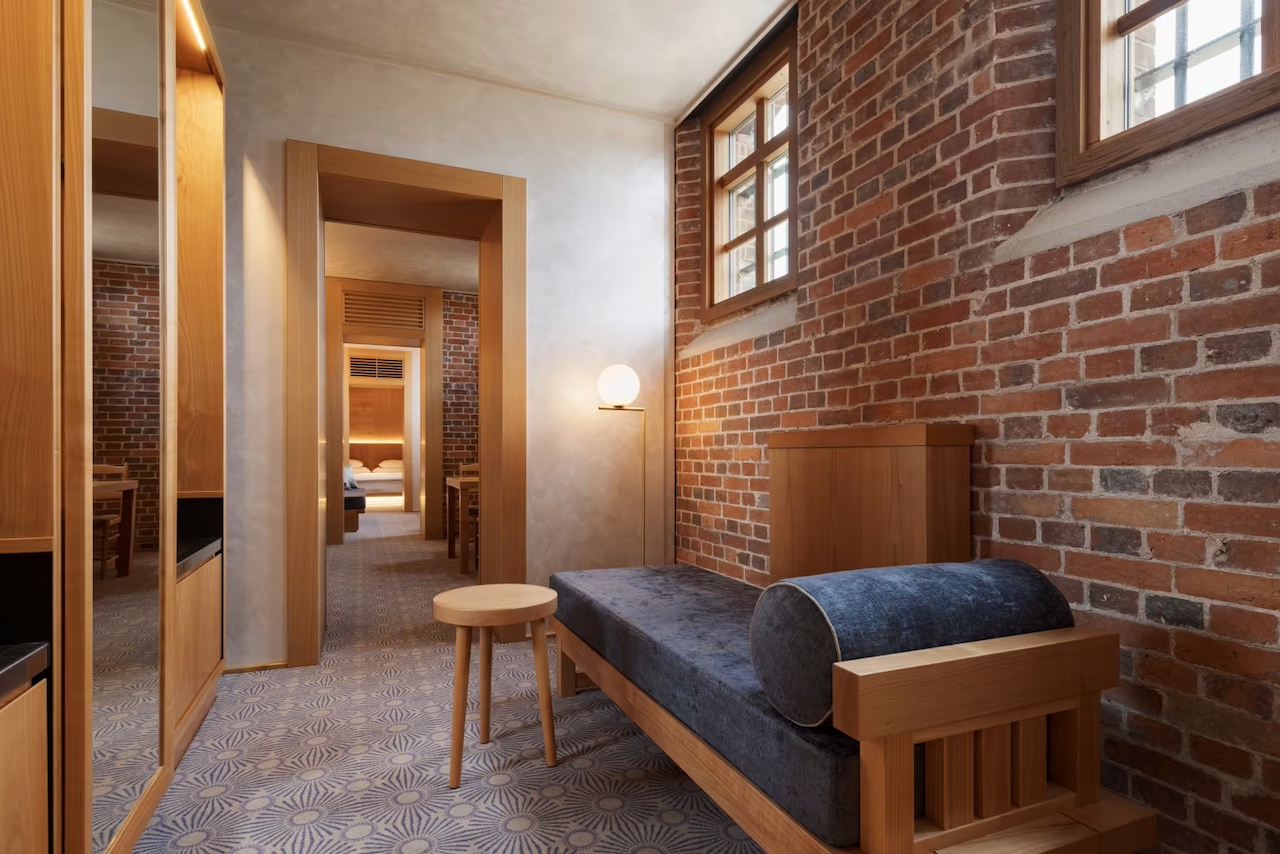
The luxury comes at a price. One guest described it as “by far the most expensive hotel” she had ever stayed in, but also “by far the most memorable”. Suites range in price from $350 for a nine-cell room to $610 for the 11-cell Deluxe, not including breakfast.
A placard in the museum perhaps best sums up the experience: “It may be us, on the outside, who have lost sight of what is truly irreplaceable and important in everyday life.”