


The Greek Ministry of Culture will be opening 126 ancient sites for free on Friday, 28 August 2026. The yearly event allows visitors to see some of the country’s most famous attractions under the light of the full moon.
Every year, the Greek Ministry of Culture organises a special free night opening coinciding with the full moon. In 2026, the event is set to take place on Friday 28 August, from approximately 7:30 pm until midnight. Visitors will not only be able to freely access 126 ancient sites across the country, many of which will be organising concerts or guided tours to celebrate the occasion, but they will also get to enjoy those places under a particular light.
“For the 27th consecutive year, the August Full Moon unites archaeological sites, museums and monuments of Greece in a great celebration of culture. We invite you to participate in this unique experience this year and enjoy the magic of the night and the special atmosphere that the moonlight creates in the monuments of our country,” stated the Greek Ministry of Culture.
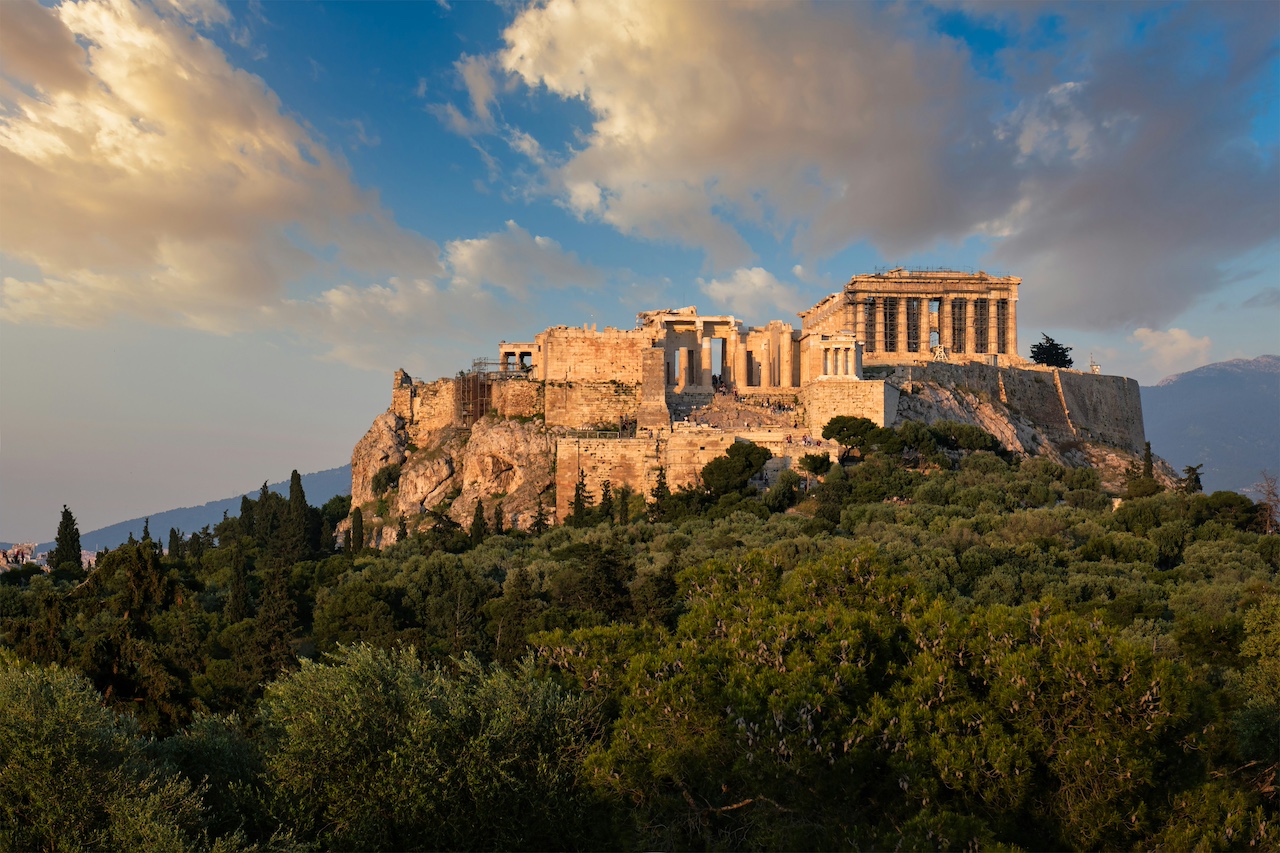
The event includes some of Greece’s most-visited ancient sites, including the Acropolis Museum in Athens. The while regular admission fees will apply to the permanent collection, the museum will stay open until midnight and visitors will gain free admission to the temporary exhibition ‘Inspiration: Ancient Greek Art in Italy’.
Some of the other most famous sites include the sanctuary and town of Delphi, known for its Oracle at the Temple of Apollo, and Ancient Olympia. The site and the museum of the birthplace of the Olympic Games will remain open until midnight, with archaeologists organising guided tours.
However, visitors are encouraged not to solely concentrate on the country’s most famous sites. For example, in an interview with Euronews, Bnbstay founder Yahya Davud recommended visiting the Necromanteion of Acheron in Epirus. The sanctuary overlooking the River Acheron was once thought to be the entrance to the underworld. People would therefore travel to the Necromanteion to talk with the spirits of the dead.
“Everything in this place was built around darkness and rituals, so a night-time visit during a full moon is not just a spectacular tourist attraction. In fact, this kind of experience is much closer to how this place was meant to be experienced than a visit in the middle of the day,” said Davud.
Aside from Ancient sites, some of Greece’s newer monuments will be opening their doors for a nightly visit as well. At medieval ghost town of Mystras in Sparta, for example, visitors will be able to wander around the Palace of the Despots.
Extending beyond the Full Moon evening itself, according to the Ministry of Culture, this year’s celebration also features events on 26, 27, 29, and 30 August. A full overview of the sites and their concerts, theatrical performances, dance productions, exhibitions, and guided tours can be found through the Ministry’s website. While most sites will be free, visitors are encouraged to book their visit in advance when possible in order to be certain to obtain a spot.