


Travelling to Paris without seeing the Eiffel Tower or visiting Rome without stopping at the Colosseum might sound unusual. Yet, a new travel philosophy is encouraging tourists to move away from famous landmarks and discover the ordinary side of a destination instead. Called Tiny Tourism, the concept was introduced by the UK-based creative platform “It’s nice that in its Tiny Tourist report”, published in April 2026. Its basic principle is simple: if something feels like an obvious tourist activity, consider doing something else.
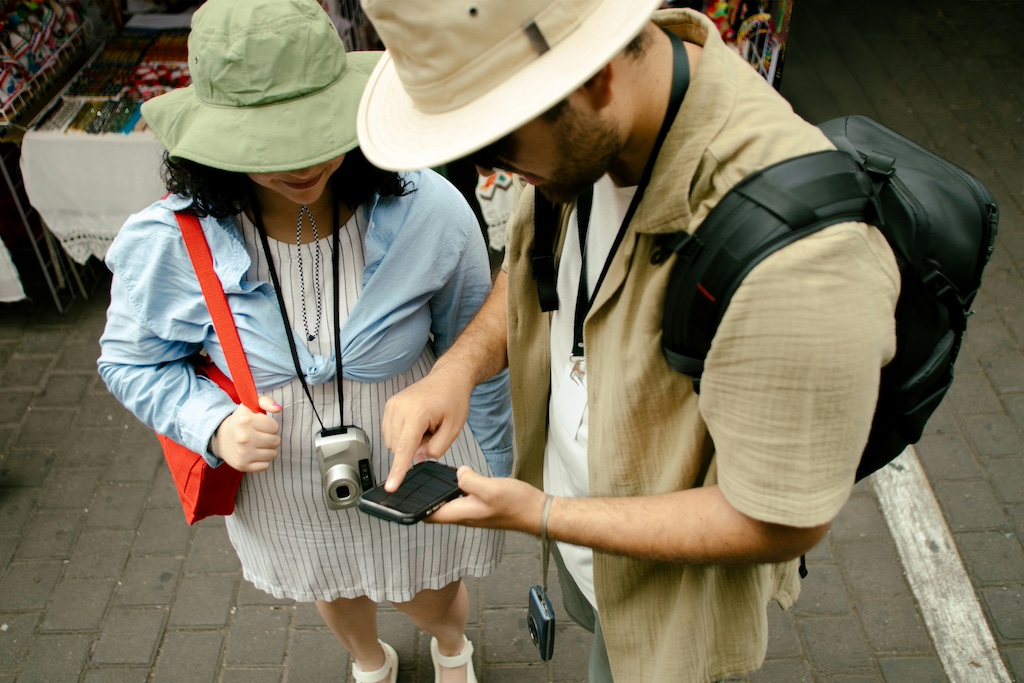
Rather than following bucket lists, “Tiny Tourists” look for small and local experiences. That could mean visiting a supermarket, taking public transport, going for a run or looking around a local pharmacy. Travellers could also explore residential streets, visit second-hand shops or pay more attention to details such as street signs and gardens. The report describes this as a desire to experience the everyday way of living somewhere and compare it with life at home.
The idea comes at a time when many popular destinations are struggling with overtourism. Large numbers of visitors are often concentrated around the same attractions, neighbourhoods and viewpoints. Social media can add to that pressure when a particular beach, restaurant or street suddenly goes viral. Tiny Tourism turns that logic around by suggesting that a viral video can sometimes be an indication of where not to go.
Everyday activities can instead become part of the travel experience. A supermarket abroad can introduce visitors to unfamiliar products and flavours, while public transport shows how residents move around their city. Local markets and neighbourhood shops can offer another perspective on a destination. Instead of constantly looking for spectacular sights, the Tiny Tourist Report encourages travellers to focus on smaller details and observe everyday life.
Brussels provides an interesting example of how the approach could work. Almost every visitor knows the Grand-Place, Manneken Pis and Atomium, but much of daily life takes place away from those famous sights. Tourism data published by visit.brussels shows how concentrated visitor movements can be. In a 2023 survey, 97% of respondents visited or planned to visit the Grand-Place and city centre, compared with 20% for Flagey and Châtelain and 13% for Saint-Gilles.
A Tiny Tourist could therefore take a tram out of the historic centre and spend time in Saint-Gilles. Around the Parvis de Saint-Gilles, visitors can find a local market, terraces and small shops, while simply walking through the neighbourhood reveals its Art Nouveau and Art Deco architecture. The same approach could lead travellers to the Marolles, with its second-hand shops and flea market at Place du Jeu de Balle. Matongé and Saint-Boniface offer another side of Brussels through their grocery stores, cafés, restaurants and specialised shops.
If visitors spread their time across different neighbourhoods, Tiny Tourism could potentially help redistribute some of the pressure created by tourism. Instead of thousands of people following almost identical itineraries, travellers could spend more time in different parts of a destination. Their spending could also reach neighbourhood cafés, markets and independent businesses outside the main tourism areas. However, Tiny Tourism is a travel philosophy rather than a proven solution, and the report does not establish that it can reduce overtourism.
The approach also has limitations. If thousands of travellers begin searching for the same supposedly authentic neighbourhoods and hidden places, today’s quiet street could become tomorrow’s viral attraction. Residential neighbourhoods are places where people live and should not simply become new tourist attractions. At the same time, there is no reason visitors should feel guilty for seeing famous landmarks, many of which are popular because of their cultural and historical importance.
Tiny Tourism therefore does not have to replace traditional sightseeing. Travellers could visit the Grand-Place in the morning before spending the afternoon wandering around Saint-Gilles or browsing the Marolles. Rather than trying not to be tourists, visitors could simply distribute their time and attention differently. Tiny Tourism may not be the single answer to overtourism, but its focus on smaller places and everyday experiences offers a different way to think about how we travel.