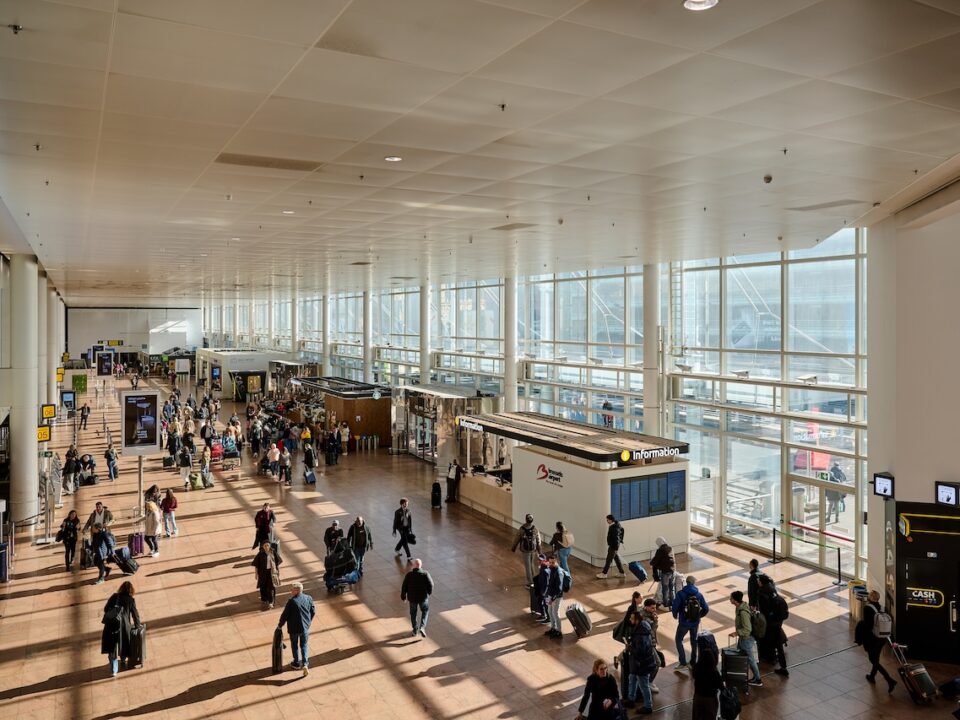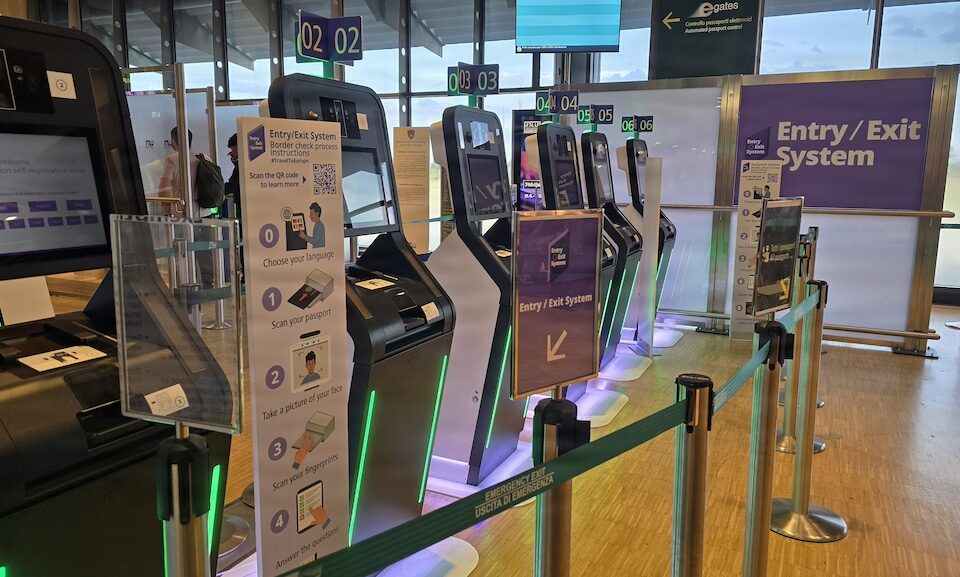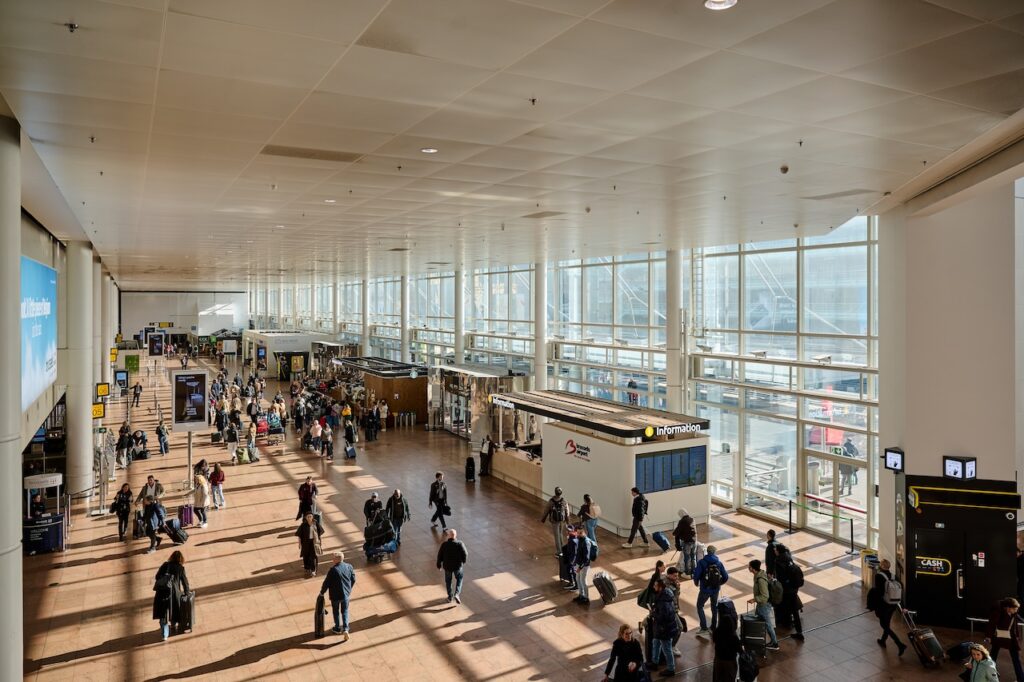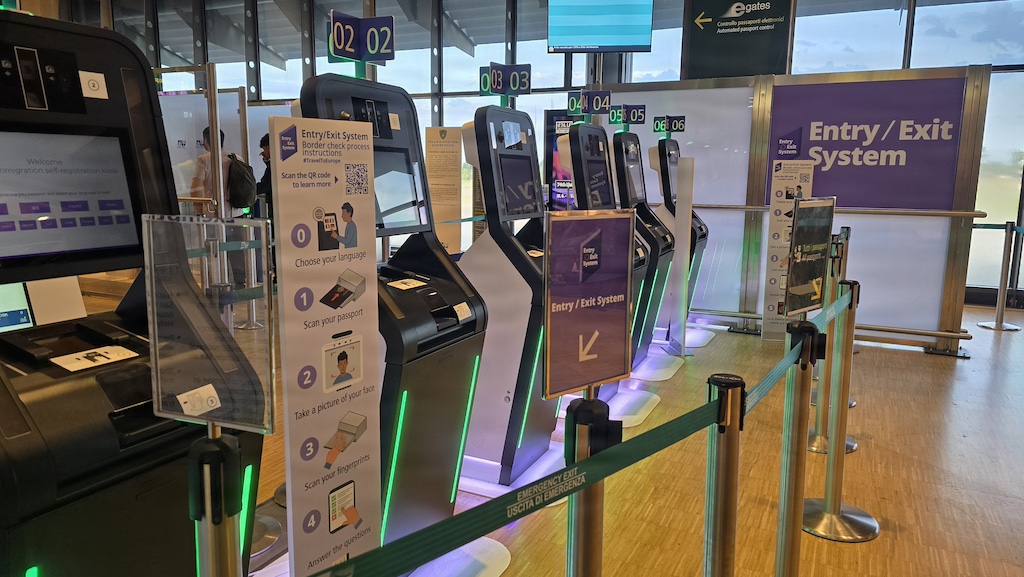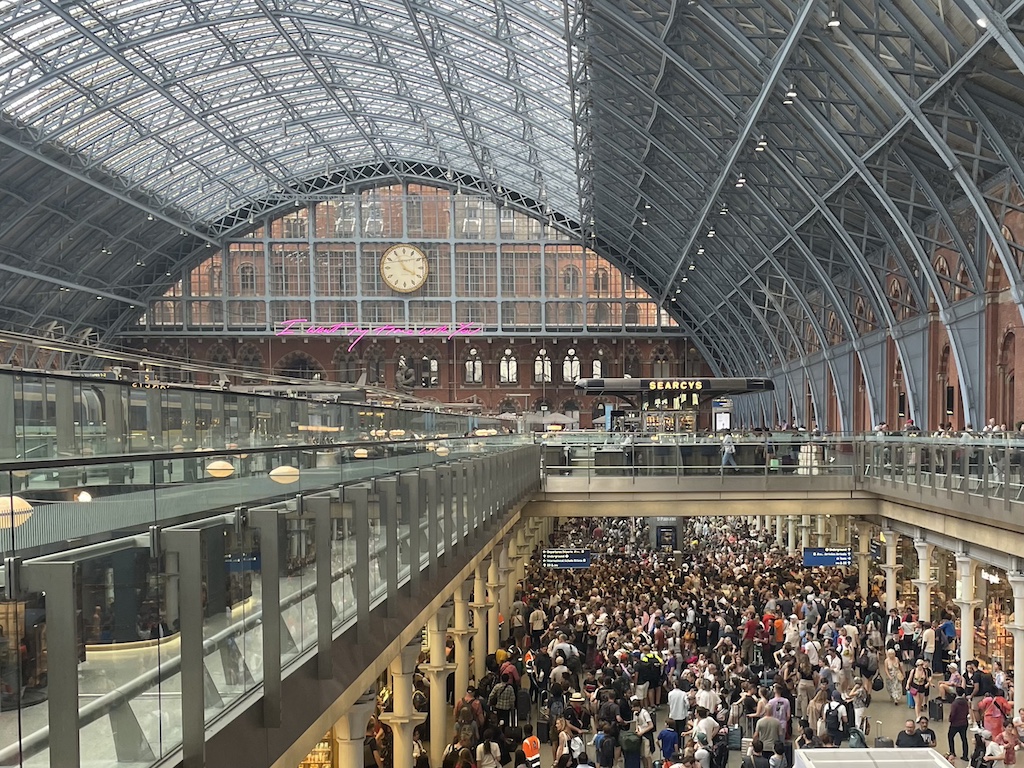



Anyone who has recently travelled on the Eurostar from London will have noticed how cramped St Pancras International has become, with long queues at security and passport control. The situation is only set to worsen with the introduction of the EU’s new Entry/Exit System.
Eurostar, controlled by French rail operator SNCF, is only too aware of the problem. This summer, the company launched a campaign to persuade the British authorities to expand the terminal.
In an interview with Le Monde, chief executive Gwendoline Cazenave said that a comprehensive political vision was needed on the British side and complained that the concessionaire, regulator and government were all “working in silos”.
Eurostar has enjoyed a monopoly on passenger services through the Channel Tunnel until now, but several European rail operators are eyeing the lucrative cross-Channel market.
Virgin is currently the closest to becoming a serious rival. In October 2025, it secured access to the Temple Mills International depot in East London from Britain’s Office of Rail and Road (ORR), and in mid-August it received pre-approval to run up to 20 daily return services from October 2030. Further approvals are still needed before Virgin can launch its planned services to Paris, Brussels and Amsterdam.
Trenitalia is also preparing to enter the market, having announced an order for new high-speed trains intended for the London-Paris route.
Eurostar is stepping up its response by planning to invest up to €2 billion in 30 new trains, with the option of 20 more. Deliveries are set to begin in 2031. The company hopes to increase annual passenger numbers from 20 million to 30 million within a decade.
The Channel Tunnel itself is not the problem. Getlink, which operates the tunnel, says traffic could double. The real bottlenecks are at either end, with both London St Pancras and Paris Gare du Nord operating beyond capacity.
Currently, Paris-Nord can handle a maximum of 2,000 travellers per hour and London 3,000. Eurostar wants to see these figures increase to 3,000 and 5,000 respectively.
“Without investment in the stations, we risk having to share the current capacity with new competitors,” Cazenave warned.
In June 2025, Eurostar and London St Pancras Highspeed announced plans to more than double the capacity of the London terminal. One proposal would see arriving passengers leave directly from the platform, freeing up space below for departing passengers and security and border checks. However, Paris has no such option, although Cazenave said that talks with the French authorities are progressing.
However, a separate hurdle looms in London: the concession held by London St Pancras Highspeed expires in 2040 – before Eurostar’s new trains are even due to arrive – leaving little incentive to fund works that the company may never benefit from. One potential solution would allow London St Pancras Highspeed to continue collecting toll fees on its investment after the contract ends.
Eurostar is also presenting an economic argument, citing a commissioned report which shows that the Paris-London route has generated £2 billion (€2.35 billion) in economic activity and 23,000 jobs since 1994. The company claims that this figure could increase by a further 40% by 2035, provided that the stations maintain their current level of service.
It already has proof of concept. Its London-Amsterdam service now runs five times a day, following work on the station in the Dutch capital, and Eurostar claims to hold around a third of the market between the two cities. As demand is set to triple by 2040, the company plans to expand in a similar way to Cologne, Geneva and Frankfurt.
However, with competitors preparing to launch their own services, finding space for all those passengers is becoming as important as finding trains to carry them.