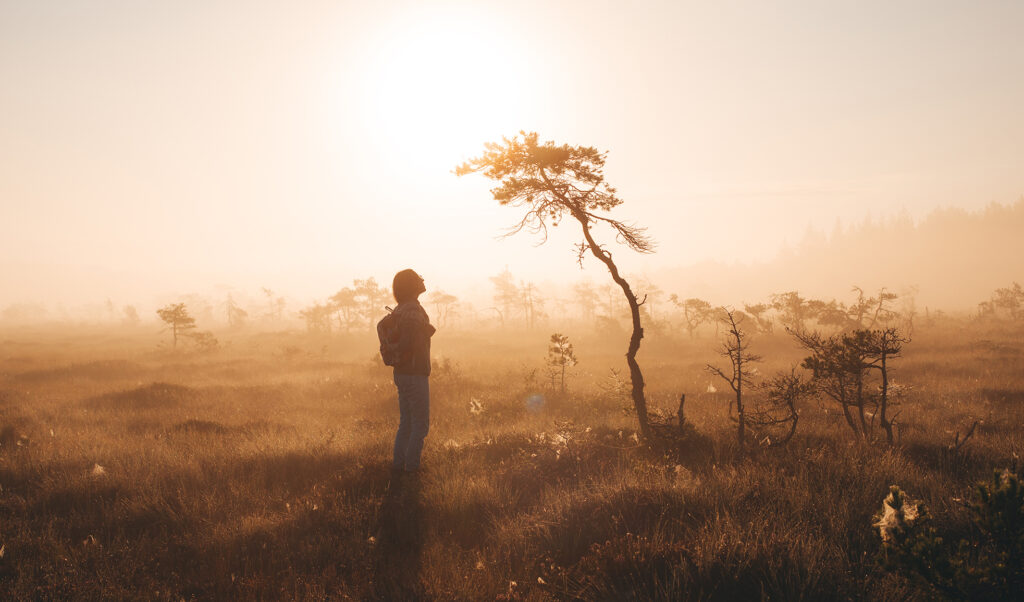

If in need of a little forest bathing to pamper the soul before the end of the summer, without straying too far from the beach, Portugal might be the perfect destination, as Bussaco National Forest has just been awarded the official Healing Forest Certificate.
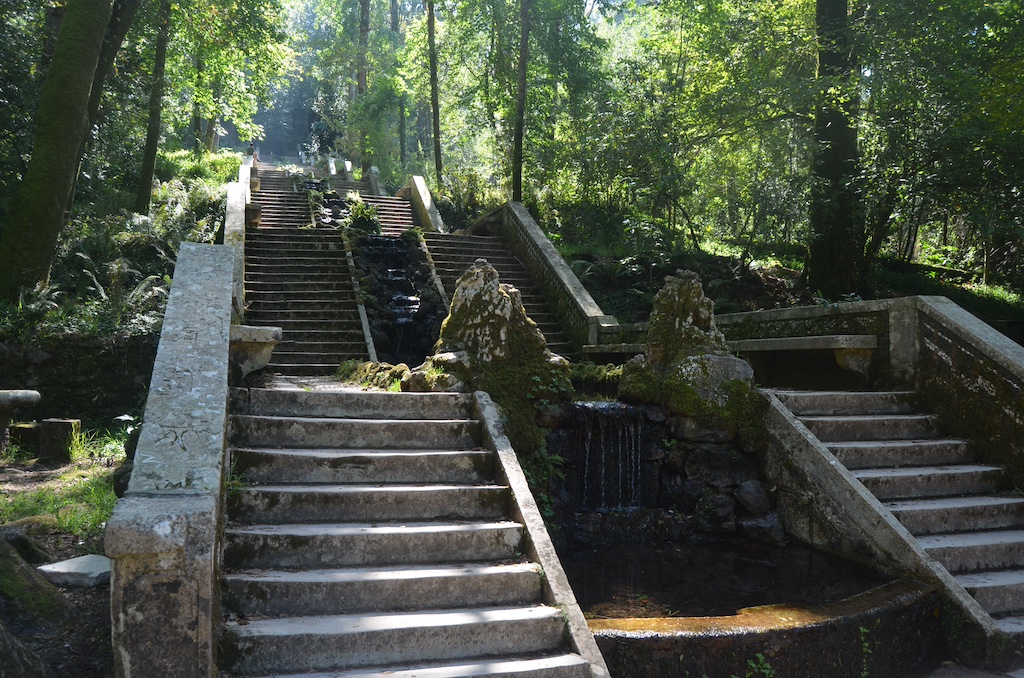
Located in central Portugal, in the parish of Luso, about 80 minutes south of Porto, Bussaco’s 105-hectare forest, enclosed by a five-kilometre wall, meets the numerous criteria required by the German-based Healing Forest – International Certification Office.
It is the first forest in southern Europe and on the Iberian Peninsula to receive this accolade. The other three certified forests are located in Austria and Germany.
This certification system is linked to the International Society of Forest Therapy (ISFT), which was formed in Austria in 2018 and established international quality standards for healing forests and forest therapy.
“This certification, which places us among the four therapeutic forests worldwide and as the first on the Iberian Peninsula, gives us global status and brings with it great responsibility,” said the president of the Mata do Bussaco Foundation, Gonçalo Breda Marques, quoted by the Lusa news agency.
To qualify, a forest must be designed for therapeutic use and have qualified personnel, and its health benefits must be supported by medical evidence. In practical terms, the forest needs natural protection from noise and wind, as well as trails catering for different levels of mobility and difficulty. There should also be designated spaces for therapy, relaxation and exercise. Strict standards apply regarding safety and accessibility.
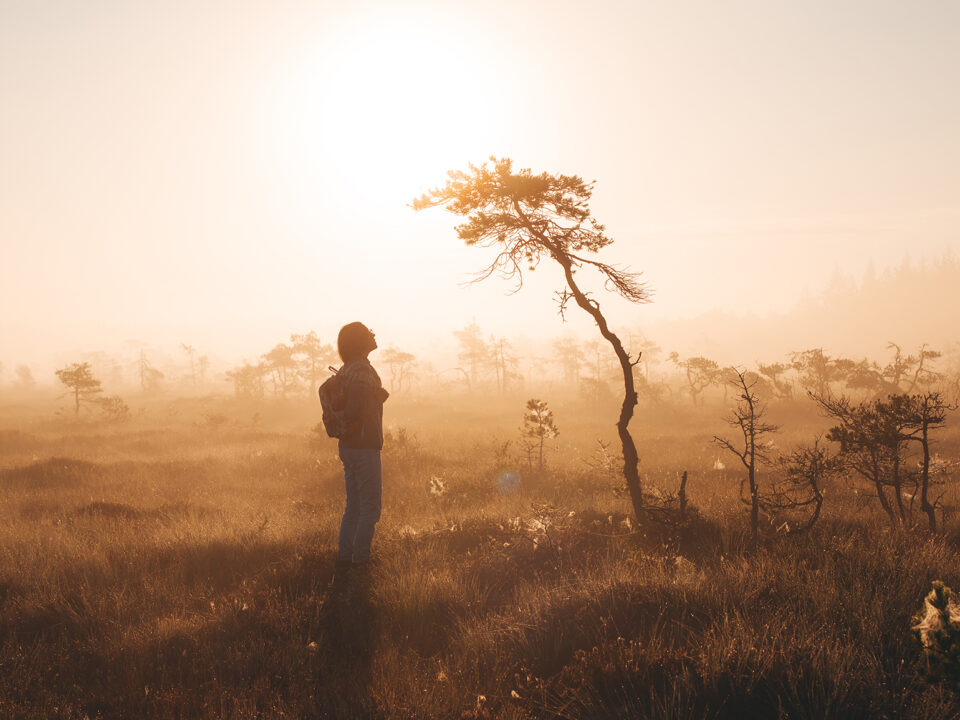
Forest environments have long been associated with a range of health benefits, including improved cognitive abilities, reduced stress, anxiety and depression, lower blood pressure, a stronger immune system and better sleep quality. The best-known form of this practice originated in Japan, where “shinrin-yoku”, or forest bathing, was introduced in 1982 as part of a national programme encouraging people to spend time in forests to improve their well-being.
@_patricia.ribeiro_ Welcome to… 📍Buçaco This is definitely one of the most magical places in Portugal, with its lush forest, hidden paths and a fairytale palace 🧚 The Buçaco forest is home to more than 700 native and exotic species from all over the world, making it one of the richest forests in Europe 🍃 At its heart stands the stunning Bussaco Palace (historically written with two “s” instead of the “ç”), originally built in the 19th century as a royal hunting lodge and now one of Portugal’s most iconic hotels 🏰 The Neo-Manueline architecture of the palace echoes other famous Portuguese monuments like the Jerónimos Monastery and Belém Tower ✨ Long before the palace was built, the forest was protected by Carmelite monks, who lived here in silence for centuries and planted many of the trees that still stand today. Whether you’re wandering the forest trails or admiring the palace’s intricate details, Buçaco has a peaceful and magical atmosphere that still feels like a hidden gem. Tips for visiting: 🌿 you’ll need about 2 hours to explore the forest 🥾 bring comfortable shoes as trails are uneven 📍 don’t miss Cruz Alta, Fonte Fria and the Valley of the Ferns 🏰 even if you’re not staying there, you can go inside the palace hotel to have a coffee after 3.30pm ☀️ visit early in the morning or late afternoon for the most magical light and fewer people 🚘 you can enter by car and park inside, and it costs 7€ for the whole day 🗺️ it’s located about 2h15 from Lisbon, and if you’re coming for a weekend trip, you can combine it with Aveiro and/or Coimbra Save for a future trip to Portugal 🫶🏻 #buçaco #bussacopalace #portugalhiddengems #portugaldenorteasul #portugal_gems ♬ Fairytale (From "Shrek") – Geek Music
However, a certified therapeutic forest goes a step further. Rather than simply offering visitors the benefits of spending time among trees, they are specifically designed to allow trained therapists to conduct structured healing and rehabilitation programmes.
These programmes can complement treatment for various conditions, including cardiovascular, respiratory, orthopaedic, psychosomatic and neurological illnesses.
Qualified forest therapists are available to guide guests through the wonders of the forest, which is home to more than 250 species of trees and shrubs, and is considered “one of Europe’s finest dendrological collections”, according to the Mata do Bussaco Foundation’s website.
The forest’s history is as unusual as its vegetation. Human management of the forest can be traced back to the 6th century, when monks from the nearby Monastery of Vacariça began tending the land. In 1628, the Discalced Carmelites took it over, establishing a secluded monastic retreat. Protected by papal decree, the forest became home to exotic species that were brought to Portugal during the Age of Discovery, when the country was one of the world’s great maritime powers.
One of these species was the Bussaco cedar, a cypress species imported from Mexico which gave the forest its name.
“It is one of the National Forests richest in natural, architectural and cultural heritage and can be divided into four landscape units: Arboretum, Gardens and Fern Valley, Relic Forest and Pinhal do Marquês,” the Foundation explains.
The forest underwent significant changes in the 19th century, with the addition of lakes, gardens, and ornamental areas. By the end of the century, construction of the palace had begun. Conceived as a hunting lodge for King Carlos I, it was later converted into the luxury Palace Hotel do Bussaco that stands today.
After several years of preparation, Bussaco certification was awarded on 17 July and is valid until 2031, when the forest will have to undergo a new assessment.
However, the Foundation already has its sights set on another international accolade. Bussaco has been on Portugal’s tentative list for UNESCO World Heritage status since 2017 under the title “Desert of the Discalced Carmelites and Built Ensemble of the Palace-Hotel in Bussaco”.