


Japan has launched its first nationwide survey of animal cafés amid concerns about animal welfare, hygiene and public health. The survey began in September 2026 and will examine facilities where visitors can interact with animals. These businesses have become popular attractions, with species ranging from domestic cats to otters and owls. The government wants to establish how many facilities operate, which animals they keep and how those animals are treated. The exercise will gather information about the sector, rather than itself introducing a ban or requiring cafés to close.
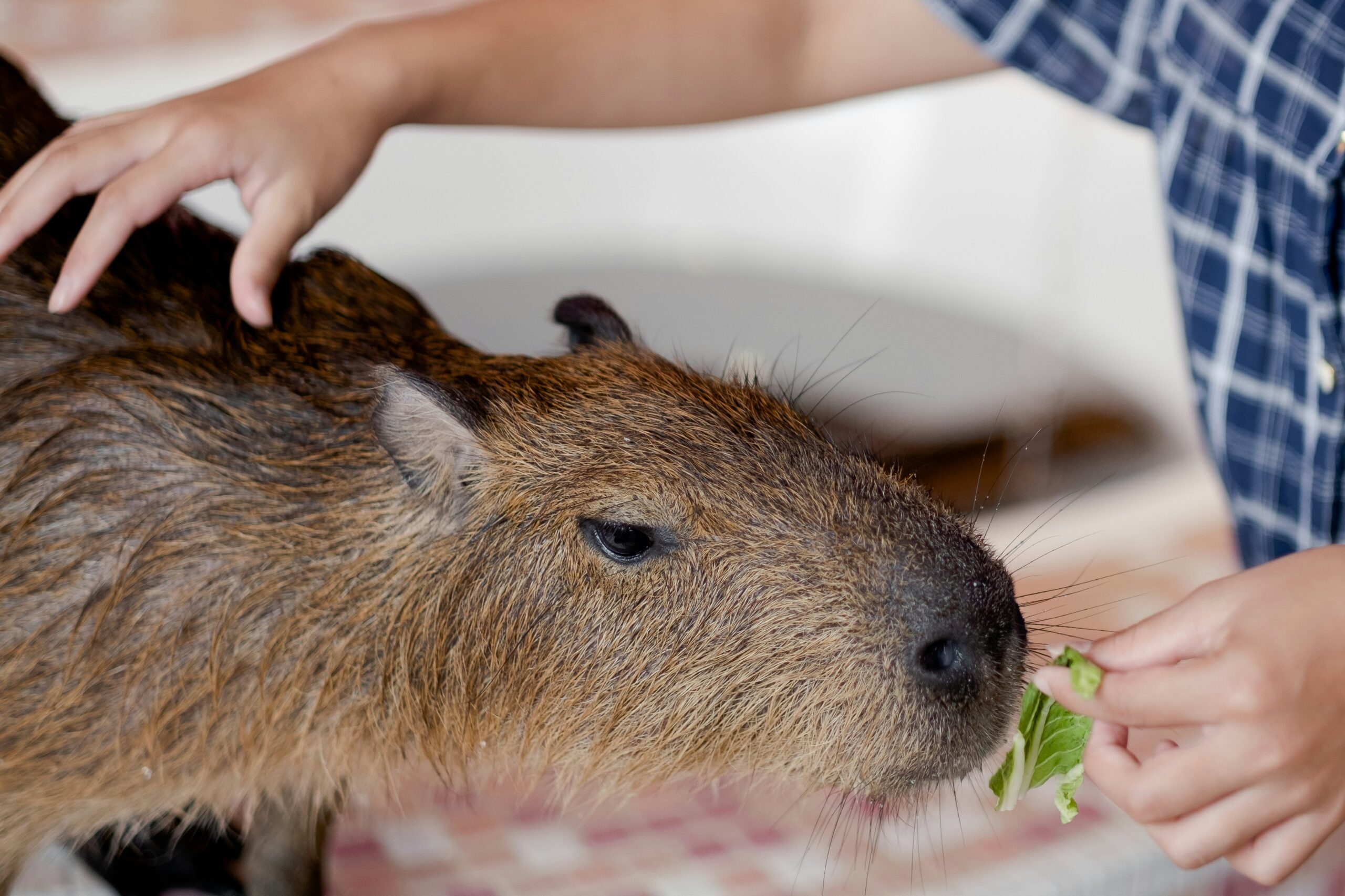
Animal cafés offer visitors the opportunity to spend time near animals or interact with them during their visit. Some house familiar pets, including cats and dogs, while others display wild species such as marmots, owls and otters. This means that businesses described as animal cafés can house very different animals with different needs. The nationwide survey will include cafés with domestic pets as well as those keeping exotic species. Its scope therefore extends beyond the wildlife attractions that have drawn particular concern from researchers.
Japan has begun its first nationwide survey of animal cafes over welfare, hygiene and public health concerns, as the popular but lightly regulated sector faces scrutiny https://t.co/YFzbbX5o4h pic.twitter.com/ao0fuGDy5D
— Reuters (@Reuters) September 30, 2026
The survey will examine the conditions in which animals are kept and how visitors interact with them. According to Environment Ministry official Takuya Ishikawa, Japan lacks specific standards governing these cafés and the handling of many exotic species. Ishikawa said animal welfare groups had regularly shared findings from their own research with the ministry. Experts on a government advisory panel had also repeatedly raised concerns about potential problems. The investigation will bring greater scrutiny to a sector where existing requirements do not specifically address all the animals visitors may encounter.
Research by WWF Japan and Hokkaido University provides an indication of the concerns surrounding wildlife cafés. Researchers visited 25 cafés near Tokyo in June and July 2025 and recorded 1,702 animals on display. These included 31 species classified as threatened with extinction, meaning they face a risk of disappearing from the wild. The findings were published in October 2025, separately from the government’s new nationwide survey. The presence of threatened species raised questions about both animal welfare and the trade supplying these businesses. These findings describe the cafés visited by the researchers and should not be treated as a complete picture of every animal café in Japan.
The research also highlighted a connection between visitor attractions and animal sales. Of about 80 registered wildlife cafés in Tokyo and Osaka, three-quarters were also registered to sell animals. This registration does not, by itself, show that a business is involved in illegal trading. However, it places these attractions within Japan’s wider market for live animals. A separate WWF report published in September 2026 found that Japan was the world’s second largest importer of both live reptiles and mammals by value in 2024. That report highlighted risks including released pets becoming invasive species, which can spread and harm local wildlife.
Health and safety are another part of the government’s concerns. More than 90% of the cafés visited by researchers displayed animals considered at high risk of causing injury through contact. Samples from four cafés also tested positive for enterohaemorrhagic E. coli, known as EHEC, a type of bacteria that can cause bloody diarrhoea. The separate WWF report highlighted the spread of zoonotic diseases, which are infections that can pass between animals and people. These findings concern identified risks and samples, rather than establishing that every visitor becomes ill or suffers an injury. The government also plans a public awareness campaign, acknowledging that it has not done enough to explain the risks of interacting with exotic animals.
Some operators have welcomed the prospect of stronger oversight. “Japan is clearly lagging behind when it comes to (animal welfare) regulation,” said Syaina Nozaki, manager of Owl Otter Cafe in Kamakura, near Tokyo. Her café houses rescued animals, according to the report. Nozaki hopes regulation will help distinguish facilities such as hers from less responsible operators focused solely on profit. Her response shows that the discussion about future rules also involves businesses seeking clearer distinctions within the industry.