

Late summer 2026 river cruise passengers whose holidays were turned into coach and hotel trips due to low water levels are complaining that they have received no compensation for the disruption they experienced.
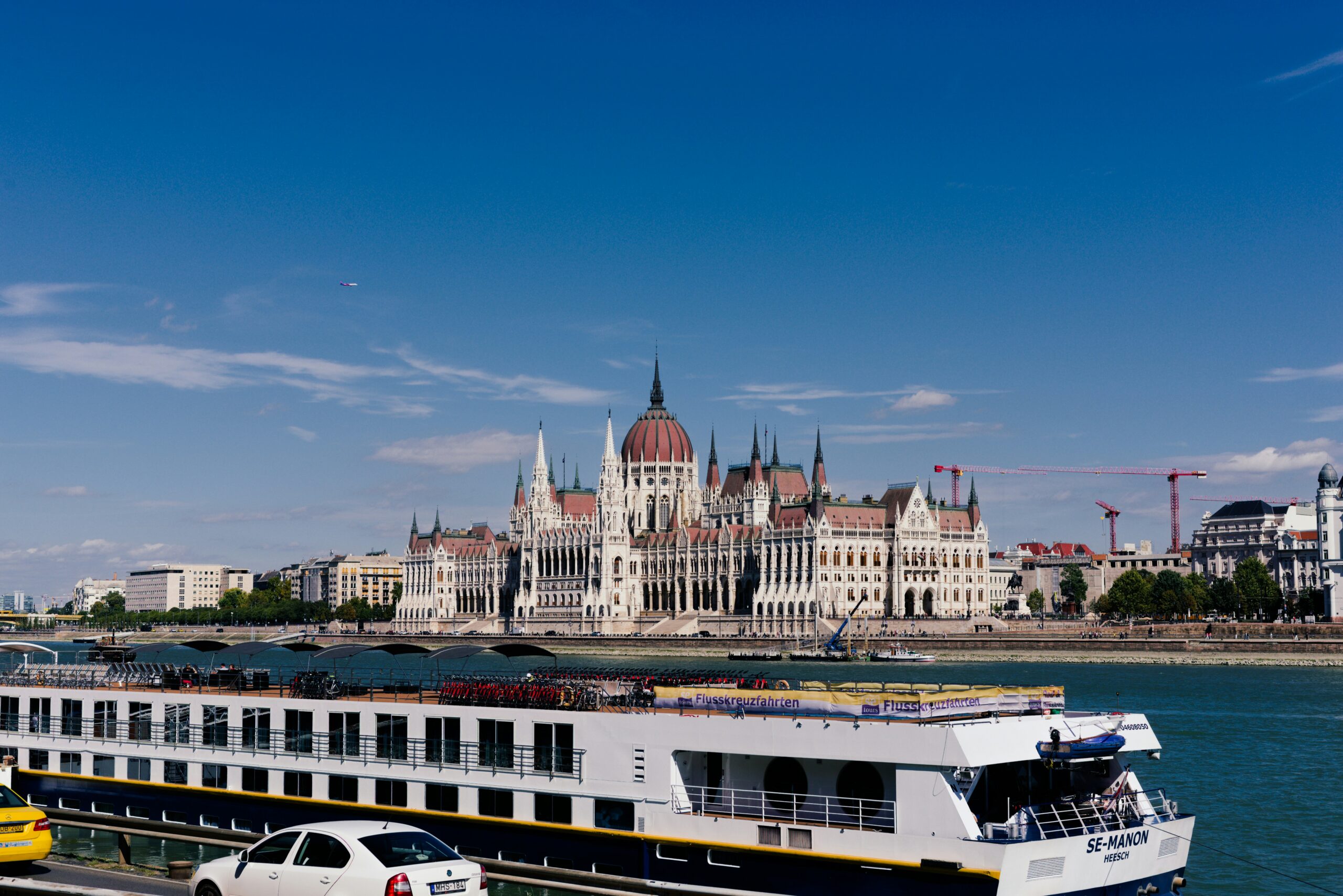
Reporting by the BBC, picked up by other outlets, describes the cases of two British holidaymakers who were supposed to go on TUI sailings on the Danube in September, but instead were accommodated in hotels and taken by bus on excursions.
Richard Pearson flew to Budapest, where he was supposed to begin an itinerary on the TUI River Cruise boat Isla. The Isla was, however, stuck in Vienna due to low water levels, leading to the changes to his vacation, including “14-15 hours” spent on a coach “plus time wasted waiting for coaches.” Pearson told the BBC he recognises that TUI had no control over the river levels but nonetheless believes he should be entitled to a refund of at least some of the £3,300 (over €3,800) he spent on the trip.
Another pair of TUI customers, Sue Crosby and her husband, tried to refuse the alternate itinerary presented to them for the same reasons on their 14 September sailing. They requested a refund, but were denied one, and so “reluctantly went on the trip,” the BBC said.
Potential changes to passenger itineraries in the event of low water levels are set out on TUI’s website terms and conditions, clearly stating that “if we can complete it via coaches then refunds won’t be available. These changes can happen before or during your cruise.”
In a statement, the German-headquartered operator described how it reviews every sailing and revises itineraries as needed, putting in place “adjusted travel arrangements to minimise transfer times so customers could still visit destinations, including Budapest, Vienna and Bratislava.”
It also noted: “Customers continued their holiday on the amended itinerary under our standard booking conditions. While customers were still able to visit the key destinations on their itinerary, we’re sorry some did not get the river cruise experience they had anticipated.”
The incidents are real life examples illustrating previous Travel Tomorrow reporting on how changing global climate conditions are reshaping the travel sector, especially amid World Meteorological Organization forecasts of likely disruptions due to El Niño in the coming months.
In particular, it is essential for operators and stakeholders to anticipate potential weather-related issues and ensure clients are well informed of their rights, to avoid disappointment and reputational harm. Before booking, travel consumers too should apprise themselves of the terms and conditions relating to their prospective trips and ensure they are prepared to be flexible when things do not go to plan.