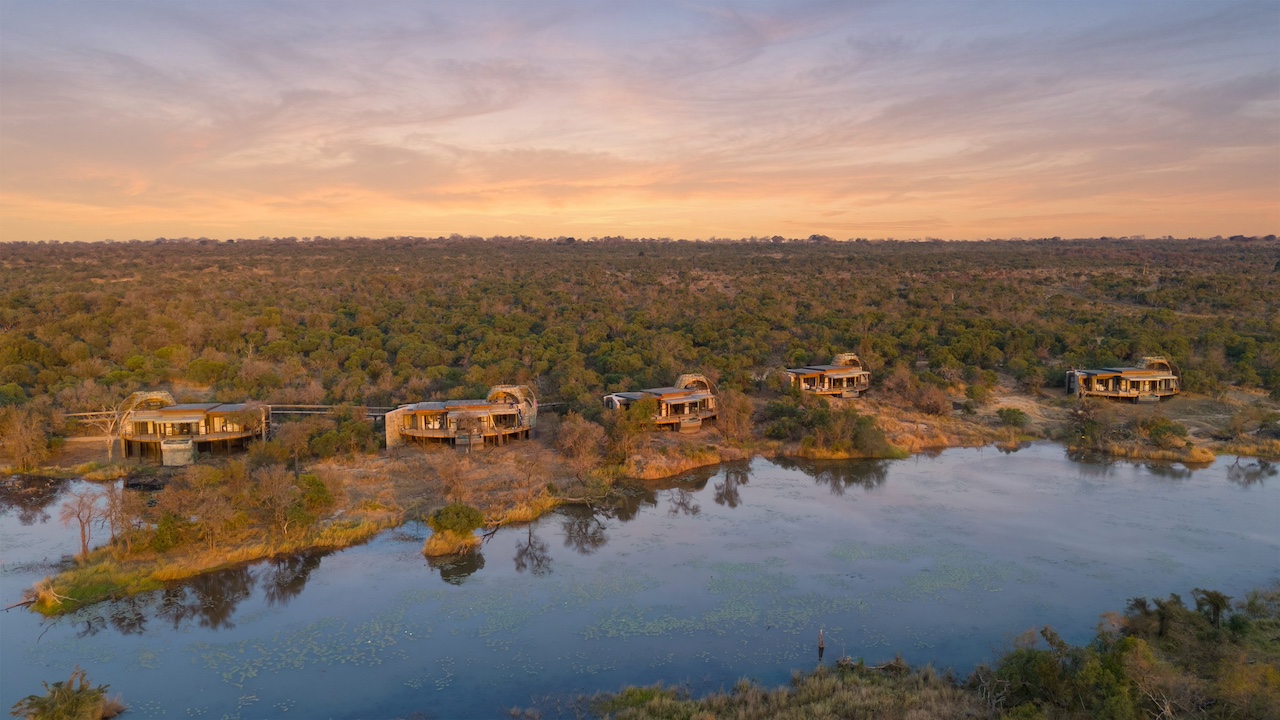


A former hunting reserve in South Africa’s Limpopo province has reopened as Sandringham Private Game Reserve, five years after operator Sabi Sabi began a rewilding project on the site in the Greater Kruger region.
Sabi Sabi is a family-owned South African hospitality group, running safari lodges since 1979, which also operates the long-established Sabi Sabi Private Game Reserve and the Claremont Boutique Hotel in Cape Town. Sandringham is its newest and, it says, most exclusive property.
The nearly 5,000-hectare reserve, which borders the Timbavati and Thornybush game reserves, is made up of two camps of six suites each: N’weti, named for the Drakensberg Mountains, and Shisaka.
The opening of Sandringham Private Game Reserve marks a significant victory for conservationists who, with patience and careful rehabilitation, have worked to rebuild trust between humans and animals, helping wildlife relearn that human presence no longer necessarily equates with danger. Guests can now explore the reserve on game drives and walking and birding safaris.
It also reflects a deliberate shift away from a still-viable revenue model, as hunting concessions continue to operate in South Africa, making Sandringham’s bet on eco-tourism instead all the more commendable.
As part of the project, Sabi Sabi also partnered with the Tracker Training Academy, which trains young people from neighbouring communities for careers as professional wildlife trackers.
For Jacques Smit, Sabi Sabi’s marketing director, “watching the land recover and wildlife return has been one of the most rewarding journeys in our history”.
Smit further explains that what drew the company to the project was the opportunity to nurse an exceptional landscape back to health while building a safari business with staying power, creating lasting value for wildlife, local communities and future generations of travellers.
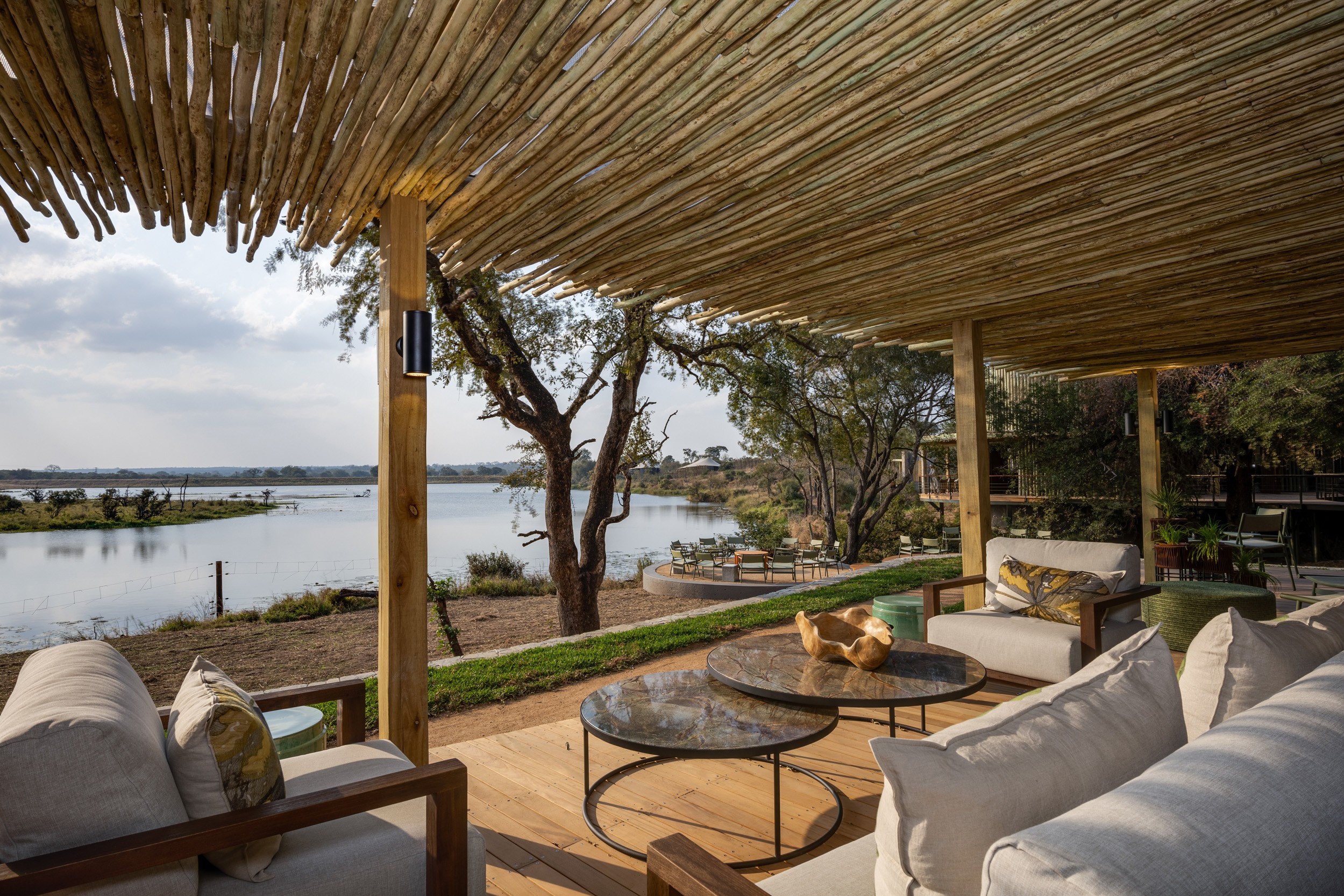
The newly built suites come with private infinity pools, indoor-outdoor bathrooms and nest-like relaxation decks drawing on Tsonga architectural heritage. The central lodge has a spa, gym and children’s education centre, while meals are served in an open-air boma, complete with a wine display showcasing South African estates. Guests can even fly in via the reserve’s private airstrip.
For those seeking even greater privacy, Shisaka has two private villas, while the four-bedroom Sandringham House, set upstream from the main lodge, offers an exclusive 1,100-square-metre residence for up to eight guests, complete with a dedicated chef, butler and ranger, as well as private safari vehicles.
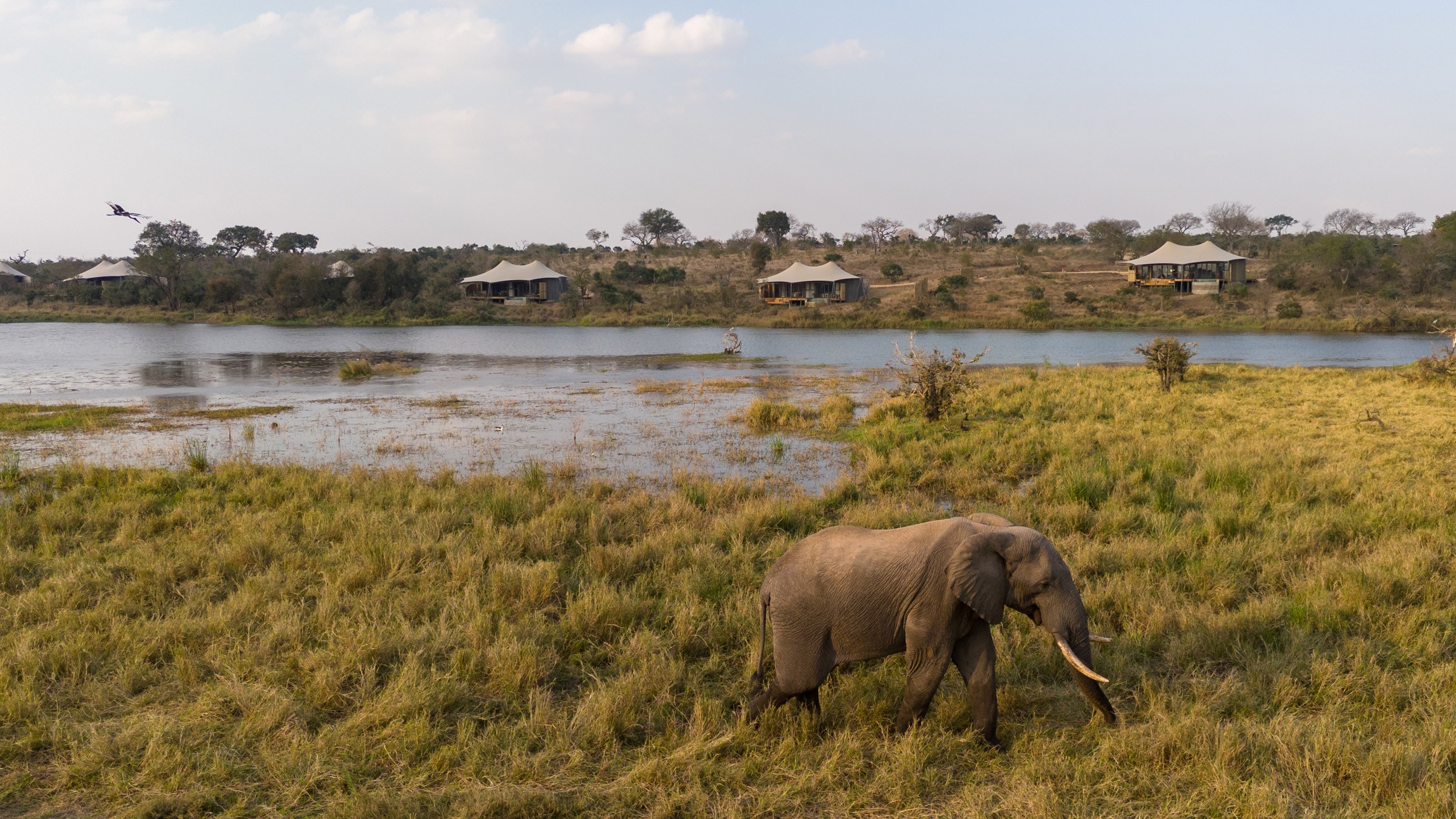
The rehabilitation itself took years, involving the removal of old fencing and man-made barriers, the repair of eroded soil and the restoration of the reserve’s water catchments – the natural systems of land and vegetation that collect rainfall and feed it into rivers, in this case the Timbavati. Taking down the fences also reconnected Sandringham to the wider, unfenced Greater Kruger Protected Area, allowing predators, elephants and other wildlife to move freely between reserves.
Four rivers cross the property, which the reserve says keeps water available year-round, even during the dry season. For visitors, that also means plenty of opportunities to spot animals as they come to drink, swim or simply cool off in the water.
This is in keeping with a broader shift towards sustainable, unfenced wildlife corridors across the continent, as operators increasingly lean on the language of sustainability and conservation to appeal to high-end, eco-conscious Western travellers.
Sabi Sabi frames Sandringham as a possible model for other conservation efforts across the continent, a bet that is already being watched elsewhere in Africa, arguing that rewilding degraded land for high-cost, low-density tourism can generate more revenue than hunting, while pointing to Kenya’s Maasai Mara and Laikipia Plateau as places already grappling with similar pressures on land and wildlife.