


Massive sargassum seaweed blooms affecting Caribbean beaches and parts of the Atlantic may have entered a self-sustaining cycle, according to new research. Scientists studying the Great Atlantic Sargassum Belt believe the floating seaweed is now able to help create the conditions needed for future blooms, making it a long-term challenge for coastal regions.
Since 2011, unusually large amounts of sargassum have been washing ashore across the Caribbean, Central America, South Florida and the Gulf of Mexico. The phenomenon has transformed from a seasonal natural event into a recurring problem affecting beaches, marine ecosystems and communities that depend on the ocean.
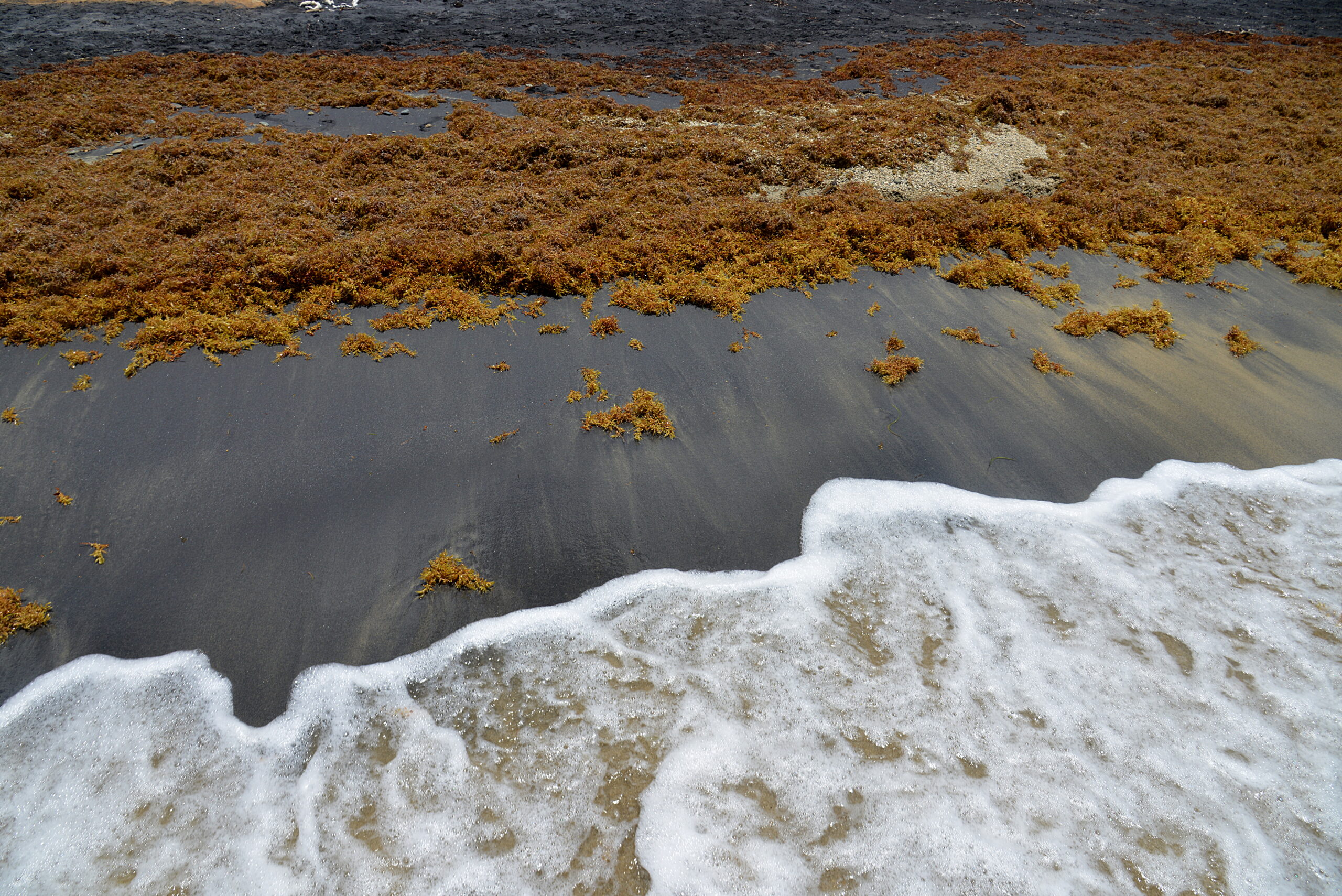
For travellers, the arrival of sargassum can significantly change the experience of a beach holiday. Large piles of brown seaweed can cover coastlines, making some beaches less attractive for visitors. As the seaweed decomposes, it releases gases including hydrogen sulfide, which creates a strong smell often compared to rotten eggs.
“Travelers don’t like the smell, and it affects our beautiful beaches,” says Javier Pizaña-Alonso, CORAL’s Program Manager in Cozumel. The impact goes beyond the appearance of beaches, as coastal businesses, hotels, fishing activities and local communities also face the consequences of large-scale sargassum arrivals.
Sargassum itself is not a harmful organism. The floating brown seaweed naturally exists in the Atlantic Ocean, especially in the Sargasso Sea, where it provides shelter and food for many marine species. Floating mats create a unique ecosystem containing fish, shrimp, crabs and many smaller organisms.
“A floating sargassum mat is much more than just seaweed. It is like a floating city,” researchers explain. These floating ecosystems can support marine life while drifting through the ocean. The problem begins when the amount of seaweed becomes too large and reaches the coastline, where it starts decomposing and affecting water quality.
Scientists have spent years trying to understand why the Great Atlantic Sargassum Belt has grown so quickly. Previous research focused on several possible causes, including nutrient pollution from agriculture, changes in ocean temperatures, stronger ocean currents and dust particles travelling from the Sahara Desert.
New research suggests that these factors may have helped trigger the first major blooms, but the process has now changed. According to scientists, sargassum may have developed a self-sustaining system where the seaweed helps collect and recycle nutrients that support future growth.
The researchers describe this process as a type of natural cycle. Animals living around the floating mats consume organic material and release nutrients back into the ecosystem. As older sargassum breaks down, those nutrients become available for new growth, allowing future blooms to continue developing.
To test this theory, scientists created a mathematical model that included the different processes influencing sargassum growth. The model successfully reproduced previous blooms between 2011 and 2022 and accurately predicted the development of blooms in 2023 and 2024, supporting the idea that the seaweed belt has become more persistent.
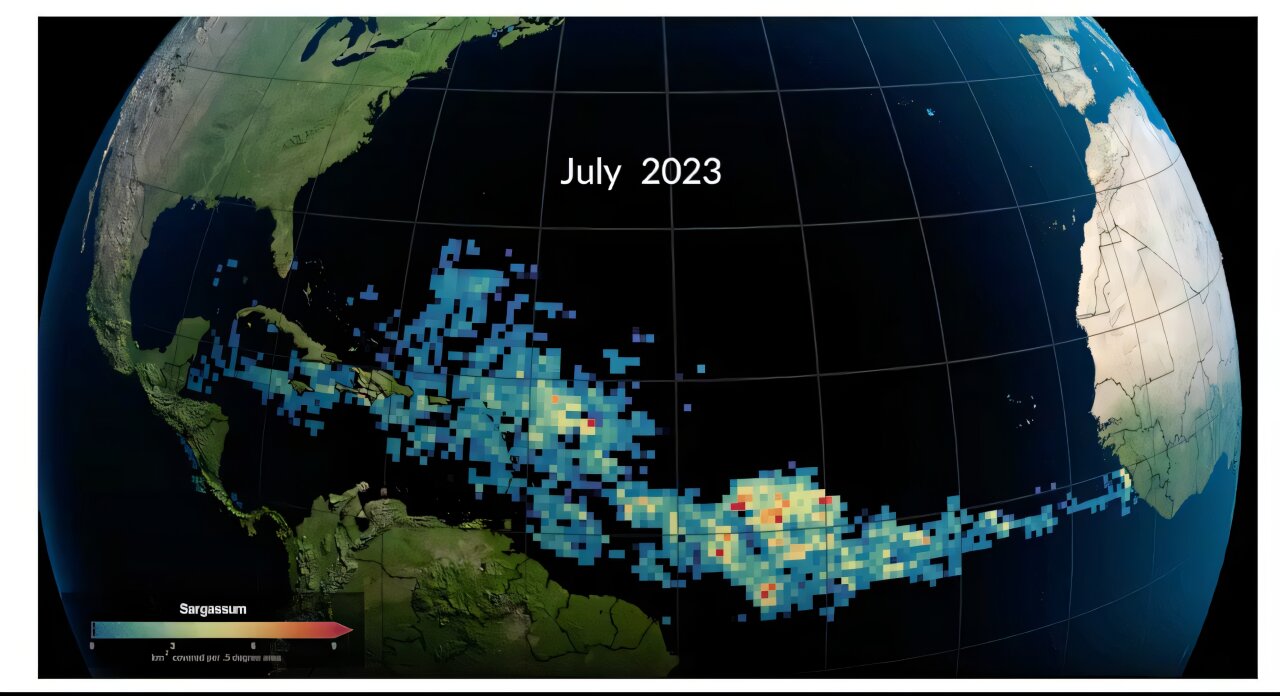
The scale of the problem has increased rapidly in recent years. Under favourable conditions, sargassum can grow extremely quickly. “Under these conditions, blooms can double in size in about 18 days,” says Pizaña-Alonso. Large quantities of seaweed can block harbours, disrupt fishing activities and create low-oxygen conditions that threaten marine ecosystems.
Coral reefs are particularly vulnerable. When large amounts of decomposing sargassum reach shallow coastal waters, they can reduce water quality and contribute to conditions that are harmful to reef-building corals. This is especially concerning in regions where tourism depends heavily on healthy marine environments.
However, researchers are also exploring whether the seaweed problem could become an opportunity. Sargassum is increasingly being studied as a possible resource within the blue economy, an approach that focuses on using ocean resources sustainably while protecting marine ecosystems.
Possible uses include producing biofuels, creating natural fertilisers and developing sustainable construction materials. In Barbados, researchers have explored ways to combine collected sargassum with wastewater from the rum industry to produce biofuel. In Mexico, scientists and entrepreneurs have tested construction products made partly from the seaweed.
Although completely preventing future blooms may be difficult, better forecasting could help destinations prepare for their arrival. Early warning systems could give coastal communities more time to organise clean-up efforts and protect tourism activities.
As scientists continue studying the Great Atlantic Sargassum Belt, the challenge will be finding ways to manage the growing amounts of seaweed while recognising its role in ocean ecosystems. What was once considered only a coastal nuisance may become both a challenge and a resource for the future of sustainable tourism.