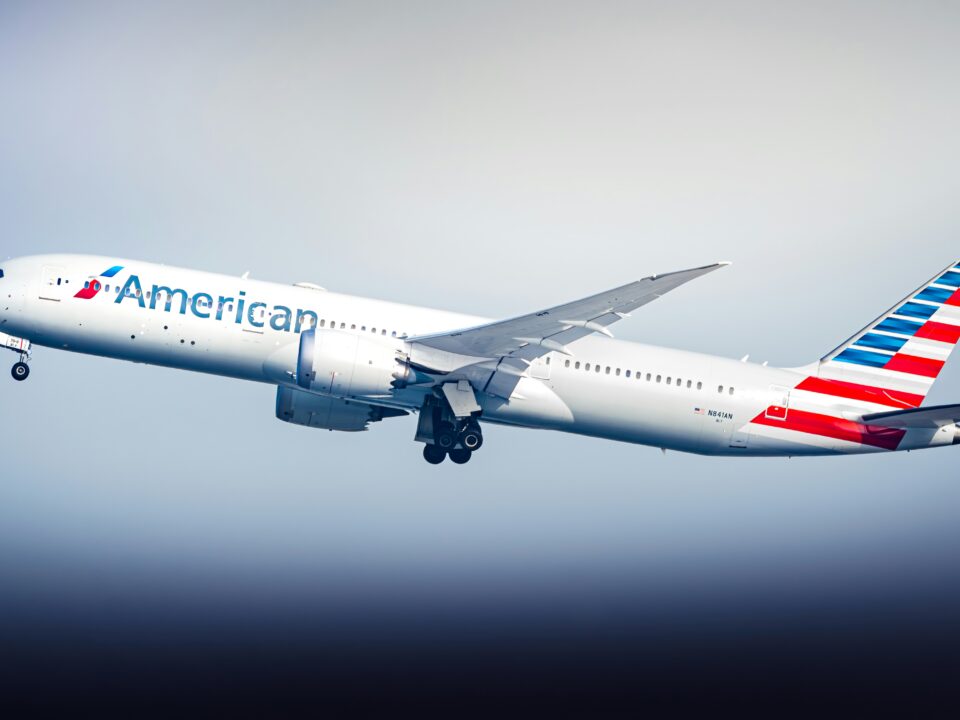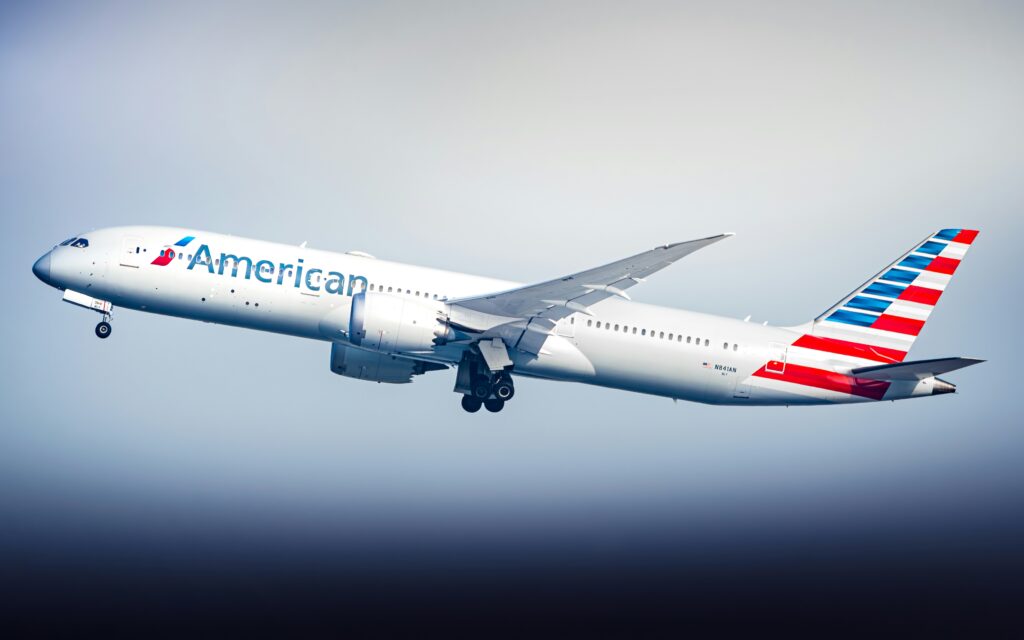


Travellers with American Airlines (AA) will no longer benefit from its 48-hour advance-purchase window for free cancellations, as the airline has cancelled this policy and reverted to the standard already followed by most other US carriers.
Until 29 July 2026, AA’s policy allowed passengers to cancel a ticket purchased as little as two days before departure and receive a full refund within 24 hours, one of the most flexible schemes in the industry.
Instead, it will now follow the US Department of Transportation’s (DOT) minimum legally mandated requirement, which only obliges airlines to offer a 24-hour refund window for tickets bought at least seven days before departure, a rule instituted in 2012.
The agency’s rules state that, for tickets purchased at least seven days before a flight’s departure, airlines must either “allow consumers to cancel their reservation and receive a full refund without a penalty for 24 hours” or “allow consumers to reserve a ticket (place it on hold) at the quoted price without paying for it for 24 hours”. Airlines are not required to offer both options to customers.
This change aligns American Airlines’ policies with those of JetBlue, Southwest and United, while making its refund policy stricter than Delta Air Lines’, which continues to offer greater flexibility for last-minute bookings.
“We also offer customers the ability to get a full refund if they purchase a ticket within 24 hours and booked at least seven days before departure,” AA said in a statement to CBS News.
Before the DOT rule came into effect, American Airlines had a 24-hour hold system, under which travellers could reserve a ticket at the quoted price for 24 hours without paying, rather than receiving a refund. This changed during the pandemic, when the airline began offering full refunds instead of simply holding tickets, in order to reassure hesitant flyers.
For tickets purchased less than seven days before travel, and therefore outside DOT protection, cash refunds will now be replaced by a travel credit. American will still issue travel credits for last-minute changes, but only for certain fare classes. Basic economy travellers are not eligible for a refund or a hold, as the fare is non-refundable and non-changeable.
American does allow AAdvantage members to cancel a basic economy ticket, but charges a $99 fee to recover the remaining value as credit. Non-members receive nothing.
Among low-cost carriers, Frontier allows free changes within 60 days, after which a fee of $99 applies. JetBlue, on the other hand, has a tiered fee schedule similar to American’s.
The pandemic prompted many airlines to adapt their policies in response to travel restrictions and to prevent the loss of market share. The leniency introduced then is now being rolled back as carriers look to recoup lost revenue. However, the leniency introduced then is now being phased out as carriers seek to recoup lost revenue. In August 2020, United eliminated change fees on standard economy and premium tickets, a move that American and Delta matched within 24 hours.
Travellers may also be able to mitigate the stricter refund policy by using the travel insurance included with some credit cards. Depending on the card and policy, cardholders may be reimbursed for the cost of a non-refundable ticket if they have to cancel their trip for a covered reason. However, this protection generally only applies to specific circumstances rather than a change of heart, so passengers should carefully weigh up the benefits of an insurance policy against the cost of purchasing a more flexible fare.