



Florence is opening Italy’s first specialised centre dedicated to preventing digital addiction among young people. The project, called “Discover – Out of the Shell”, aims to help children and young adults develop a healthier relationship with technology through education, support and community activities. The initiative is promoted by ASL Toscana Centro, the City of Florence and the Retesviluppo cooperative and will become operational after summer 2026.
The centre focuses on preventing the harmful use and abuse of digital technologies rather than restricting access through bans. According to the organisations behind the project, digital tools have become an essential part of young people’s daily lives, making it necessary to teach them how to use these platforms in a more conscious way. Florence’s Youth Policies Councillor Letizia Perini explains that technology itself is not the problem, but that young people need support in finding a balance.
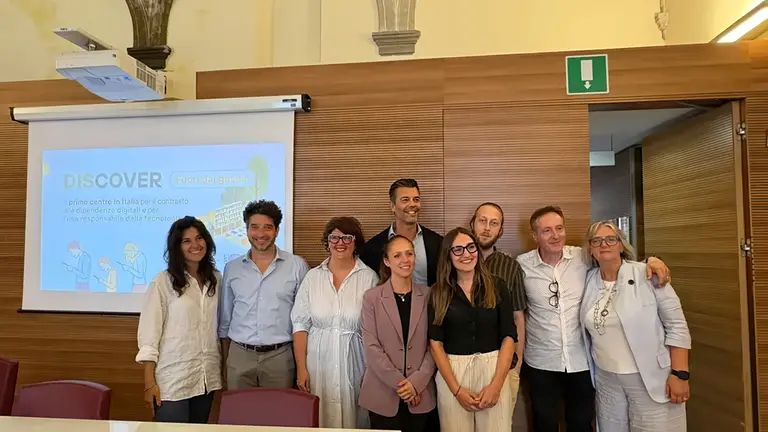
“Digital technologies are part of young people’s everyday lives and represent an extraordinary opportunity. Precisely for this reason we have a duty to support them in making increasingly conscious use of these tools, helping them to find a balance between the time spent online and the time devoted to relationships, sport, culture and shared experiences,” says Perini.
The Discover centre will welcome young people between the ages of 10 and 25 and will provide different types of support. The services will include guidance programmes, a listening desk and workshops focused on media education and social interaction. Activities will encourage young people to spend time away from screens through board games, manual activities, group work and other shared experiences.
The project will also involve the wider community by connecting schools, youth centres, sports clubs, libraries and local organisations. Parents and educators will be able to access the centre as well, as the initiative aims to create a wider network around young people’s digital habits. In more complex situations, such as social withdrawal, isolation or psychological difficulties, local health services will be able to provide additional support.
Ester Macrì, President of Retesviluppo, says the centre represents a different approach from the restrictions introduced in some other countries. “We will not simply be imposing bans, but an innovative approach based on two pillars: guided disconnection and the promotion of conscious use of technology, to turn young people from passive consumers into active protagonists of their time,” she explains.
The opening of the centre comes at a time when governments around the world are debating how to protect children from possible negative effects linked to excessive social media use. Australia became the first country to introduce a nationwide ban on social media for users under 16. The measure requires platforms such as TikTok, Instagram, Facebook and Snapchat to prevent underage users from creating or maintaining accounts.
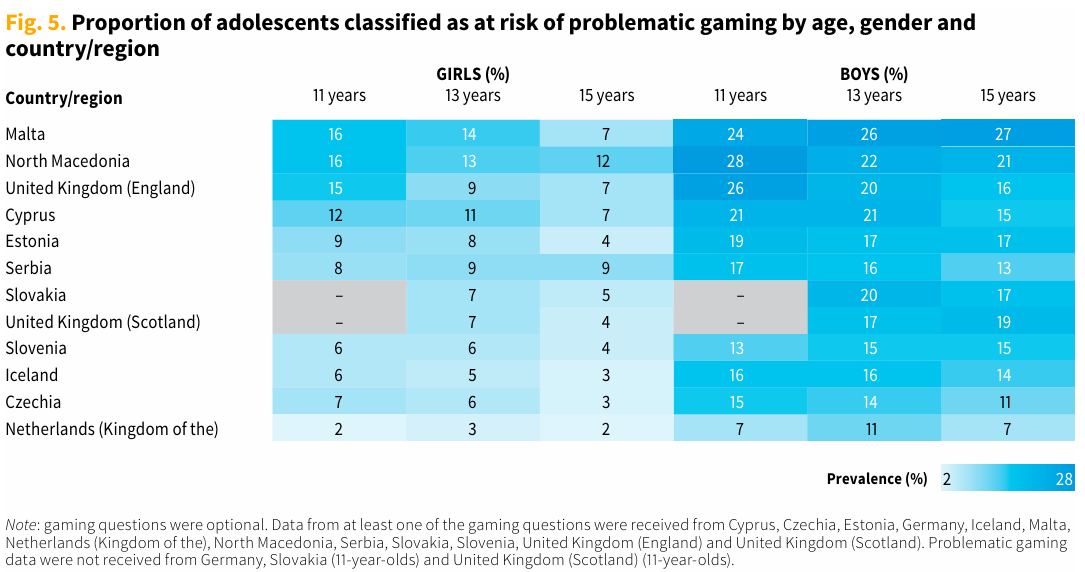
The Australian approach has sparked international debate about the role of governments in regulating children’s access to online platforms. Supporters argue that restrictions are needed to protect young people’s mental health and wellbeing, while critics have raised concerns about privacy, age verification and whether teenagers will find ways to bypass the rules.
France has followed a similar direction and approved legislation banning social media access for children under 15. The measure, which will be introduced in stages from 2026 to 2027, requires users to verify their age before accessing social media platforms. French authorities argue that stronger protections are needed because of growing concerns about the impact of digital platforms on children.
Italy has chosen a different path by focusing on prevention instead of prohibition. Rather than removing young people from online spaces, the Discover centre aims to give them the knowledge and support needed to navigate digital platforms responsibly. The project reflects a wider European discussion about how societies can protect younger generations while recognising that technology remains an important part of modern life.