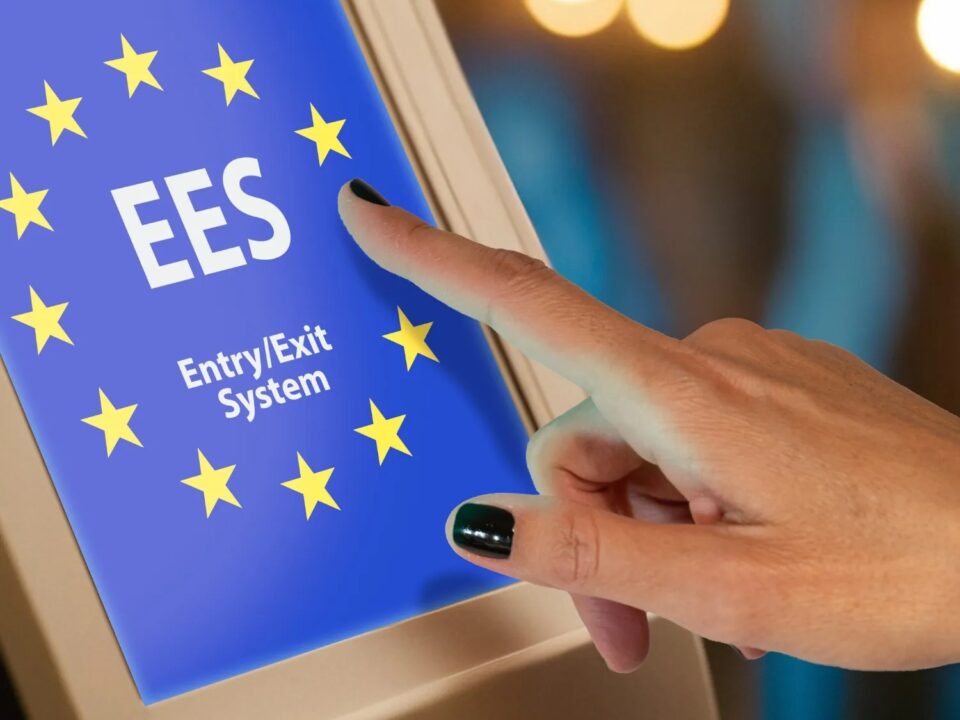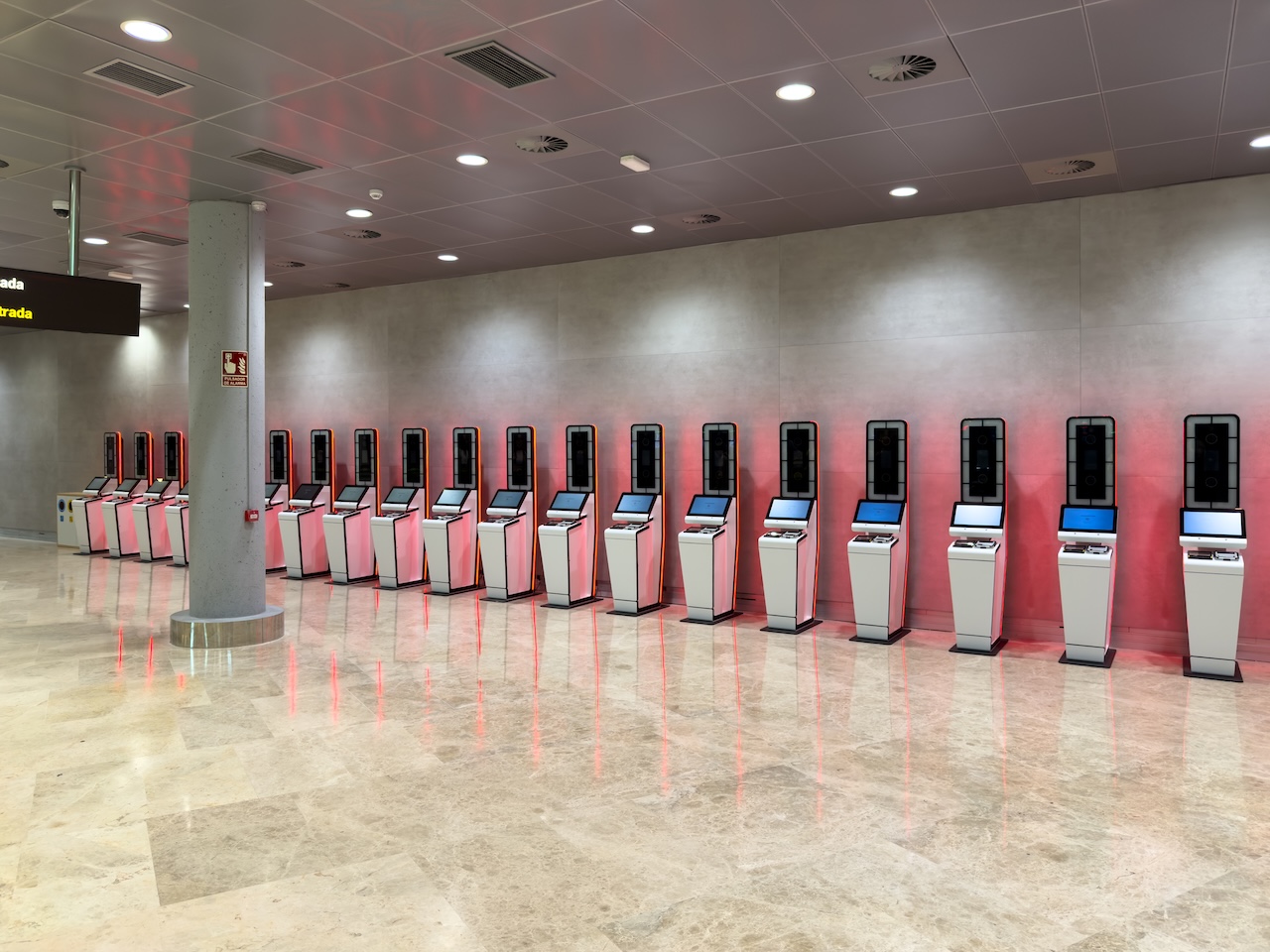



Nine European countries have called on the European Commission to extend emergency flexibility measures for the Entry/Exit System (EES), warning that the bloc is not yet ready to phase out safeguards designed to prevent long queues and disruption at its external borders.
In a joint letter dated 7 July and addressed to European Commissioner for Internal Affairs Magnus Brunner, Belgium, France, Germany, Greece, Italy, Malta, the Netherlands, Portugal and Switzerland reaffirm their support for the new biometric border system but argue that its first months of operation have exposed “significant difficulties” that should not be underestimated.
Nine countries seek to maintain emergency safeguards
The letter requests that the current partial suspension mechanism, due to expire on 6 September 2026, remain available beyond that date. The mechanism allows border authorities, in exceptional circumstances, to temporarily suspend the collection of travellers’ biometric data, including fingerprints and facial scans, while continuing to register all entries and exits from the Schengen Area.
“The scheduled end of the partial suspension mechanism on 6 September is a source of serious and legitimate concern, shared not only by several member states, irrespective of their level of preparedness, but also by the transport sector as a whole,” the ministers wrote.
They added that it was “essential” for member states to retain this capability beyond September. According to POLITICO, the signatories have also requested written guarantees from the European Commission confirming that the flexibility will remain available if required.
What they don’t tell you about the EES: it’s not just about tracking entries and exits. The system uses biometric data to help detect identity fraud. Here’s what happens. pic.twitter.com/mZpVJm4gU4
— Magnus Brunner (@magnusbrunner) July 8, 2026
Responding to the letter, European Commission spokesperson Markus Lammert welcomed the countries’ “explicit commitment” to the full implementation of the EES and the systematic registration of all non-EU travellers. He reiterated that the legislation already contains built-in flexibility measures and said the Commission remains in “close and constructive contact” with the “few member states” experiencing difficulties at certain border crossing points.
“There is a strong joint will to make the system work everywhere,” Lammert said, without indicating whether the current emergency measures would be extended beyond 6 September.
Aviation industry steps up pressure
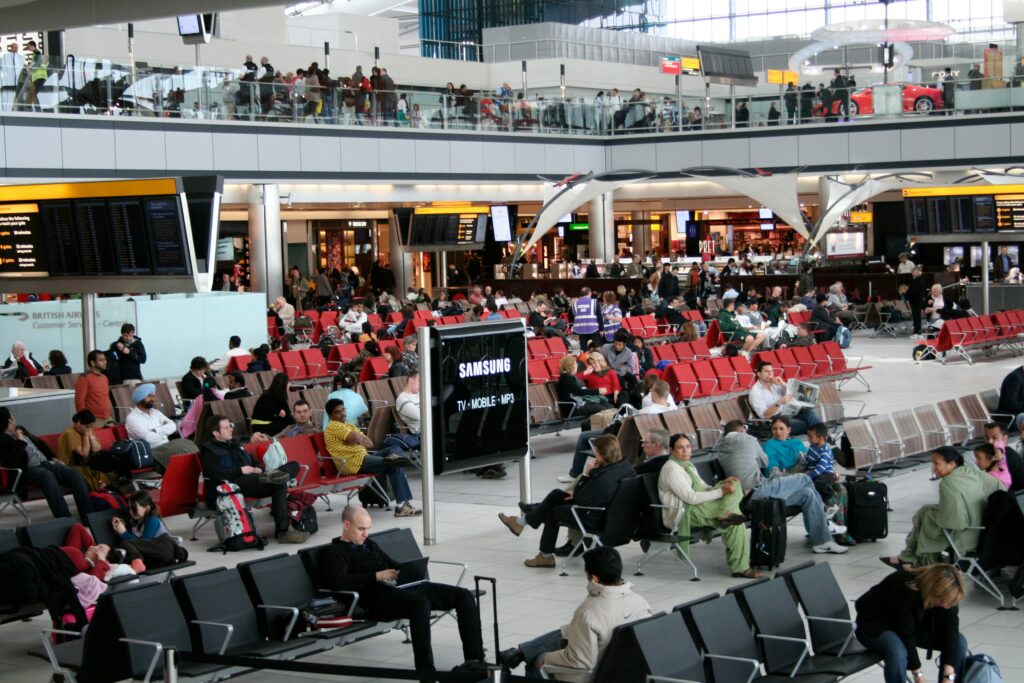
The latest intervention follows mounting criticism from airports, airlines and tourism organisations, which argue that the EES is already creating significant operational challenges during Europe’s busiest travel period.
As Travel Tomorrow reported earlier this month, Airports Council International (ACI) Europe, Airlines for Europe (A4E) and the International Air Transport Association (IATA) jointly urged the European Commission to introduce greater flexibility after reporting border delays of up to five hours at some airports. The organisations called for border authorities to be allowed to suspend biometric checks whenever passenger volumes exceed operational capacity, warning that prolonged queues risk disrupting flights, airport operations and the overall travel experience.
Securing EU borders since 12 October: our new Entry/Exit System. Member States have caught human traffickers, stopped potential terrorists, and uncovered fraud in unprecedented ways. All thanks to our new system that collects and matches biometric data at border crossing points. pic.twitter.com/21IS4Z8H5k
— Magnus Brunner (@magnusbrunner) July 6, 2026
The World Travel & Tourism Council (WTTC) also backed a more pragmatic rollout, recommending faster deployment of the Travel to Europe app for digital pre-registration, improved communication with travellers before departure and greater operational readiness at border crossings.
Budget airline Ryanair similarly called for the system’s implementation to be postponed until September, arguing that travellers should not be “used as guinea pigs” for a border control system that was not fully prepared for the peak summer season.
Airlines and airports warn of worsening disruption
Concerns have continued to grow in recent weeks. EasyJet chief executive Kenton Jarvis described the border queues caused by the new controls as “completely unacceptable”, arguing that authorities should make full use of the flexibility already available.
“Border authorities must make full use of the permitted flexibilities now, and if this cannot be done effectively, the system must be reviewed and those flexibilities extended beyond their September cliff edge, to ensure our customers do not continue being disrupted,” he said.
Alexander Zinell, chief executive of Fraport Greece, which operates 14 airports across the country, believes the current problems reveal more fundamental weaknesses in the system.
@hannahewhitlock The new EU entry system is screwing everyone over 🫠 #airport #airportcustoms #eu #europetravel #travel ♬ original sound – leah
Speaking to the Financial Times, Zinell said airports had been forced to install gazebos to shield passengers waiting in lengthy queues from the summer heat, while vulnerable travellers were being prioritised to reduce health risks. “It is very unpleasant for passengers, and even dangerous,” he said.
According to Zinell, the emergency suspension mechanism is the only reason the system has continued to function during periods of heavy demand.
“These are just temporary fixes,” he said. “The system needs to be overhauled. It needs a new version, an update, and probably a reconfiguration in order to allow people to register before they fly, before they get on a plane, before they go to the airport.”
A critical summer for the EES
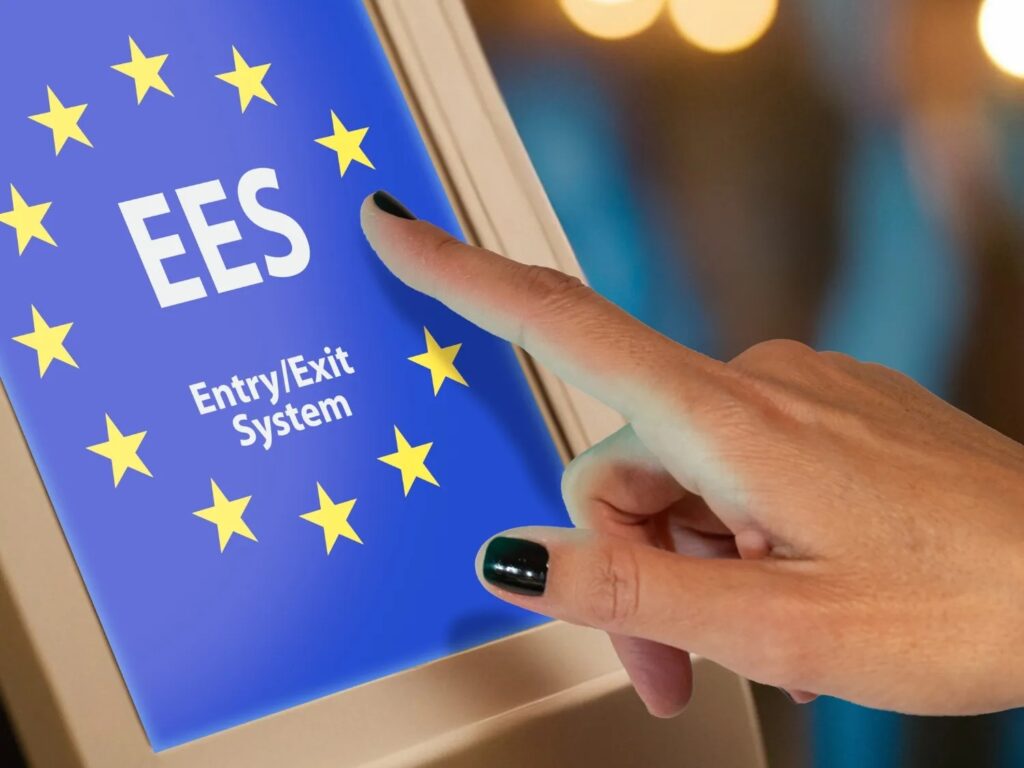
The Entry/Exit System officially entered into operation on 10 April 2026, replacing manual passport stamping with the electronic registration of non-EU nationals entering or leaving the Schengen Area. The system records biometric information, including fingerprints and facial images, for travellers staying in the Schengen Area for up to 90 days within any 180-day period.
While the European Commission maintains that the impact has remained limited across most border crossing points and continues to work with member states facing operational challenges, governments and transport operators argue that further improvements are needed before the emergency safeguards can safely be withdrawn. With the current flexibility mechanism due to expire in less than two months, pressure is mounting on Brussels to decide whether temporary measures should become a longer-term feature of the system.