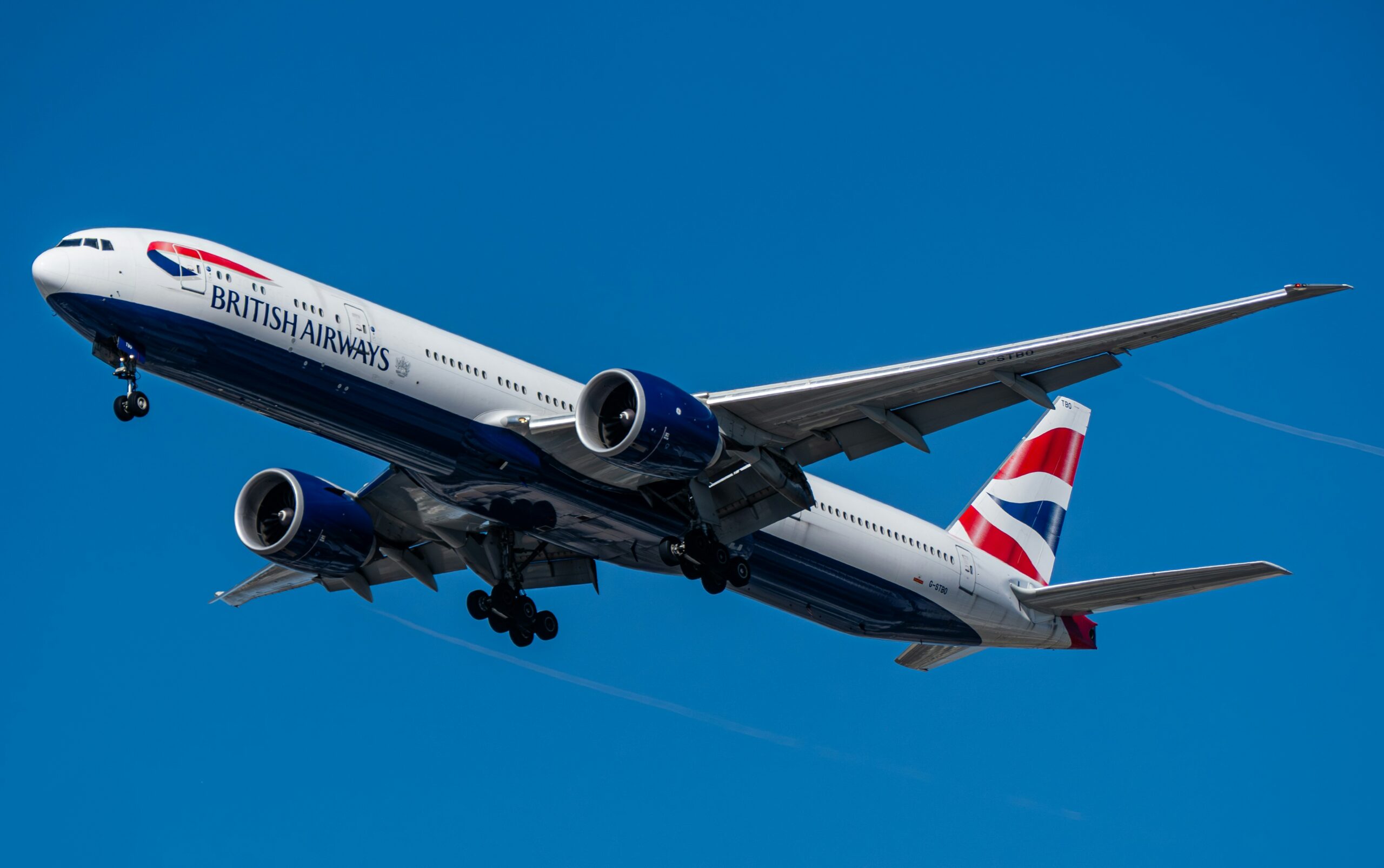


British Airways has updated its staff rest policy to allow cabin crew to sleep in empty first- and business-class seats during some long-haul flights.
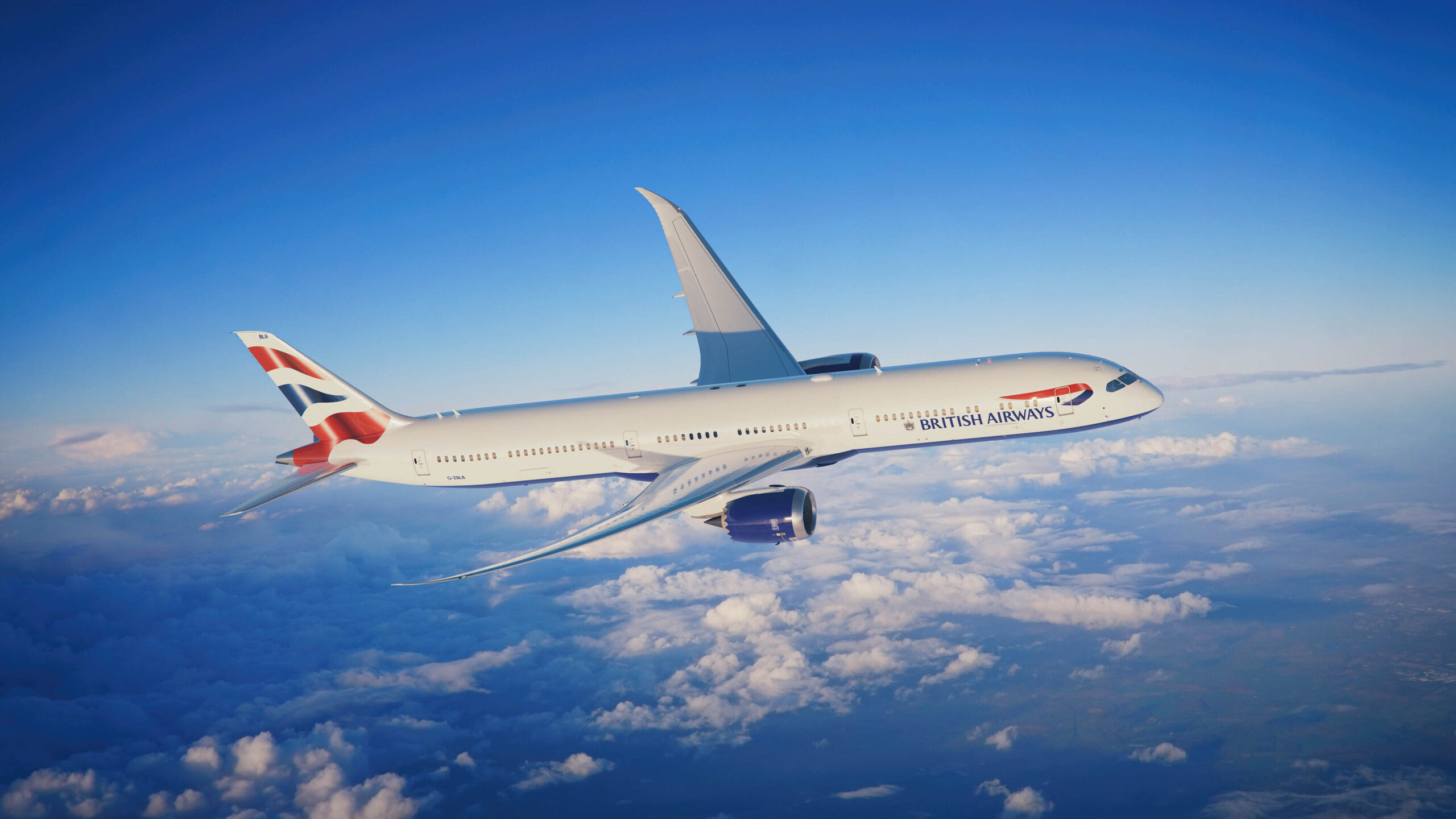
The policy applies to a small number of aircraft in the airline’s long-haul fleet, including Boeing 787-10 Dreamliners and some Boeing 777-200ERs that were delivered without crew bunk compartments. Until now, cabin crew operating these aircraft took their scheduled rest breaks in curtained-off jump seats located in the galley.
The change follows discussions between British Airways and the cabin crew union BASSA. According to the airline, crew members will only be permitted to use passenger seats that remain unoccupied after boarding, and no paying customer will be moved to accommodate staff.
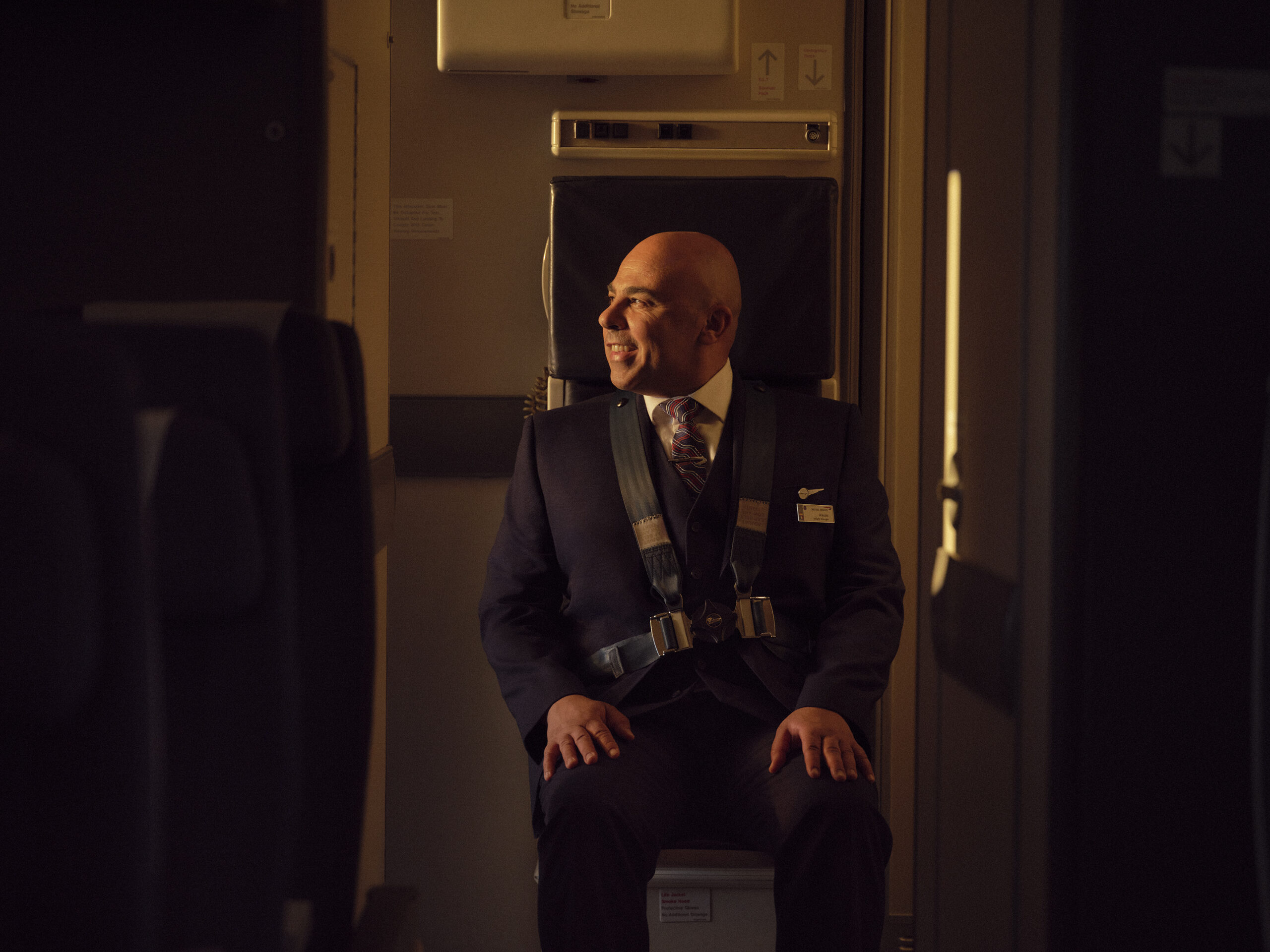
A British Airways spokesperson told Simple Flying: “This small change will help ensure our crew colleagues are rested during long-haul flights so they can focus on delivering the premium level of customer service they are renowned for.»
According to a post on Flyer Talk, the new guidance also instructs crew members to use bedding provided for that cabin and to remove or cover visible uniform items while resting.
Dedicated crew rest facilities are common on many long-haul aircraft, but they are optional equipment that airlines can choose not to install. British Airways’ Boeing 787-10 fleet and some of its 777-200ER aircraft were configured without bunks, leaving cabin crew to rest in designated galley seats during scheduled breaks.
The revised policy has prompted discussion among frequent flyers and aviation observers. Some noticed that it will be surprising to see crew sleeping or taking formal breaks in the same cabin, while others have welcomed the decision as a practical way to improve crew welfare on flights where no proper rest facilities exist.
“I can’t see an issue with them doing it, the potential problem I see is passengers thinking it’s ok to disturb them if they want something,” one user on the forum commented.
British Airways is also working on a longer-term solution. The airline plans to introduce a “soft block” on selected Economy seats on some Boeing 777s and Boeing 787-10s, reserving them for cabin crew rest when flights are not fully booked. Unlike permanently blocked seats, these seats would remain available for sale and would only be allocated to crew if they remain unoccupied after boarding. According to FlyerTalk Forums, British Airways’ booking systems have yet to be updated to support the new arrangement.
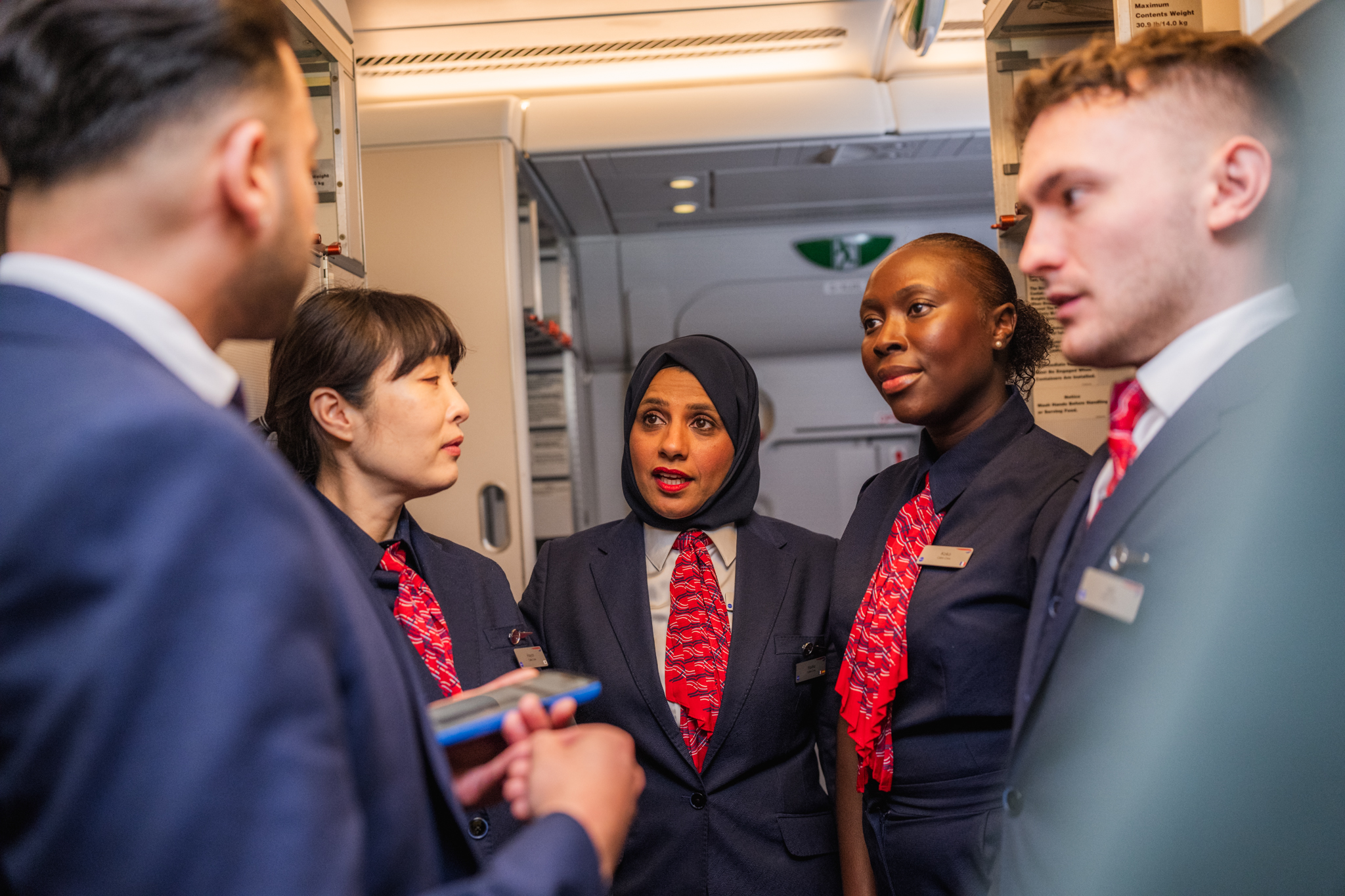
Under UK flight time limitation rules, which were retained from European Union aviation regulations after Brexit, airlines operating long-haul services must provide approved onboard rest facilities for crew. Depending on the planned duty period and fatigue management requirements, these may range from reclining seats to dedicated bunk areas, with the type of facility determined by the length of the operation and regulatory standards.
The new initiative does not alter passenger seating arrangements, as empty premium seats will only be used if they remain unsold and unoccupied after departure. The measure is intended to provide a more suitable rest environment for cabin crew while maintaining normal service for customers.